
People Who Rarely Waste Money On Food Usually Keep These 6 Things In Their Pantry
 VH-studio | Shutterstock
 Food prices have climbed steadily over the past few years, making grocery shopping feel more expensive than ever. While it's tempting to believe that saving money comes from clipping coupons, people who consistently spend less on groceries rely on a much simpler strategy: a stocked pantry.
Instead of constantly buying ingredients for one specific recipe, they build their pantry around foods that can be used in dozens of different ways. These shelf-stable staples help prevent food from spoiling and make it easier to throw together meals on busy nights. No pantry can eliminate food waste entirely, but keeping a few flexible ingredients on hand can make meal planning far less stressful.
People who keep these items in their pantry rarely waste money on food:
1. Rice
 Timur Weber | Pexels
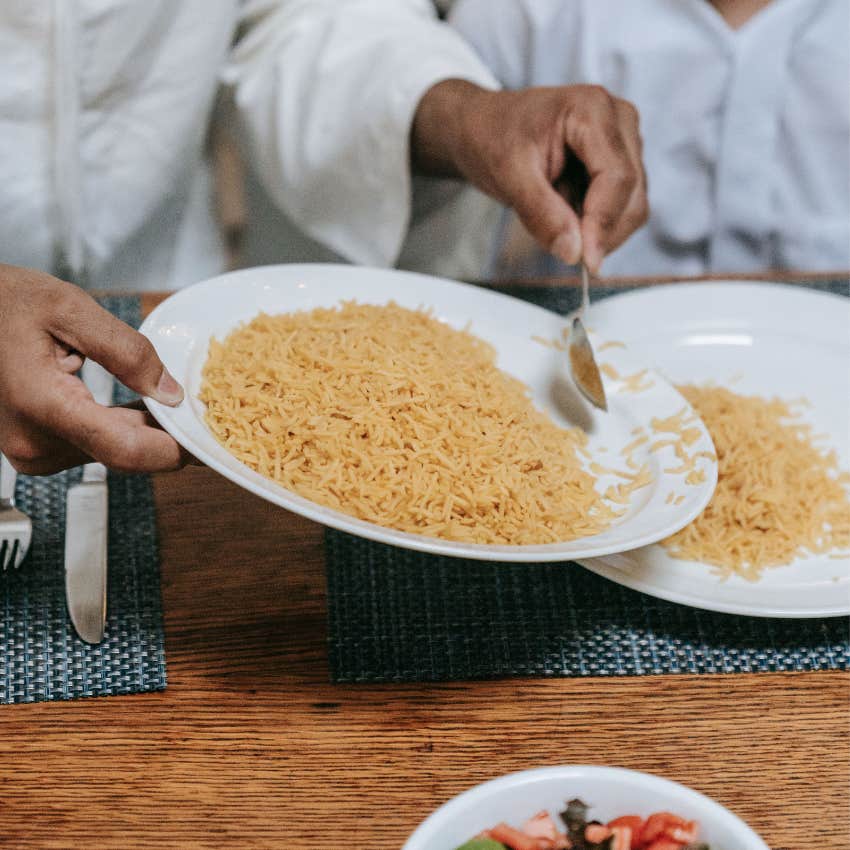
Rice is one of the most versatile foods you can keep in your pantry. It lasts for months when stored properly and costs relatively little per serving. It also pairs with almost any protein or vegetable. Whether you're making stir-fry, soup, burrito bowls, fried rice, or simple side dishes, rice can quickly stretch leftovers into an entirely new meal. It pairs well with a variety of dishes, so no matter your background, you can still enjoy it.
It's also a good backup for nights when the refrigerator looks nearly empty. Even a few leftover vegetables or a small amount of chicken can become a satisfying dinner when served over rice. Sometimes all it takes is a fried egg, a drizzle of soy sauce, or a few spices to turn what looks like not enough food into a complete meal. Because it works with so many cuisines and ingredients, rice rarely goes to waste, helping prevent other foods from being thrown away.
Rice is an excellent, gluten-free source of complex carbohydrates, which provide steady, long-lasting energy. Varieties like brown or black rice are packed with fiber, B vitamins, and powerful antioxidants, while white rice is easy on the stomach.
2. Canned beans
Beans are inexpensive and very filling, while offering good fiber for health. Black beans, kidney beans, chickpeas, cannellini beans, and pinto beans can all be added to soups, salads, tacos, pasta dishes, grain bowls, casseroles, and homemade dips.
Unlike fresh ingredients that spoil within days, canned beans patiently wait until you need them. They're especially helpful during weeks when grocery shopping gets delayed or when you're trying to use up vegetables before they expire. Adding beans instantly makes many meals more filling while increasing protein and fiber.
They're also one of the easiest ways to stretch a recipe without anyone feeling like they're eating less. They're among the easiest ways to create affordable meals without sacrificing nutrition, and, depending on how you use them, you sometimes won't even notice they're in your food. Once you get into the habit of keeping a few cans in the pantry, you'll probably find yourself reaching for them far more often than you expected.
3. Pasta
 Katerina Holmes | Pexels
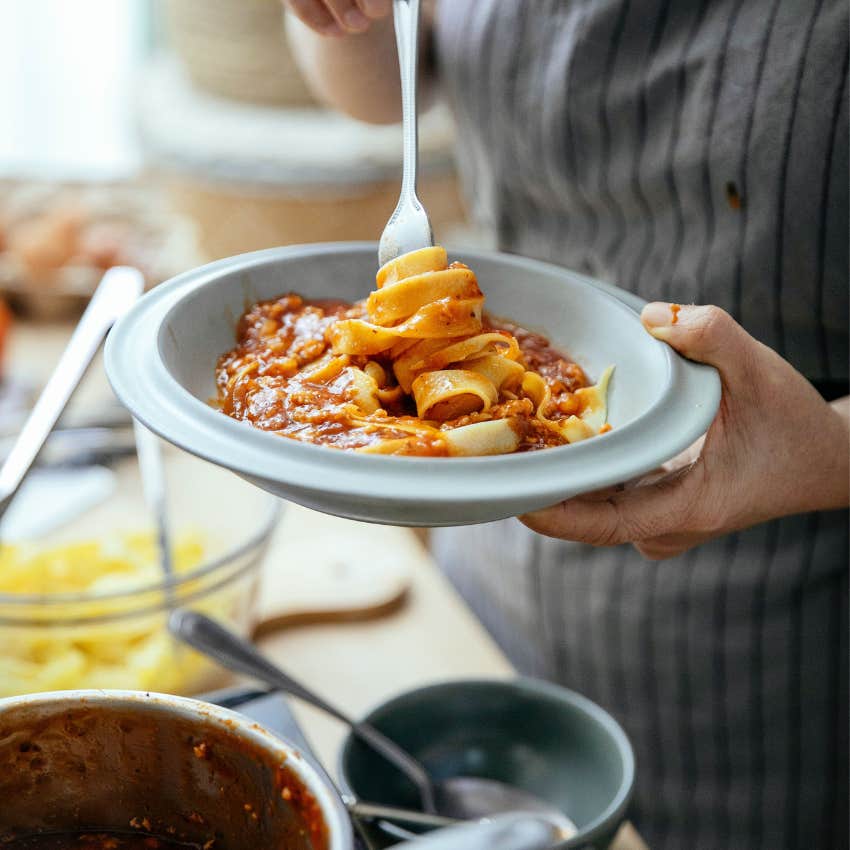
Dried pasta stores well, cooks quickly, is filling, and works with ingredients people often already have at home. A little olive oil, garlic, canned tomatoes, frozen vegetables, cheese, or leftover chicken can easily become dinner. Pasta also helps rescue small amounts of leftover food that might otherwise be discarded.
Instead of throwing away half a handful of spinach or the last few mushrooms, use them to make a simple pasta dish. Even odds and ends from the refrigerator that don't seem like enough for a meal on their own often come together surprisingly well over pasta.
Because of the carbs, you don't actually have to eat so much to feel full. Versatility is one of the biggest reasons pasta remains a pantry favorite for budget-conscious households. It's comforting and affordable, making it much easier to cook with what you already have instead of feeling like you need every ingredient in a recipe.
4. Canned tomatoes
Canned tomatoes can become pasta sauce, chili, soup, curry, shakshuka, casseroles, or homemade pizza sauce with just a few additional ingredients. Unlike fresh tomatoes, they won't spoil before you have a chance to use them. Keeping crushed/ diced tomatoes or tomato sauce on hand means you're rarely starting a meal completely from scratch.
Canned tomatoes also offer excellent heart and immune support. The canning and heating process breaks down plant cell walls, making their rich antioxidant content significantly easier for your body to absorb compared to fresh tomatoes.
They're especially helpful on busy nights when you want something homemade but don't have time for a complicated recipe. Because they're affordable and useful in so many recipes, canned tomatoes often become one of the hardest-working ingredients in the pantry.
5. Oats
Oats are much more versatile than many people realize. Of course, they make a quick breakfast, but they also work in overnight oats, smoothies, homemade granola, energy bites, muffins, pancakes, cookies, and even meatloaf as a binder. They're inexpensive, filling, and have an exceptionally long shelf life.
Having oats available also reduces the temptation to buy expensive convenience breakfasts or pastries during busy mornings. They can also be customized with whatever you have on hand, from fresh fruit and cinnamon to peanut butter or yogurt, so breakfast never has to feel repetitive. A pantry staple that works for both sweet and savory recipes tends to earn its space, and oats do exactly that.
They're affordable, reliable, and surprisingly useful for far more than a simple bowl of oatmeal. Oats are exceptionally good for you because they are a nutrient-dense whole grain packed with a special soluble fiber called beta-glucan. This compound slows digestion, helps stabilize blood sugar, and actively lowers bad LDL cholesterol to protect your heart.
6. Basic seasonings and cooking oils
 Dapur Melodi | Pexels
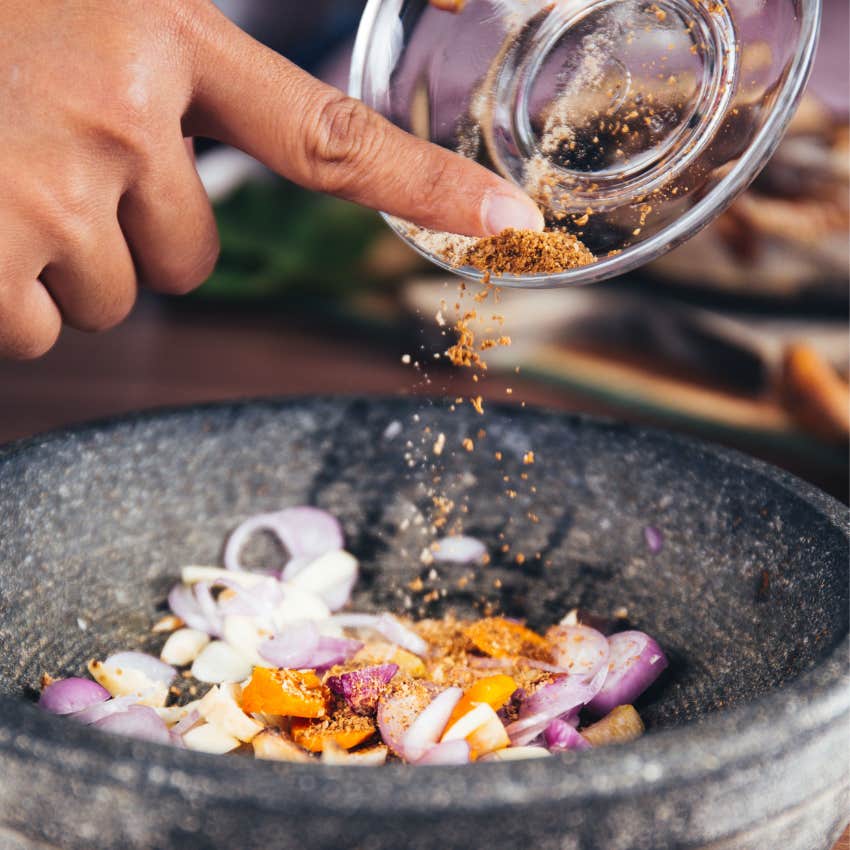
Even the best ingredients can taste bland without seasoning. People who waste less money on food often keep simple essentials like salt, black pepper, garlic powder, onion powder, Italian seasoning, paprika, olive oil, and a neutral cooking oil stocked at all times.
These basics make it easier to transform simple pantry ingredients into meals that actually taste satisfying. A pinch of seasoning can completely change a dish, making leftovers feel fresh instead of repetitive. Seasonings also help breathe new life into leftovers, making yesterday's dinner feel different enough to enjoy again rather than throw it away. Rotating spices and herbs can make the same ingredients taste completely different, which helps prevent food fatigue.
MeShanda Deason is a writer with a BFA in Creative Writing from Stephen F. Austin State University and minors in Business Communication and Literature who covers storytelling, culture, identity, and human connection across editorial, journalism, and marketing spaces.
