
Kids Raised In The 70s And 80s Learned 5 Kinds Of Tough Love That Help Explain Why They’re So Resilient Today
 Yellowsarah | Canva
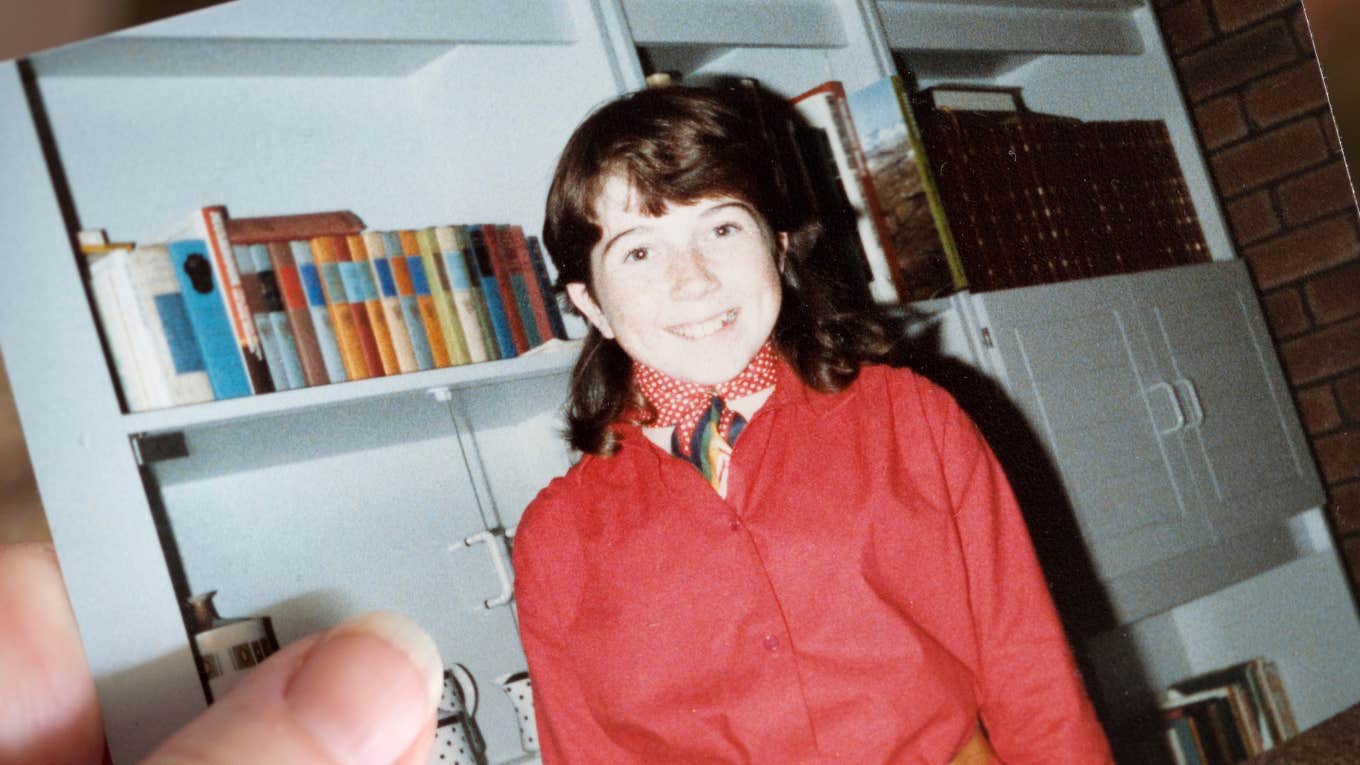
 We grew up in the 1970s and 1980s, a weird, unrepeatable window of time. We were free-range kids before free-range became a buzzword. We were chickens running amok while the sun was up: no fences, no trackers, and no one counting the eggs.
This free-range childhood meant long afternoons without screens or structure. It meant hose water, sunburnt shoulders, and dirt under our nails. It meant bikes dumped on lawns we didn’t own. At 12, I could crosstown on my bike without anyone knowing where I was, and that was considered normal. It felt endless and ordinary in the way only good things are.
Time has a way of clarifying what matters: We had no idea how rare our childhood was, and something is fascinating about people who grew up in the 70s and 80s.
Kids raised in the 70s and 80s made something out of nothing. It usually started with a parental warning: Find something to do, or I’ll find something for you to do. We understood the stakes.
If we dared say the words 'I’m bored,' we’d suddenly be folding laundry, washing dishes, sweeping floors, or “helping” in ways no child ever volunteered for. So we quickly learned that boredom was not something you announced to your parents.
Kids who grew up in the 70s and 80s solved our own problems. No one scheduled us after-school sports or handed us activities. Our mothers didn’t organize playdates. We had to invent entire afternoons from scratch.
We devoured Golden Books, built Lego and mud castles, rode our bikes for hours, and disappeared into our own creations. We learned how to create meaning out of thin air because it was necessary.
That all benefited us: Research on unstructured childhood play suggests that kids who are left to self-organize develop stronger executive function and creativity, along with better problem-solving skills.
This explains why kids raised in the 70s and 80s are so resilient and creative, and why, as adults, we can solve our own problems, and we don’t freeze when no one tells us what to do next.
Kids raised in the 70s and 80s learned 5 kinds of tough love that help explain why they're so resilient:
1. We were free to take our own chances
 Getty Images / Unsplash+
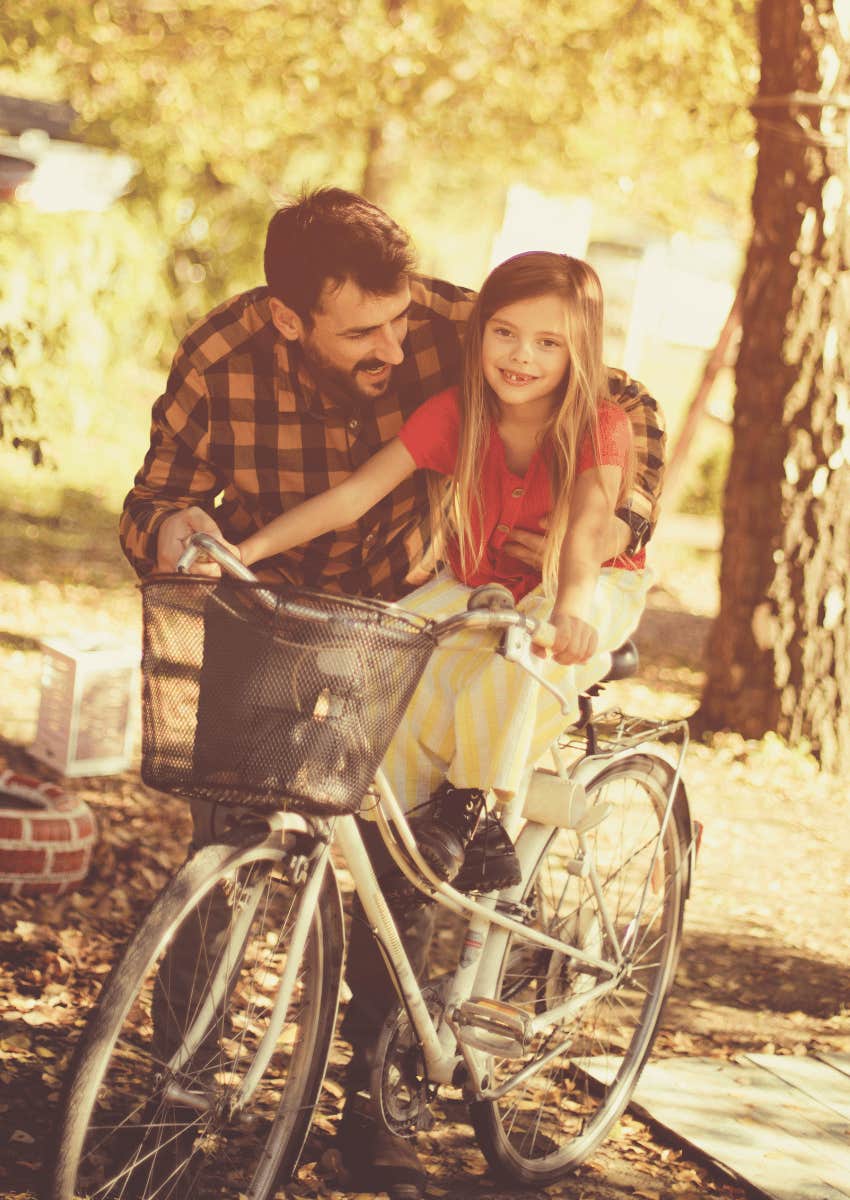
We grew up climbing trees that were definitely too high. We launched ourselves off bluffs into water of questionable depth, rode bikes without helmets, threw rocks, and set things on fire. And yes, we played with fireworks; that was our version of the internet.
I still remember being about seven, crouched over the path with my little brother, smacking Throw Downs or Thunder Snaps, against the concrete just to watch them detonate at our feet.
No helicopter parents. No warnings scrolling across a screen. Fireworks were eventually banned here after kids lost eyes and limbs. But before that, we learned something firsthand: where the edge of risk was.
Every scraped knee, broken bone, close call, and minor disaster taught our nervous systems something critical: Research in developmental psychology suggests that children who experience physical risk in play develop better threat assessment and a lower baseline of anxiety later in life.
Our brains learned the difference between actual danger and manageable risk by living it, not by having an adult step in too early to save the day. We earned scars that still come with a wild story, and that’s why kids raised in the 70s and 80s tend to walk into any crisis and start solving it while everyone else loses their minds.
2. Kids raised in the 70s and 80s were left alone with their own thoughts
 Paige Cody / Unsplash
Most Gen-Z folks will never understand the comfort of solitude. We do. We spent hours alone in our rooms, sprawled across the bed, listening to a new album from start to finish. We lingered over the radio with a cassette poised, trying to record our favourite songs without the DJ talking over the intro.
I remember sitting absolutely still, finger pressed lightly over the record button, heart racing as the first notes came through the static, cursing bloody murder if I missed a beat. We lay on the grass with friends doing nothing in particular, and just as often, we explored our world alone.
We weren’t lonely. Research has since shown how uncomfortable that kind of mental space has become for many people. In a well-known study, participants were asked to sit alone with their thoughts for up to 15 minutes. A surprising number chose to give themselves mild electric shocks rather than remain in silence.
To most kids raised in the 70s and 80s, this sounds ridiculous: electric shocks over silence?! We learned early to value time alone with our own musings, the beautiful, wonderful sound of nothing. We thought, we day-dreamed, we processed. One thing we didn't do? Scroll.
3. We were told to make something out of nothing
While no single study directly compares generations, a growing body of research suggests that older adults tend to be less restless and less anxious than our younger cohorts raised in a world of constant digital stimulation.
We grew up before every quiet moment was colonized by noise, and because of that, we learned something modern life keeps lying to us about: boredom isn’t a state of emergency. It’s why we can still wait in long lines without blowing a gasket, and why we don’t fear awkward silence or freak out if we leave our headphones at home for a long commute and we're forced to sit with our own thoughts.
4. Kids raised in the 70s and 80s had to wait for things
Having to wait for things (and the lack of instant gratification that came with that) probably changed us in ways we don't even notice. There was no binge-watching in the 70s and early 80s. We waited for our favorite show once a week, and that was only if it made it to air. Three free-to-air channels. That’s it. If the news ran long or the football game went into extra time, forget it.
Dad had the final say on the tellie, and whatever he wanted to watch took priority. We learned early that wanting something didn’t mean you got it. We took photos on rolls of film, dropped them off at the pharmacy, and waited days — days, people! — to see if they’d turned out. No previews, edits, or do-overs.
We memorized phone numbers and rang people on the fly, hoping they’d be home. If they weren’t, you tried again later or tomorrow, and that benefited our generation: Research into delayed gratification and self-control suggests that learning to wait and to tolerate frustration without immediate reward is linked to better impulse control and emotional regulation.
That's why instant gratification rarely satisfies a 70s or 80s kid the way it does younger generations. We’re calibrated differently. We know that most things worth having take time, and we’re comfortable with that.
5. We were trusted to just figure it out
 Leire Cavia / Unsplash+
We left the house in the morning with one rule: Be home before the streetlights come on.
That was it. There were no check-ins. No location tracking. No one checking our every move. On American television, somewhere around 10:00 at night, a public service announcement would roll across the screen: Do you know where your children are?
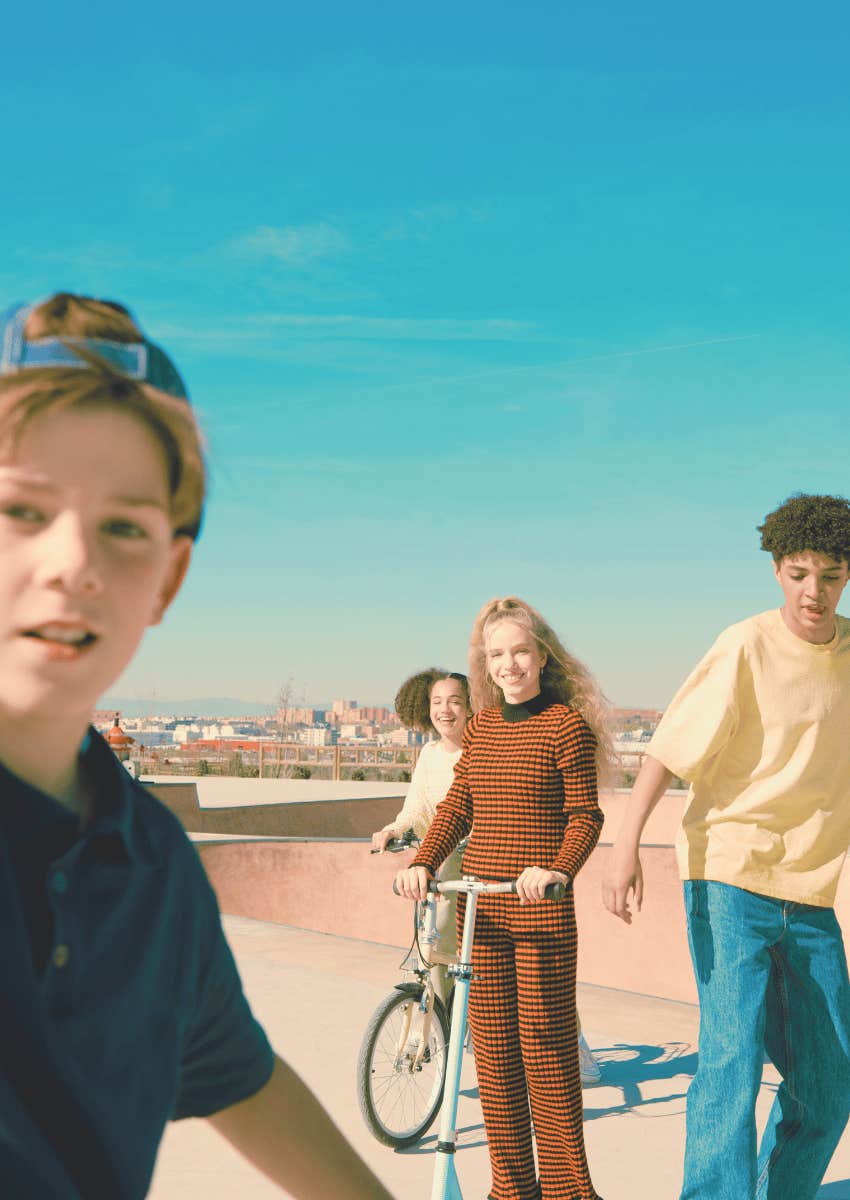
It was a prompt to parents to take stock, and most days, the answer was assumed. Nobody knew exactly where we were or what we were up to. We rode our bikes or skated to creeks a mile out of town, played in the bush, or drifted through neighborhoods far from home. If a stranger offered a sandwich or a drink, we’d likely accept it without a second thought. That would trigger a police report today.
My brother and I packed our own lunches and got ourselves to and from school. We even let ourselves into the house in the afternoons and fed ourselves cereal before Mom got home from work. There was no supervision, but there was expectation. We were trusted to manage, and if we messed it up, we dealt with the consequences.
We had to assess situations and course-correct in real time without an adult stepping in. Our parents weren’t our friends; they were the authority, and they trusted us to be competent. That’s why kids raised in the 70s and 80s can think critically without constant guidance or validation.
We survived a childhood that would raise eyebrows and probably a few reports today, but it didn’t break us. For a brief moment in human history, childhood was loose and subtly instructive. We were the free-range kids of the 80s and 80s, laying our eggs wherever we saw fit.
Kim Petersen is a USA Today bestselling author who writes about relationships, culture, and midlife insight. Her work explores independence, emotional maturity, and the psychology of connection.
