
I Took The ‘Struggling Millennial’ Test And 7 Signs Hit A Little Too Close To Home
 HelgaQ | Shutterstock
 Millennials are a strange bunch. On paper, we don’t have much to complain about. Yes, 9/11 happened. The War on Terror. The 2008 crash. The slow death of the planet. The internet is melting everyone’s brains. But honestly? I think those things happened to everyone else, too. So what really makes millennials so very millennial?
At first, the idea of a 'struggling millennial' test sounds like a joke, the kind of Internet quiz you take for a quick laugh, but as I started making this list, a few of the signs felt a little too familiar.
Somewhere between student loans, unstable career paths, and the strange pressure of adulthood that never quite looks like what we were promised, the test began to feel less like satire and more like an uncomfortable mirror.
I took the struggling millennial test, and seven signs hit a little too close to home:
1. Struggling millennials rent until they buy a plot of land for their trailer
Our version of the house with the white picket fence turned out to be a rented apartment with a landlord called Declan, who demands $3K up front because the last group of renters did something insane like treat the apartment like a home, not a showroom.
This is a strange one because it doesn’t even matter if you have a high-paying job or not. Of course, it’s worse when you’re brokem but it’s even more depressing when you’re broke and the people your age who make more money than you are struggling, too.
In the past, the dream was to buy a house. Then it became buying an apartment. Then it became buying a tiny house. Then a trailer. Then “maybe I can inherit a shed.”
Now it’s: I’m in a decent position, and by “decent” I mean my 20-year dream is to buy a small plot of land in Turkey and hope there’s groundwater. It’s incredible how quickly we went from “starter home” to “I hope Asia Minor doesn’t run out of water.”
2. Struggling millennials were raised to be international, and now everyone holds it against them
 AndII lemelyanenko / iStock
Before the crash, we were trained to be European in a fun way. Cheap €20 flights. Freedom of movement. “Go experience culture.” Berlin for the weekend. Barcelona for the craic. Paris, so you can take a photo of a croissant and feel superior even though everyone else was doing the same thing.
Our parents encouraged it. They loved it. And then the crash hit, and suddenly a lot of us did what we were trained to do: we went abroad to find work.
We moved. We built lives. We married foreigners. We got used to different food. Different ways of living. And then our families did the funniest thing imaginable:
- “When are you coming home properly?”
- “Are you only there because it’s cheap?”
- “Sure, you could get a job at home if you really wanted.”
- “I know you built a career and a life there, but why don’t you come home to bad weather and live in the attic?”
As if we weren’t raised on the gospel of Get Out There. They wanted us to travel the way you travel in an ad: come back with a fridge magnet and a tan, not a spouse and a new accent. They wanted the story, not the consequence. Or maybe they wanted us to come back with money.
3. Struggling millennials have hobbies that are often just coping mechanisms
Our parents had hobbies. We have systems. I only go for walks so I have something to do. I literally just walk around the park in circles for an hour, so I hit my steps.
I go to the gym to listen to anti-anxiety podcasts, so I don’t get health anxiety at the gym, which I’m only going to because my health anxiety gets worse if I don’t go to the gym.
I do not read; I listen to books about how to be less messed up. I do not go out for a drink. I do, but I label it as a relapse. And even when we relax, we can’t relax normally. We relax in the millennial way — with guilt, apps, and a wearable device tracking the relaxation.
My wife got me a smartwatch for my birthday. It told me my oxygen level was 99% and that I stopped breathing for three seconds when I was asleep. I freaked out, went to therapy, and got my heart checked.
4. Struggling millennials are permanently tired, but also constantly told they're lazy
 Getty Images / Unsplash+
This is the defining millennial paradox. We grew up being told:
- Work hard, and you’ll be fine
- Get educated, and you’ll be fine
- Be flexible, and you’ll be fine,
- Hustle and you’ll be fine.
So we became flexible. We became so flexible that we turned into jelly. We moved countries, switched careers, and adapted to new platforms every six months. We “pivoted.” We “rebranded.” We “upskilled.”
And still, we’re treated like we’re failing because we’re not hitting the same milestones at the same ages as our parents did in an era when a man could buy a house by winking at a bank manager.
In the last ten years, I have been a teacher, a writer, a recruitment representative, an AI recruitment representative, the person who trains AI for recruitment technology, and the person who wraps gifts at the pharmacy every Christmas. Still, I’m saving for a plot of land in Asia Minor.
5. Struggling millennials have side hustles that are just second jobs with better branding
In my desperate attempt to unlock the holy grail of passive income, I now have a TikTok where I tell people about my hobbies in the hope that I unlock monetization.
In fact, passive income is no longer seen by us as passive income, but more like social security payments. A dystopian universal basic income you have to dance for. We also don’t have any solid plans. Just stuff in the pipeline.
You tell people you’re “building something” and they nod politely the way people nod when a man says he’s writing a book. I’m also writing a book about my struggle, but I keep stopping because I’m too self-aware of my whiteness and feel like a fraud — yet it’s the struggle I endured that defines me.
6. Struggling millennials have new mysterious body pain every week
 Andrej Lišakov / Unsplash+
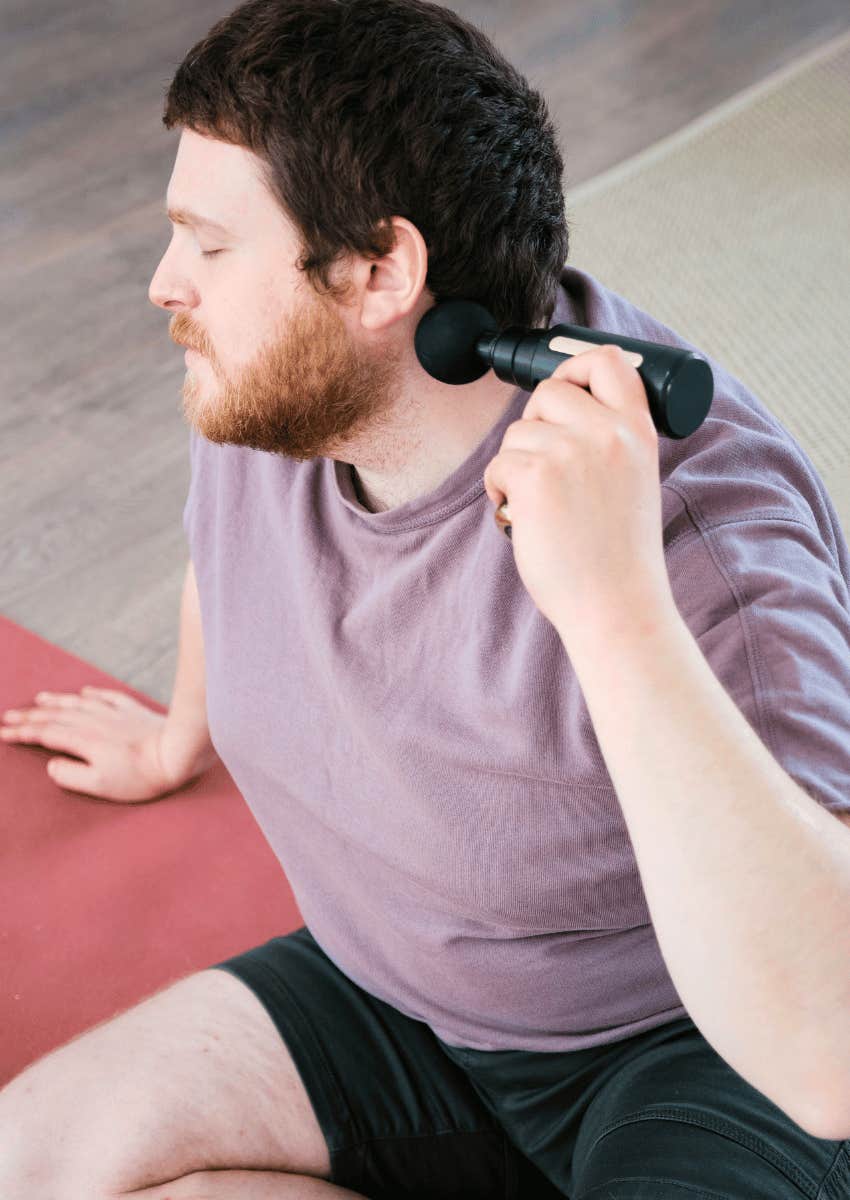
There's always something. A tight chest. A weird twitch. A mole that “looks different.” You become a part-time investigator of your own nervous system. Just this morning on my walk, my left arm started to go numb.
I said, “What now?”
ChatGPT said, “Could be anything, bro.”
“Am I dying? Yesterday I had a tickle in my bum. Think they’re linked?”
ChatGPT said, “No. That was … that was something else.”
“So, am I dying? Answer my question?”
“Peter. You’re not dying. You are walking, you’re awake, you’re trying, you’re planning a life with your wife, you’re trying to get in shape, you’re trying to build your business, your brand, your legacy, finish your book, and scrolling on your phone. You have carpal tunnel.”
7. Struggling millennials can’t enjoy anything without narrating it
I don’t go for walks. I leave the house to narrate my life while listening to The Lion King soundtrack. I can’t just exist like a grumpy Gen-Xer. I have to create a little documentary voiceover for your own life, like:
Here we see the millennial in its natural habitat, buying a coffee it can’t afford to soothe an anxiety it acquired for free. Watch how it checks its stats and makes serious facial movements so that everyone in the café assumes it is reading something important and not texting its mother, dropping heavy hints that they are in financial distress and need help right now, otherwise they are out of luck.
Peter William Murphy is a writer, teacher, musician, and content creator. He has published over 250 articles on Medium and has been selected for curation on 26 occasions. His work explores society, culture, politics, and mental health.
