
Mom Makes Her Kids Create A Business Plan To Convince Her Why They Should Get A Dog
 NDAB Creativity | Shutterstock
 A dad named Jesse Itzler found himself in the classic predicament of having his young kids ask for a family dog. Rather than just allowing them to have one, he shared that his wife was forcing the kids to create a business plan to convince her to invest in their idea.
Most kids promise that they'll walk the pet and clean up after it, begging until their parents eventually cave. What happens after that is they do it for a few weeks, maybe even a few months, and suddenly the weather turns, or they want to go out with their friends instead of walking the pup, and mom and dad take on the added responsibility. Itzler's wife wasn't willing to take that risk.
A mom is having her kids create a business plan to convince her to get a dog.
In a Facebook post, Itzler explained that his wife was turning their kids' wanting a dog into a good lesson on sales. Their kids' obsession with getting a dog had started right after his mom had visited with her two rescue puppies, Tessa and Sophie.
"Suddenly, 'Operation Get a Dog' was in full swing. But instead of saying yes or no, my wife, Sara, hit ’em with this: 'If you want a dog, you need to make a presentation. A business plan… I’m talking full-blown pitch deck,'" Itzler shared.
His kids were responsible for everything from breed research and chore breakdowns for the dog to walking/feeding schedules, local vet options, cost analyses, and some name ideas.
He pointed out that his kids are learning important values by doing this.
Itzler ran down the list of why this was such a good idea for his kids to do. He insisted that by having them come up with a business proposal, their kids were learning how to sell, how to anticipate objections, how to tailor a message to an audience, and how to make a task irresistible.
They are also undoubtedly getting an idea of how much work a dog really is. Most experts agree that kids will be all in when the pet is new, but after a few weeks, walking, feeding, exercising, and training become a chore they no longer want any part of. The ASPCA advises that parents should be prepared to take full responsibility for the pet if their kids are under 12 years old.
"Whether they get the dog or not, they’re walking away with a real skill: The ability to close. Pitching is part of life. Better to learn it early with dogs and bullet points than later when the stakes are higher. And let’s be real… Who can resist a well-researched, well-rehearsed pitch from two kids begging for a furry best friend?" he continued.
Learning responsibility from an early age has immense benefits.
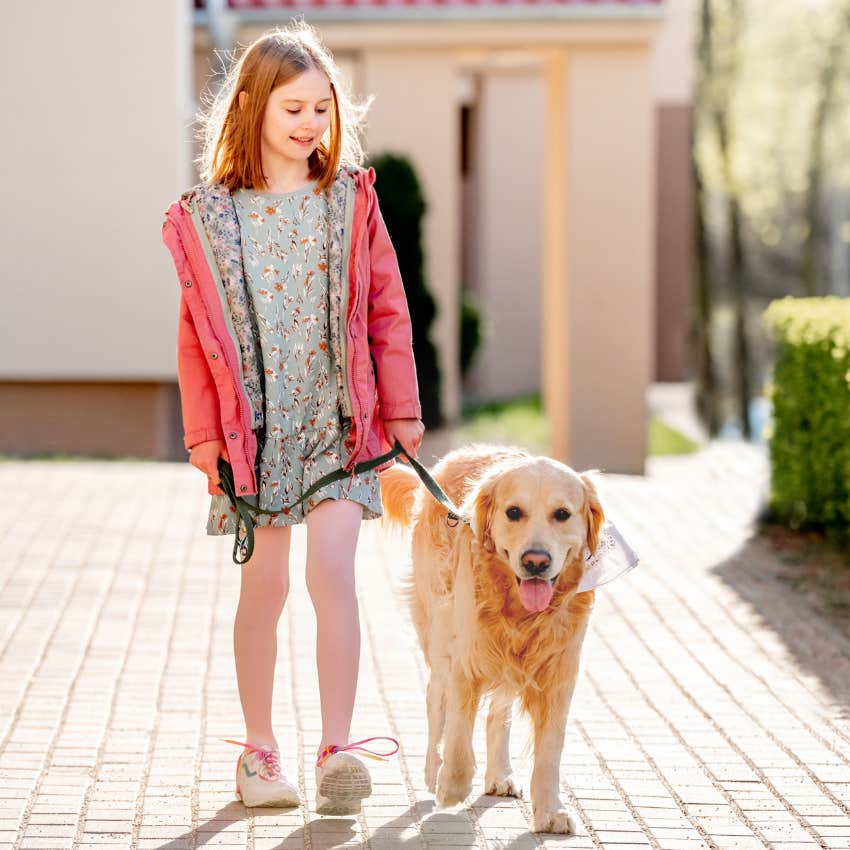 In Green | Shutterstock
By Itzler and his wife having their kids come up with a business plan, it becomes much morethan just wanting a pet. A dog is hard work, and the kids are being forced to think beyond the general excitement of having a dog and into the responsibilities that come with it.
"Meaningful, age-appropriate responsibilities can help children develop coping skills that protect against anxiety, depression, and disengagement," explained psychologist Sam Goldstein. "Responsibility won’t, by itself, solve the youth mental health crisis. But it’s an important piece of the puzzle, intertwined with education, family support, and community networks."
On top of that, there are benefits in a child having a pet in the house. The presence of a family pet during childhood can increase emotional expression and control in children, and other research shows that even brief interactions with dogs can lower kids' stress levels.
At the end of the day, turning a child's desire for a pet into an initiative that forces them to really think about what they are committing to will have lasting benefits. Not only are they, hopefully, walking away with a dog, but also gaining skills that'll be great to have in their back pocket.
Nia Tipton is a staff writer with a bachelor’s degree in creative writing and journalism who covers news and lifestyle topics that focus on psychology, relationships, and the human experience.
