
People With Friends Who Are Much Older (Or Younger) Than Them Live Better Lives In 3 Scientifically Proven Ways
 LightField Studios | Shutterstock
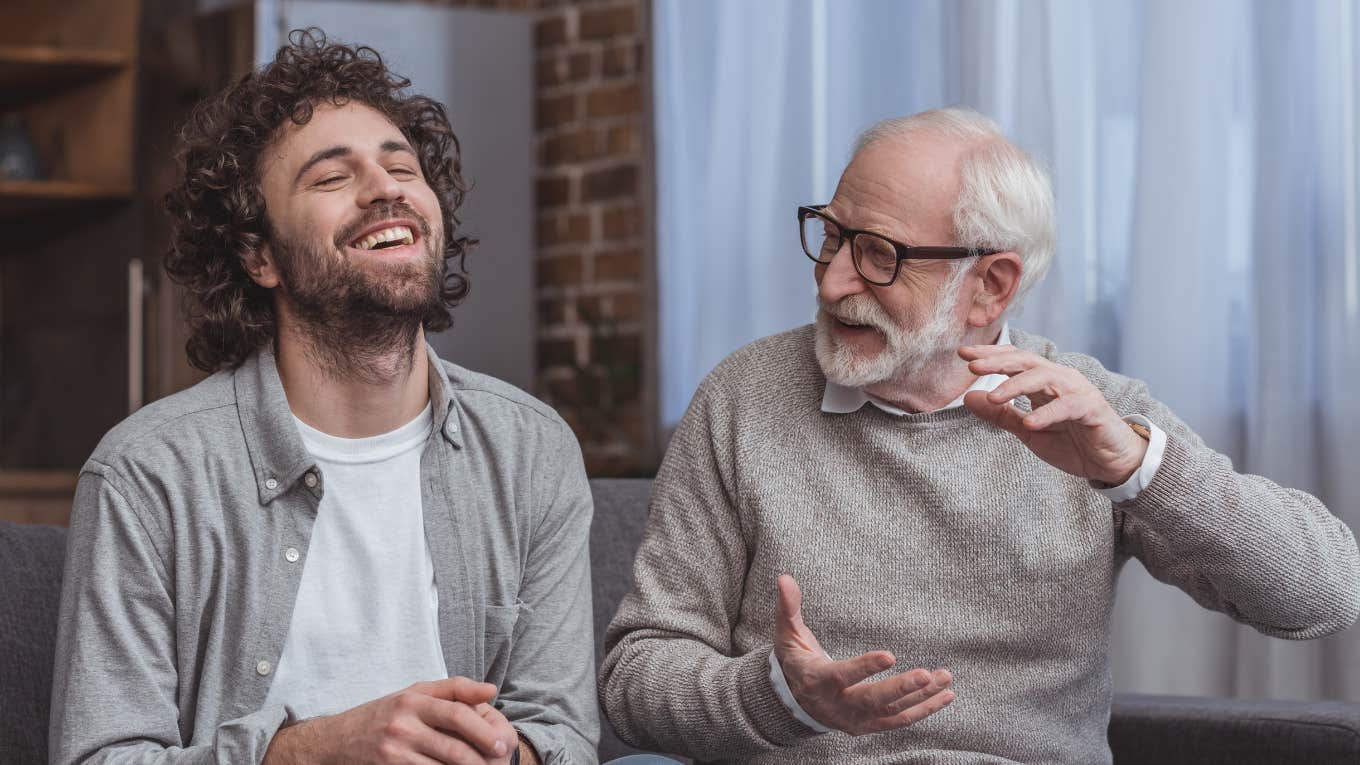
 They may be hard to come by, but there are proven benefits of interacting with and developing relationships with people much older or younger. In fact, intergenerational friendships open us up to all sorts of experiences we would otherwise miss, and that's not just opinion; it's actually backed by science.
Ronald Siegel, an assistant professor of psychology at Harvard Medical School, is a huge proponent of intergenerational friendships, noting, "We're like a fish in water with our usual social group, but it's potentially very limiting."
He added, "Intergenerational friendships require us to let go of biases about generations and approach the other person with curiosity. You realize there are all different types of intelligence, insight, and awareness that are fascinating and rich because the person came of age in another era."
People are starving for community and connection, especially as our country goes through incredibly dark times. And as social media has taken over ever more of the communal parts of life, it is replacing them with a digital version that simply doesn't fully do the job. Scientists say so, and so do an increasing number of young people, even those so-called "digital natives."
This is resulting in a strengthening trend toward intergenerational relationships of all kinds. In a recent survey, dating website DateMyAge found that respondents are not only embracing both platonic and romantic intergenerational relationships, but many are actively seeking them out, with 59% saying they're pursuing an age-gap relationship and 1 in 3 adults over 45 saying they've recently formed a close friendship with someone at least 10 years younger.
So what's behind this seemingly emerging trend? Well, the need for community seems an obvious answer, along with, as DateMyAge's survey revealed, elder stars like Cher and Madonna helping to destigmatize dating much younger men. But there are also proven scientific benefits of these types of relationships, whether in a dating context or simply friendship, that speak to our emotional needs not only generally, but especially in these fractured times.
People with intergenerational friendships live better lives in 3 scientifically proven ways:
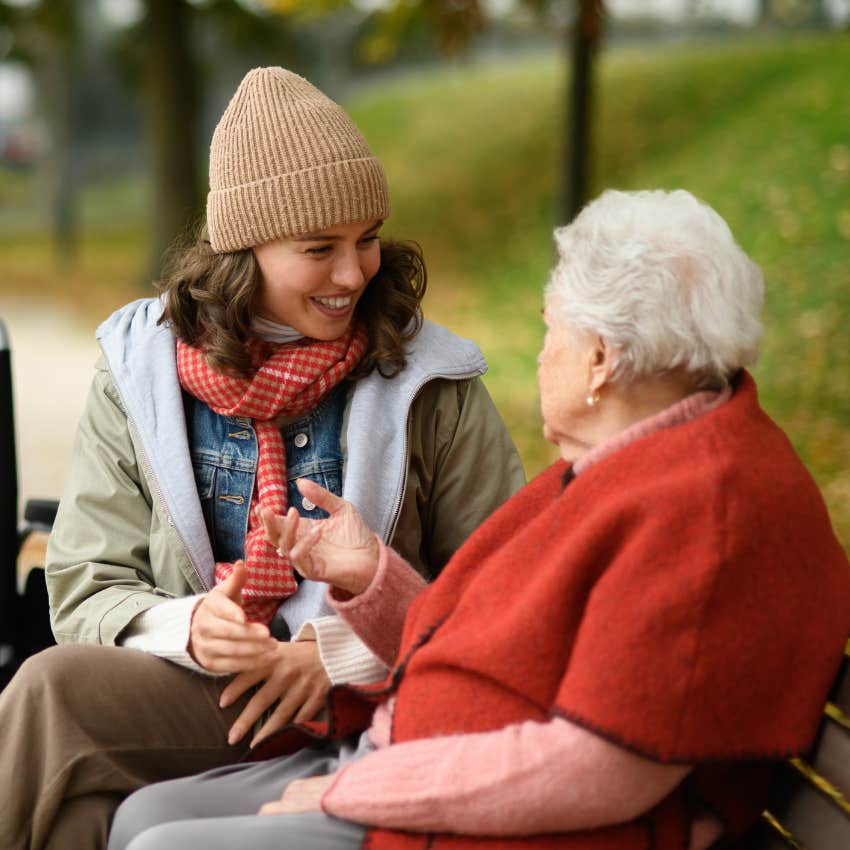
1. They have better support systems
 halfpoint | Canva Pro
Abraham Maslow, one of the pioneers of what is called "humanistic psychology" and best known for his theory based on a pyramidal "Hierarchy of Needs," was hugely informed by research on Native American tribes, especially the Blackfoot of Canada.
As opposed to the way most of the rest of society functions, with young people sticking with young people and elders sticking with elders, as well as the hierarchical way most families are arranged, Indigenous communities tend to be structured around intergenerational connection.
Maslow concluded that the lack of this structure deprived both age groups of much-needed connection, grounding, guidance, and energy, leading to insecurity and less self-awareness, especially for young people. Spend any time on social media these days, and you will likely come across several Gen Z'ers who feel this lack. Even the people most accustomed to living online sense that they're missing something these days.
2. Having younger friends keeps older people playful and intellectually stimulated
So intergenerational relationships help young people with developing themselves, but what's in it for older people? Maslow also found that, for elders, intergenerational relationships provided a vital sense of "playfulness" from younger people's perspectives.
Maslow called this playfulness an "integrator" that helps people "resolve dichotomies" and figure out how to solve their problems by providing missing context. This is in line with more recent research, which shows that a sense of playfulness in our later years enhances creativity and resilience.
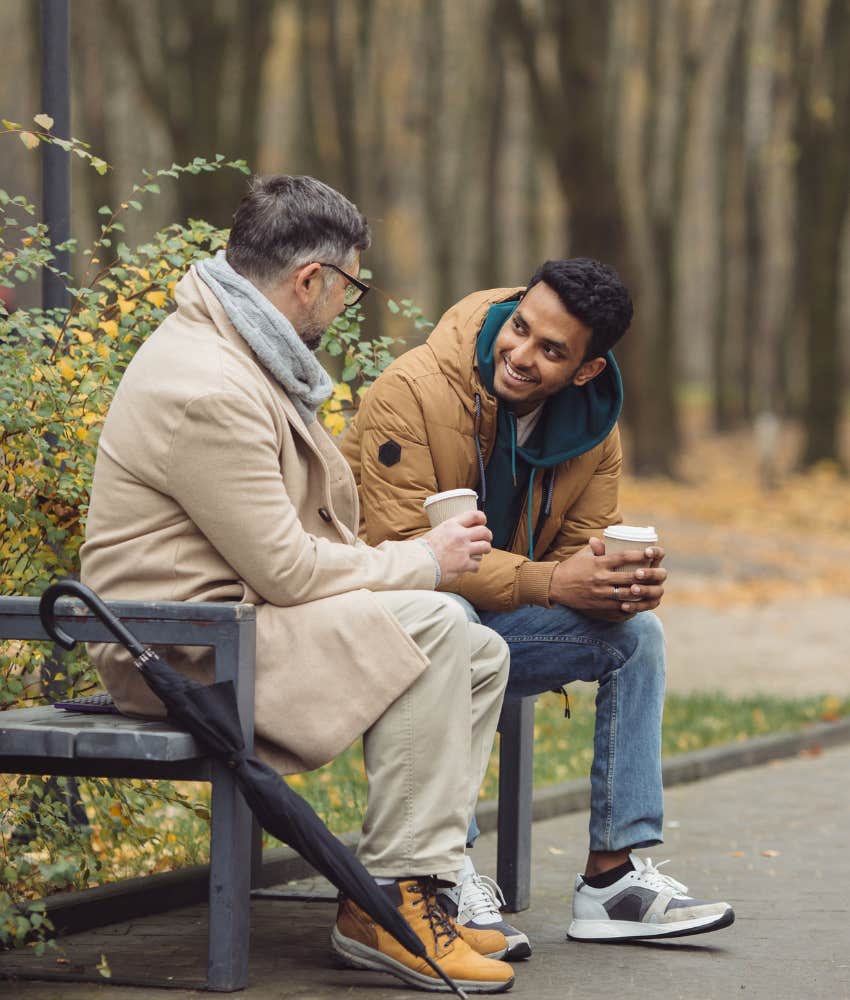
3. They provide perspective on history and the future
 Dmytro Sheremeta | Shutterstock
This is perhaps the most obvious, but also the most meaningful benefit. Young people are usually more forward-thinking, but lack the context of the past. Older people are, of course, often the opposite. When the two come together, they can add the missing perspectives.
A perfect example of this is the LGBTQ+ community, in which many younger people are terrified by the current threats to rights coming right at a moment when openness was expanding. But the elders have been here before: They came of age in a time of open hostility and the deadly crisis of the AIDS epidemic. In queer spaces online, you will often see these intergenerational trades of perspective: elders assuring young people that we've been here before and we'll survive again, and young people exposing elders to the newer, broader definitions of identity that exist today.
"You can learn from and inspire one another," therapist Jamie Bronstein, who helped conduct DateMyAge's research, explained. "Varied viewpoints, energy, and emotional give-and-take contribute the most to people who are reshaping long-held ideas of support and what actually matters in their lives.” Sounds like exactly what we all need about now.
John Sundholm is a writer, editor, and video personality with 20 years of experience in media and entertainment. He covers culture, mental health, and human interest topics.
