
Husbands Who Don't Make This Daily Habit A Priority Usually Have Unhappy Wives, Says Study
 Zamrznuti tonovi | Shutterstock
 Couples who want to stay together and have a strong relationship are willing to put in the effort needed to make their marriage work, even if it means doing a little bit more than they already are.
An interesting new study published in the Journal of Health and Social Behavior concluded that there’s one habit that is especially important not only for individual health, but for maintaining a happy relationship as well. Unfortunately for all the husbands out there, it means they may have to try a bit harder.
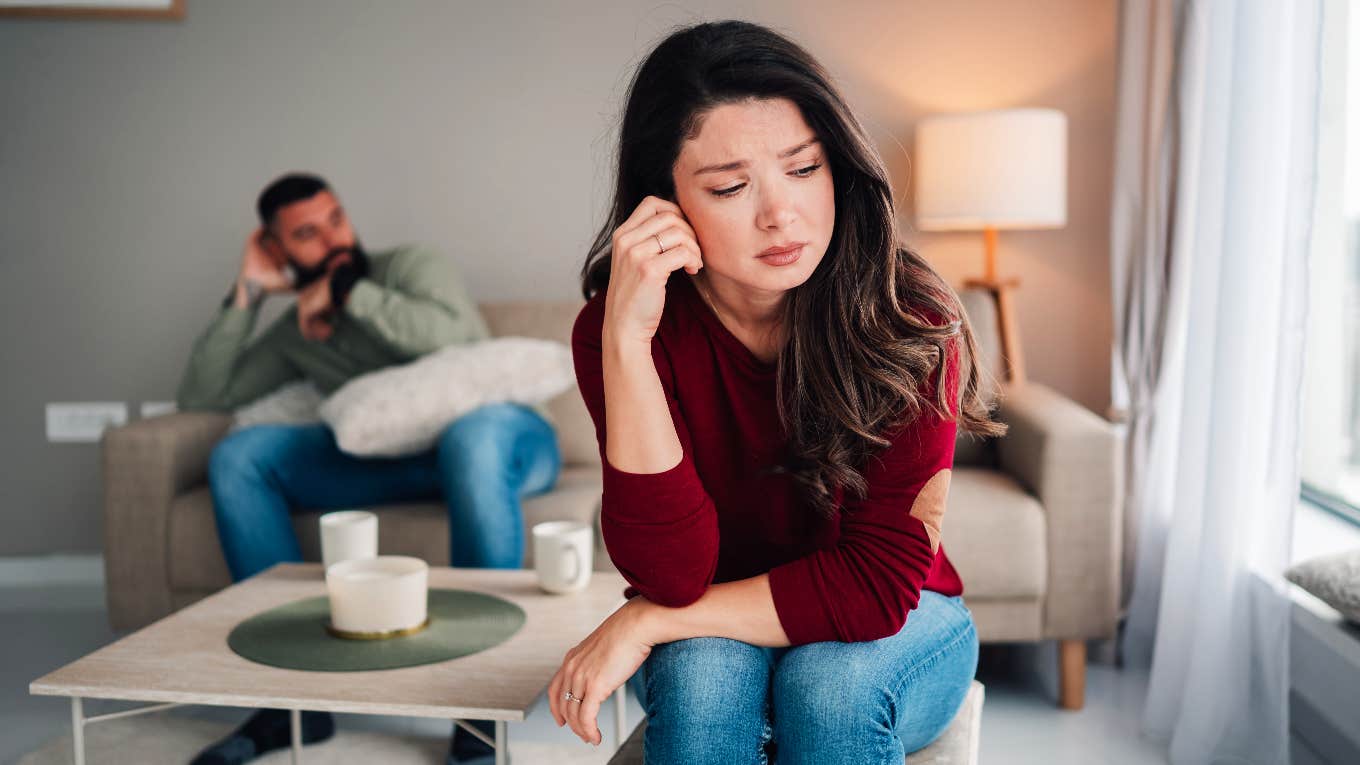
The study showed that husbands who don’t sleep well are more likely to have unhappy wives.
According to an analysis of the study from PsyPost, the research was conducted by Asya Saydam and Jaime Hsu from the University of Texas at Austin. They wondered if sleep had a social impact since 82% of adults who are in a relationship sleep together. Their results will probably be validating for a lot of women.
 Timur Weber | Pexels
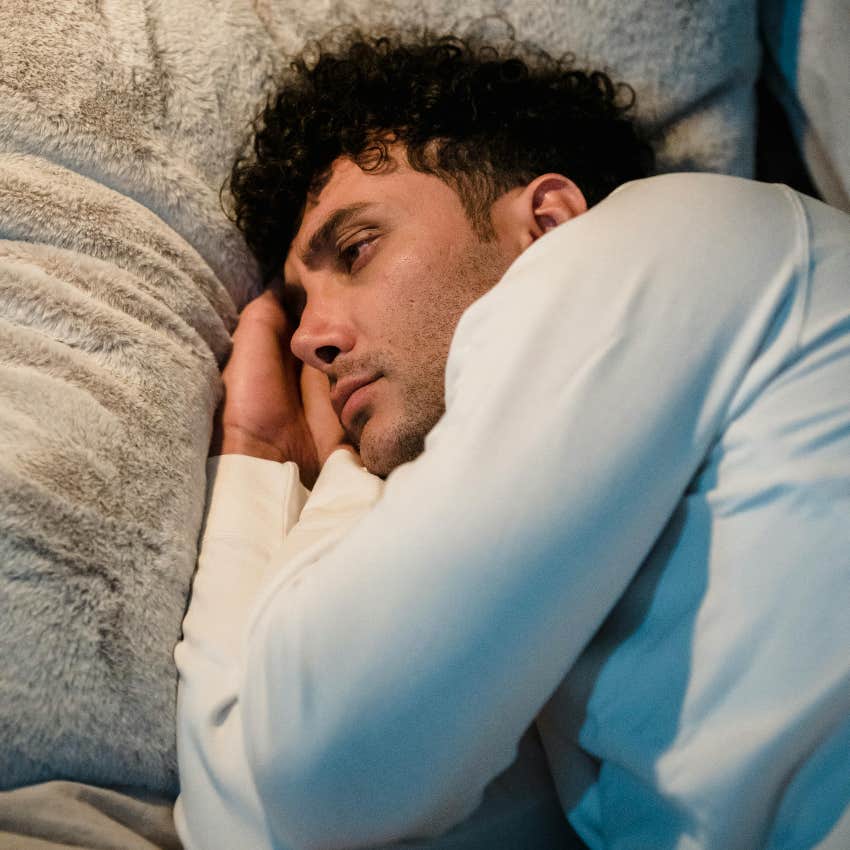
Saydam and Hsu surveyed 378 different couples about how they slept and how they felt about their spouse. They discovered that quality sleep led to higher marriage satisfaction overall, but this was “meaningful especially for women in heterosexual relationships,” Saydam said. When their husbands are tossing and turning all night, wives are less happy.
Husbands, on the other hand, were pretty unaffected by how well their wives slept. Saydam noted this isn’t definitive, but it does present an interesting link. “We’re looking at associations, which means that we can’t strictly say that poor sleep causes marital strain, just that they move together,” she said.
The researchers believe that this could be due in part to traditional gender roles.
Saydam said of the wives they studied, “They’re already carrying more of the household and emotional labor, and that may affect their sleep and how that sleep connects to marital strain.”
It’s no secret that wives take on more responsibilities related to childcare and housework than their husbands do. Even though it’s entirely normal for women to work outside of the home now, they still spend twice as much time taking care of their kids and their house as men do. The study stated they also “likely have fewer opportunities to compensate for or recover from disrupted sleep.”
 Sarah Chai | Pexels
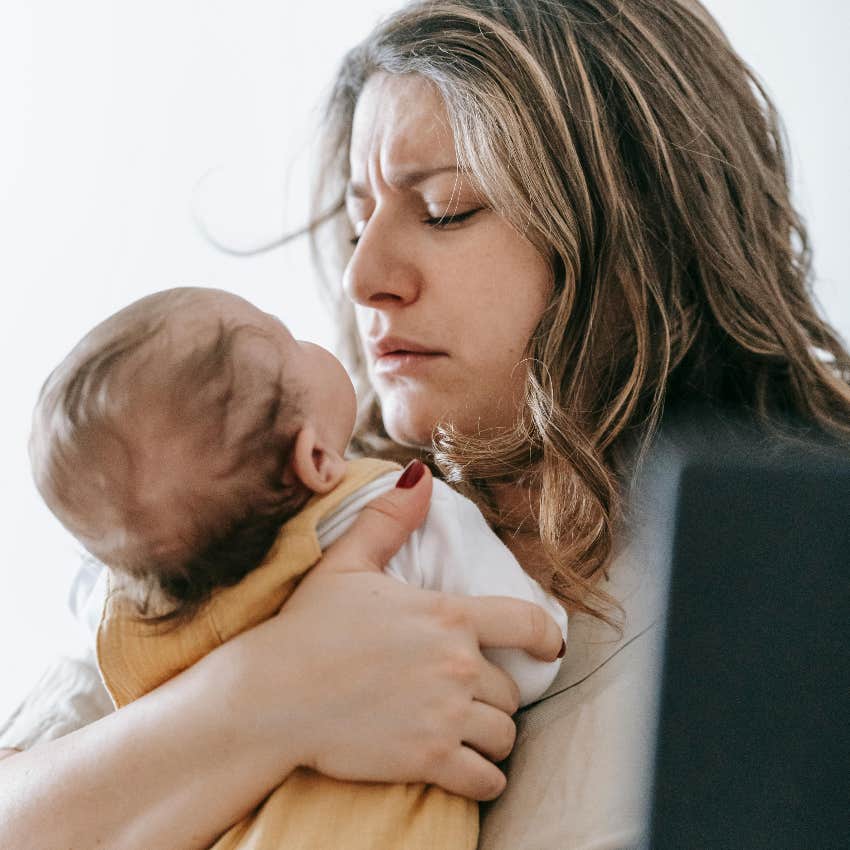
As unfair as it might be, men are more likely to be able to sneak in an afternoon nap because women simply don’t have the same amount of free time. And if there’s a reason to get up during the night, like to comfort a child who had a nightmare, that task will probably fall on women too.
These facts contribute to general marital strain and to wives carrying a heavier emotional load. This could mean that a woman doesn’t just feel unhappy because of how her husband’s rest affects her own, but also that she feels a greater sense of resentment.
When someone is married, sleep impacts a lot more than their individual health and happiness.
We’ve all had the benefits of sleep, like better memory and a stronger immune system, drilled into us for basically our entire lives now, so it’s interesting to note that the way we sleep doesn’t just affect us personally. Experts say that a couple who sleep together is probably going to have better quality sleep and experience other health benefits.
 Pavel Danilyuk | Pexels
This is largely dependent on the times the couple goes to sleep and wakes up, though. If there’s a major difference in their schedules, it could actually be healthier to not sleep together. There’s nothing wrong with what’s commonly called a “sleep divorce” to make sure both spouses get the rest they need.
Sleep can be difficult because we tend to think of it in individual terms. But partners who sleep together are going to feed off of each other’s sleep habits just like they do in every other aspect of life. It’s important to keep that in mind to keep your relationship as happy as possible.
Mary-Faith Martinez is a writer with a bachelor’s degree in English and Journalism who covers news, psychology, lifestyle, and human interest topics.
