
People Born Before The 1990s Usually Have 3 Frugal Habits Younger Generations Should Really Start Using
 Anatoliy Cherkas | Shutterstock
 The world is so vastly different from the one our parents and grandparents lived in.
Despite the economy changing over time, finance expert and money coach Vee says there was an awful lot of wisdom in those old-school approaches to money. Not everything they did makes sense anymore, but there are frugal habits younger generations should really start following.
Frugal habits people born before the 90s have that younger generations should follow
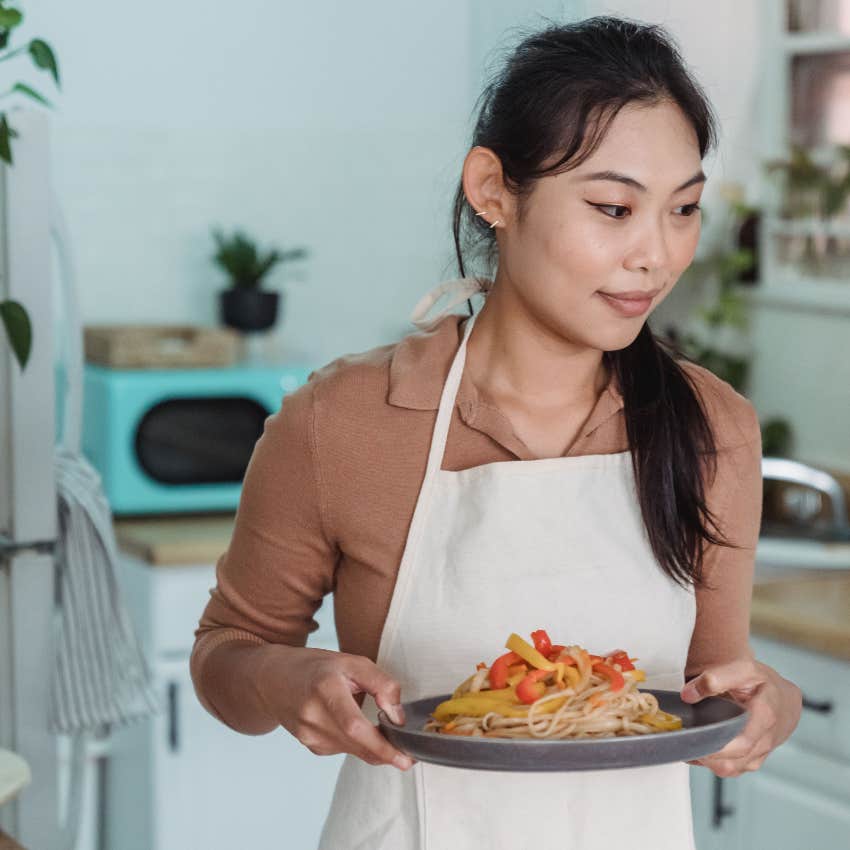
1. Eating at home instead of ordering out
 Kevin Malik | Pexels
Most of us likely remember our parents not letting us get fast food because there was already plenty of food at home. And it really does seem like a lot of us could stand to live by this again.
"Maybe some of us are just making up for the fact that we heard this every single time we would ask to stop at McDonald's or Burger King," Vee said. "Now that we're older, we're like, OK, we're gonna eat out whenever that urge hits."
Whatever the motivation, we really are eating outside of our homes what seems to be all the time. According to U.S. Department of Agriculture data, Americans currently eat about one-third of their calories at restaurants, up from just 6% in the 1970s.
Add in all those excessive DoorDash and UberEats charges, and it really is a wallet-drainer. "When you're trying to do better financially, moderation is your best friend," Vee suggested. "So your parents were correct: There is food at home, and the more you remind yourself of this, the more money you will likely save."
Remember that, yes, groceries are expensive these days, but that they're not nearly as expensive as dropping $30 on a takeout Chipotle burrito every night, no matter what social media tells you. Instead, go to the grocery store and stock up on food.
2. Learning how to make do with what you have
For people who were born before the 90s, they remember a time when it wasn't commonplace to replace a broken item at home or even buy new things. Today, despite focusing on sustainability and even thrifting secondhand items, young people are influenced by trends and fast fashion cycles.
"Overconsumption is out of control right now, with a lot of people upgrading and buying just for the sake of it. And unfortunately, it keeps a lot of people broke," Vee said. "I honestly don't think that it used to be this way."
It's pretty hard to argue with her. "Make do and mend" was literally a public service message in the U.K. during World War II, when resources were scarce and had to be held in reserve to aid the country's defense efforts. That ethos really has disappeared from our culture.
It has been making a comeback, like all the millennial weddings that repurposed mason jars for glasses. And there's been a trend in recent years of younger people reverting to the old ways of doing things, with pickling and canning being just one example.
Not only are these interesting (and sometimes delicious) hobbies, but they're money-savers too. In fact, if younger people adopted this frugal habit, they would come to understand the struggle that older generations faced.
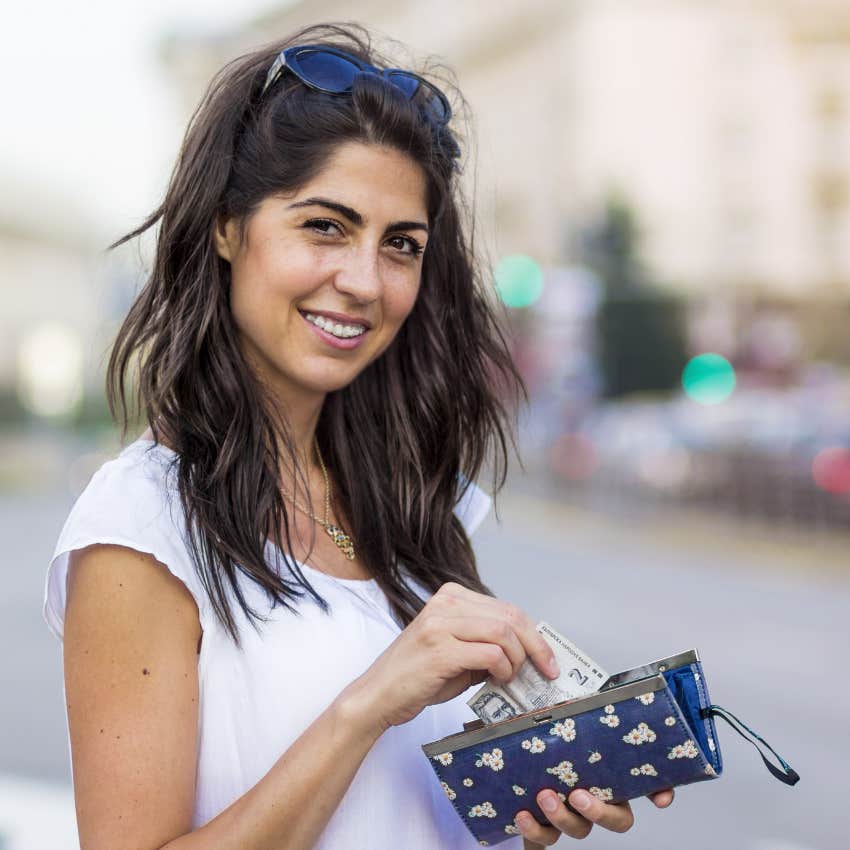
3. Using cash for everyday purchases
 Boryana Manzurova | Shutterstock
For people under the age of 35, cash used to be ubiquitous. Older folks carried printed money and coins in their pocket or purse, and used it to buy everything. This was in a time way before ApplePay and digital wallets.
When is the last time young people even carried any cash? According to Vee, this is another frugal habit that should come back. While many people use credit cards and earn rewards points, they easily become dangerous.
"If you're the type of person who tends to overspend when you use a credit card, your best bet is really to just go back to an old-fashioned envelope method," Vee said. The envelope method is where you have different envelopes for bills and discretionary income, and divvy up your cash between them each week.
The key here is you only spend what you have, because when you have a set amount of cash available, you're not going to spend as much. In fact, people are twice as likely to spend when they're using a card versus cash.
The intangible-ness that money takes on when it's just an unseen entity attached to a card, rather than the literal paper you hold in your hand, really can make a difference. It's one you might just see in your bank account down the line.
John Sundholm is a writer, editor, and video personality with 20 years of experience in media and entertainment. He covers culture, mental health, and human interest topics.
