
These 100-Year-Old WWI Love Letters Show What Real Romance Used To Look Like
 Everett Collection | Shutterstock
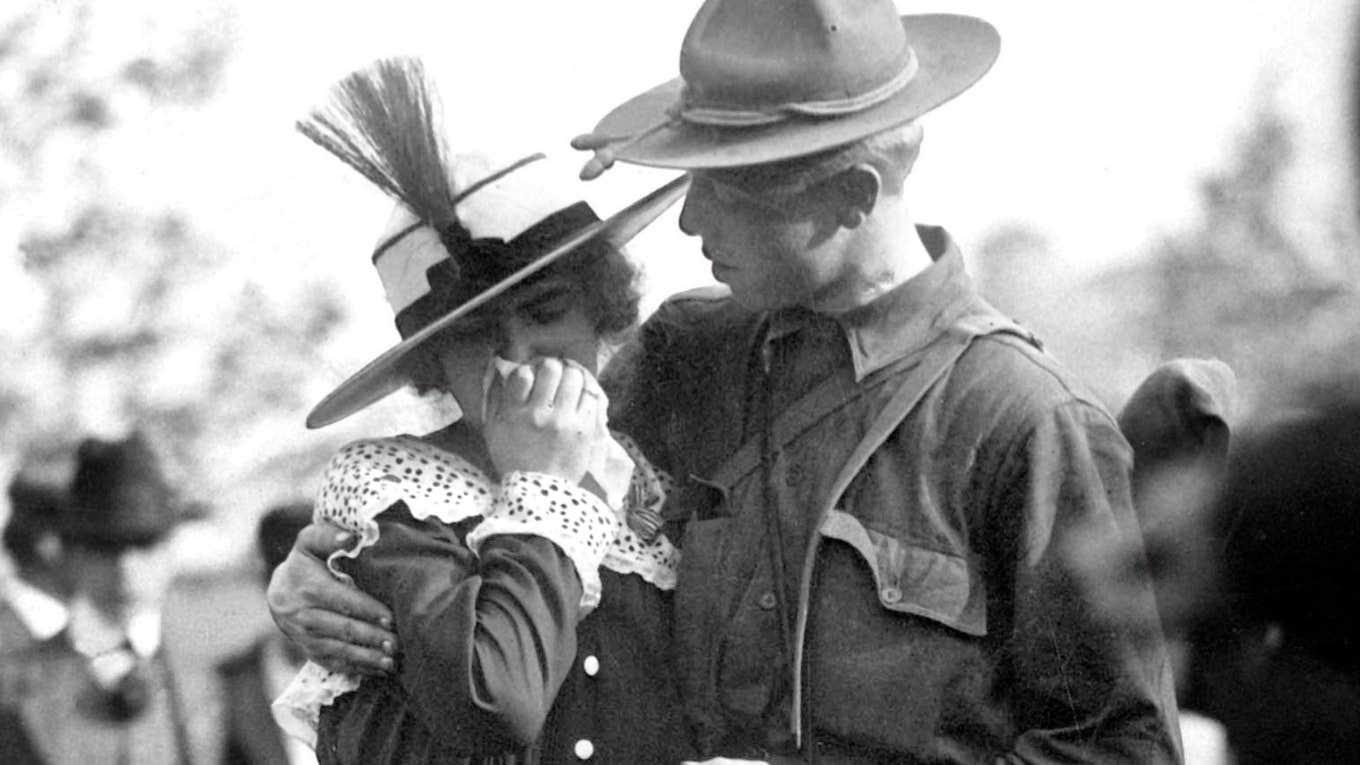
 World War I forced people into long-distance relationships. An emotional connection with your partner under these circumstances can be difficult, if not impossible. Soldiers in WWI and their significant others created a workaround, though.
They sent love letters to one another to keep things intimate, even while far apart for an extended period. The National WWI Museum and Memorial has a collection of these 100-year-old letters that show what real romance used to look like — and to help you bring some tenderness to your own long-distance relationship, we looked through and grabbed some ideas about how to properly write a love letter. Sweeten things up through the mail this year with these tips inspired by smitten soldiers and their partners.
These 100-year-old WWI love letters show what real romance used to look like:
1. Real romance used lots of endearments
 The National WWI Museum and Memorial
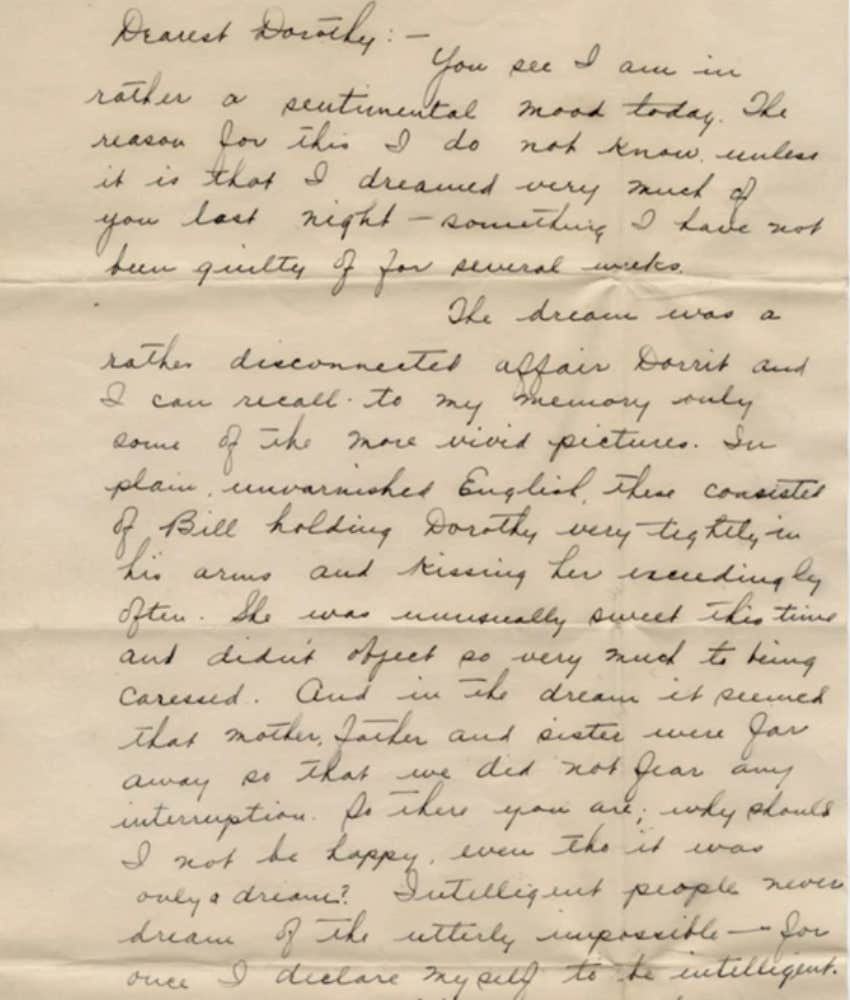
Whether it’s pet names, sweet inside jokes, or just poetic language, don’t forget to use endearments to make your loved one feel cherished.
Lora Vogt, Curator of Education at The National WWI Museum and Memorial, says WWI doctor Charles Irons was an expert in this when he wrote home to his wife Harriet and daughter Virginia: “With loads and loads of love, hugs, and kisses to you and Virginia,” and, “May God watch over us all and bring us safe and sound again into each other’s arms. With oceans, and oceans of love to you and Ginger, with a kiss on each wave. Yours ever, Charles.”
If you want to use some WWI-era appropriate nicknames, try these pulled from the letters: Honey Dear, Darling, Snookums, My Little Liberty, Dearest Little Bunnies (to wife and daughter), Kid, and Love Drops.
2. Real romance took some chances
 The National WWI Museum and Memorial
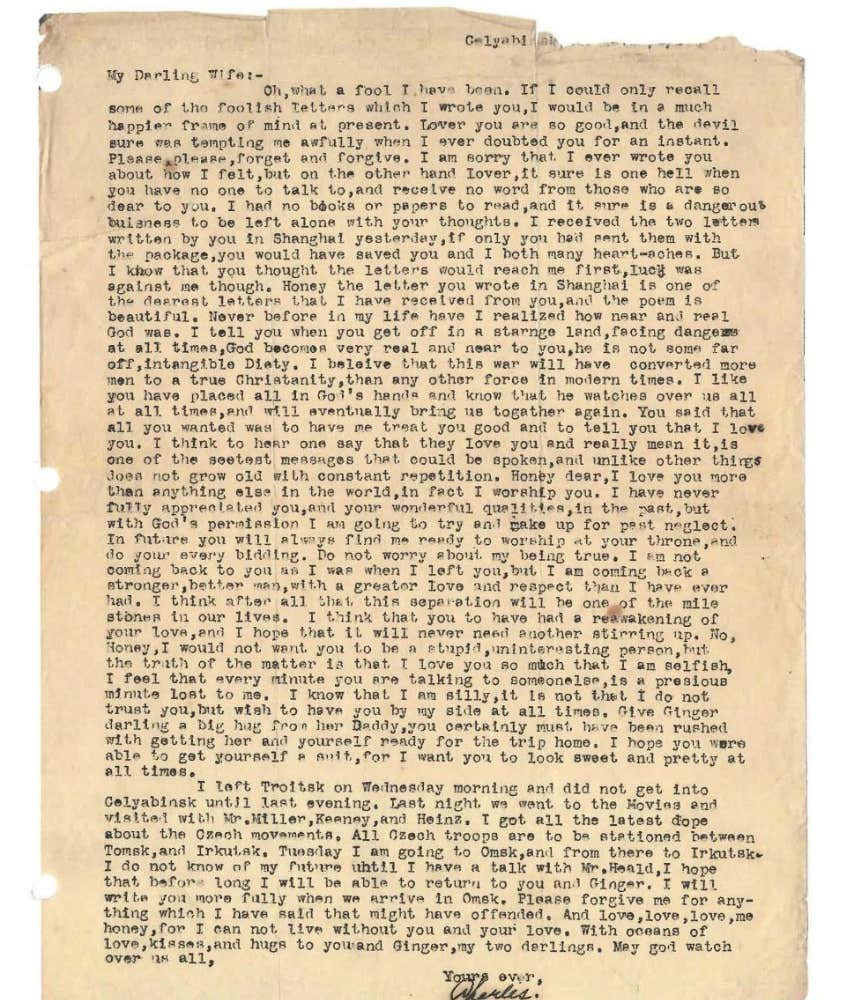
Use the power of the written word to help you take chances you’d be too timid about in person — whether that means adding in frisky language or even trying to take your relationship to the next level. When soldier Reid Fields exchanged letters with his friend Clara Wrasse, you can see the two taking chances on turning friendship into something more when he writes: “This is natural writing to you, but hope this letter will not sound like childhood days.”
And there’s a particularly saucy (for the time) letter from William Steege to Dorothy Hollmann, explaining a dream he had of her the night before: “In plain, unvarnished English, it consisted of Bill holding Dorothy very tightly in his arms and kissing her exceedingly often. And in the dream, it seemed that mother, father, and sister were far away so that we did not fear any interruption.”
3. Real romance arrived with a photograph or little drawing
 The National WWI Museum and Memorial
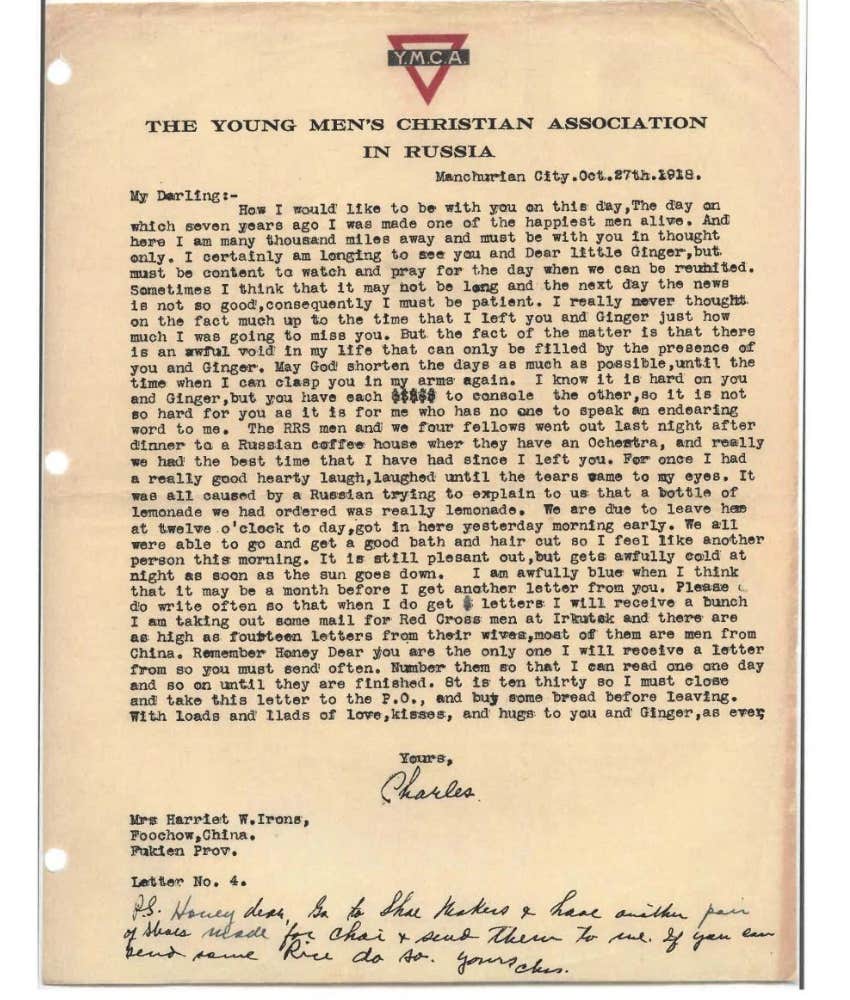
Just like soldiers and their partners sent photos to keep by the bed (or cot) at night, including one with your letter. A lot of things can change when you’re separated by time and distance, so show off your new hair or maybe a naughty outfit or two.
4. Real romance avoided lamenting
 The National WWI Museum and Memorial
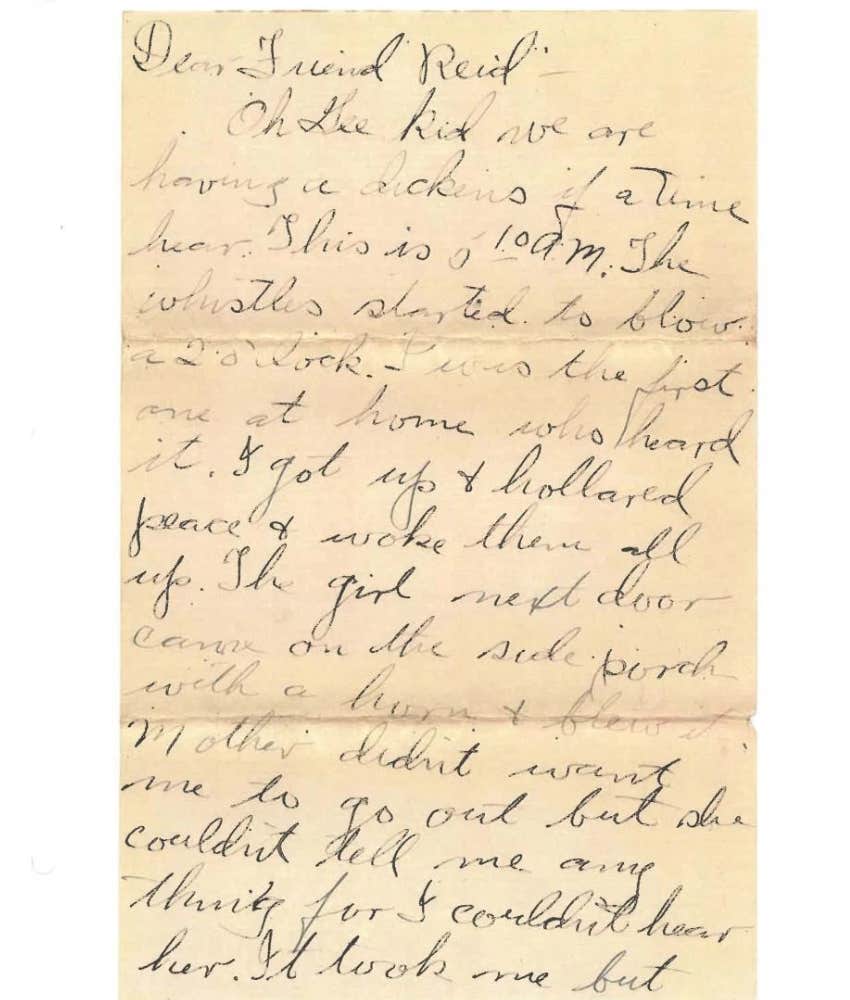
Just like during WWI, the mail service today isn’t the most reliable. So try not to lament that your partner hasn’t written — because they likely did and it just didn’t reach you yet.
“Time and time again, you read these letters from the fellows bemoaning that they’ve not heard from people, particularly writing a girl ‘back home’ asking why they’ve not received a letter, picture, or package,” Vogt says. “And a century later, you know it’s simply because the mail just hadn’t been delivered. ‘Do you love me?’ or ‘Why haven’t I heard from you?’ … many of those letters are followed by another with phrases like ‘Oh, I didn’t realize that…’”
5. Real romance included affirmations and reassurance
 The National WWI Museum and Memorial
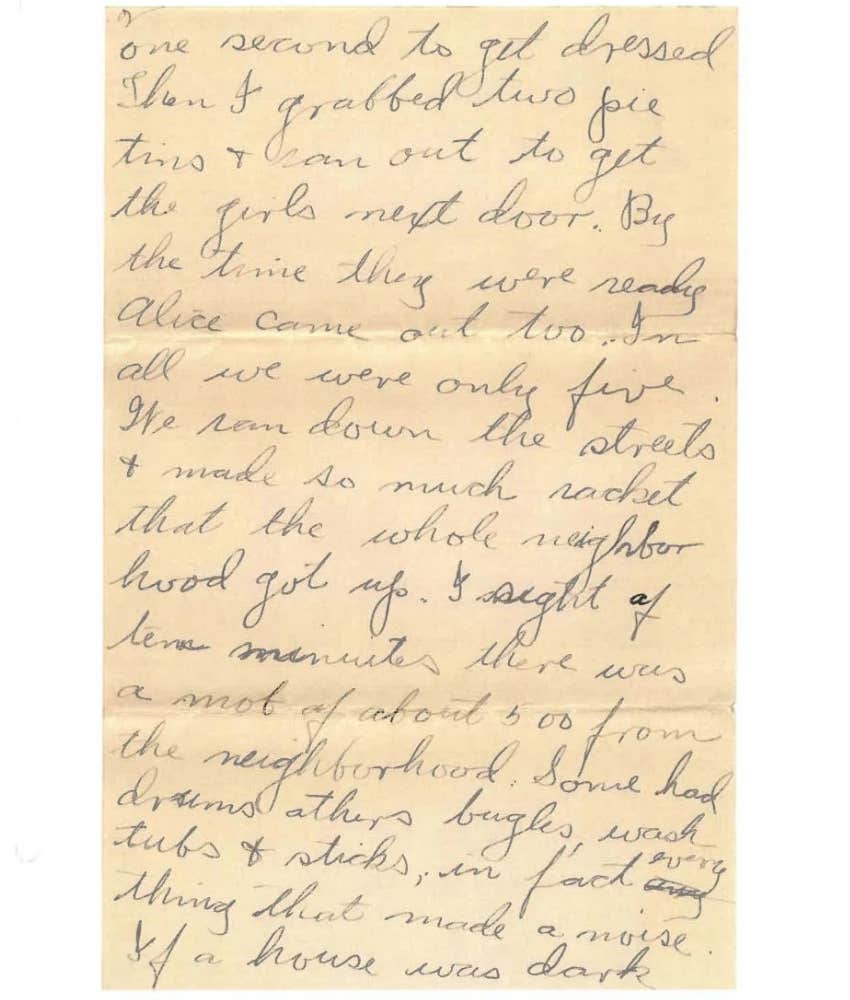
Nobody wants to spend the time between communication worrying about whether their loved one is right — WWI soldiers didn’t, and people today don’t.
“After reading hundreds of pages of letters, you read time and again that these boys are writing home saying that ‘all is well’ (whether or not it actually might be) or that they are getting enough to eat,” Vogt says. “You know they’re looking to comfort those they’ve left behind.” So write some comforting words and follow them up with an affirmation that you’re thinking of them and they’re wonderful, like in the letters between Clara and Reid: “I am nearly always thinking of you,” and “As far as learning how to be tough is concerned, I don't think you need a teacher.”
6. Real romance covered both the meaningful stuff and the mundane
 The National WWI Museum and Memorial
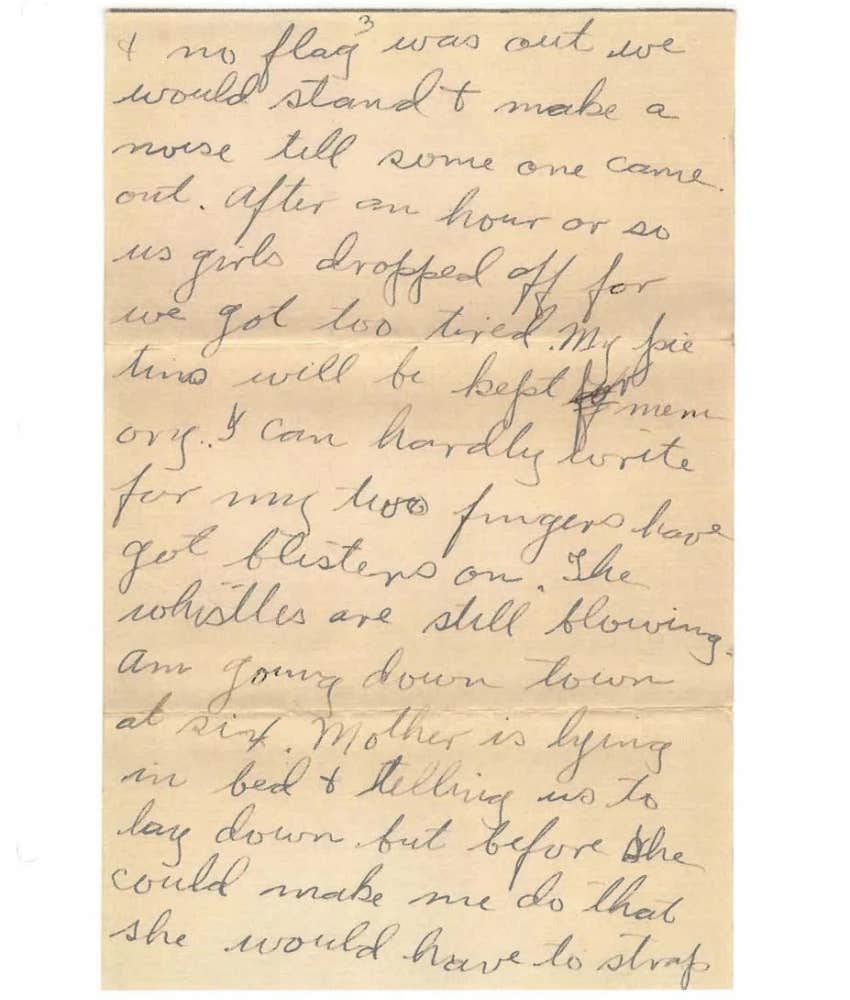
Dream about your lives together, whether that means what you want to do in the future or just the everyday stuff you imagine doing with your partner. “There is something about sharing what you ate, the weather — that can make you feel like you are genuinely sharing life,” Vogt says. “And it takes the pressure off… so get writing!”
Jennifer Billock is an award-winning writer and best-selling author. She's been published in The New York Times, Smithsonian, Wired, and National Geographic Traveler.
