
Someone Slowly Gaining The Capacity To Be A Good Partner Will Show Interest In Learning 11 Things
 Ave Calvar Martinez | Pexels
Love evolves over time, and the more we learn and grow, the more our feelings shift.
So, it's impossible to make a judgment about a relationship right at the beginning. But someone slowly becoming a good partner will show interest in learning certain things. And their commitment to you is often revealed by these new interests.
Things someone shows interest in learning when they want to be a good partner
1. Your childhood memories
 PeopleImages | Shutterstock
Our childhood directly influences our choice in selecting a romantic partner. But learning about insecurities and trauma doesn't have to be it. Sometimes, the sweet, small things are just as important for a partner to know about.
A partner who is learning to love in healthy ways is curious about the big stuff, but they also learn to be a good partner by showing interest in the memories and milestones that made you who you are.
2. What makes you feel safe
Feeling safe in a relationship is essential for it to be truly healthy. If one partner doesn't know what makes the other feel safe or secure, it can lead to a lot of misunderstanding and conflict.
Good partners talk about past trauma and make an effort to learn about the kinds of love their partner needs on a daily basis. These are the kinds of conversations someone learning to love well always makes space for.
3. Your love languages
Many people end up feeling disconnected from their partners because they try to show them love in accordance with their own love languages. But just because they appreciate getting gifts doesn't necessarily mean the same is true for their partner.
The best partners learn what makes their spouses feel loved. It might be a classic language or something entirely unique, but they put the effort in by practicing showing love in a way that's well received.
4. Your insecurities
While expressing insecurities to a partner can sometimes warp how secure they feel around them, vulnerabilities are something that need to be out in the open. If someone's partner doesn't know what triggers them, there's a whole layer of misunderstanding when they react disproportionately.
A good partner won't expect someone to express all these deep insecurities at once, but they will want to learn what makes them insecure. That way, they can communicate in a positive way.
5. Your hobbies and interests
 StockPhotoDirectors | Shutterstock
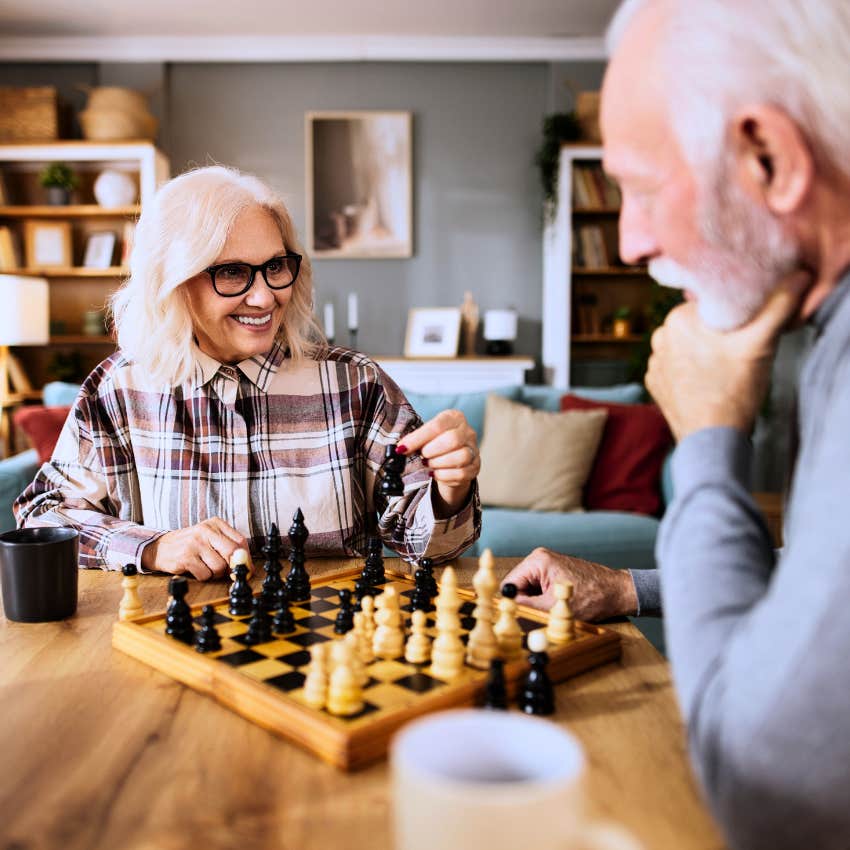
Showing an interest in learning a spouse's hobbies creates a stronger bond. Alone time is great in a relationship, but sharing these interests and doing them together creates a deeper sense of closeness.
Curiosity brings people closer together, and when you understand why a partner likes something or spends time on a specific hobby, it makes the relationship better.
6. Your goals
If a person has life goals that they seriously value, having a partner's support could be a real predictor of how successful they are in achieving them. When we have a partner by our side who acknowledges our goals and supports us in achieving them, it makes all the difference.
It's easy for a passive partner to hyper-focus on their own success, but the best partners will always make an effort to understand what's important for your own life course.
7. How much alone time you need
Finding a balance between socializing and spending time alone is essential in any part of life. And in a relationship, carving out alone time is just as important.
If partners aren't on the same page about how much alone time they need or why it's important, it can cause tension. One person might feel stifled, while the other ends up taking the separation personally.
Alone time is essential, and people learning how to love their partner in the best ways will learn how to find a balance.
8. Your values
Conversations about basic values and beliefs should come up early in the dating process. But great partners learning how to show love also commit to understanding how those values ebb and flow over time.
They recognize that asking questions and having conversations need to happen consistently, because we all change as people. Instead of holding their partner to the same standard they did when they first met, they learn about them as they continue to grow as individuals.
9. How to support your mental health
 Zamrznuti tonovi | Shutterstock
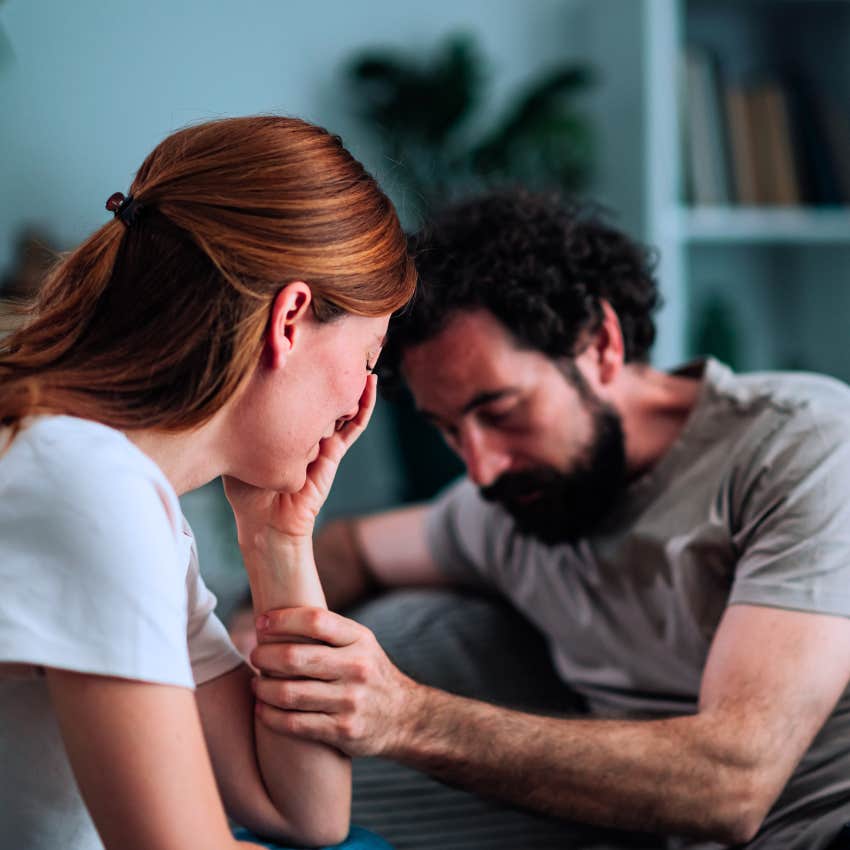
Everyone deals with their stress in different ways. Selfish people who don't support their partners may expect that whoever they're with does it in the same ways as they do. But a partner gaining the capacity to love in healthy ways wants to know how their partner takes care of themselves.
Instead of making assumptions, they ask. They make sure that they not only empower their partners, but also ensure they feel safe doing so.
10. Your attachment style
Part of learning someone's attachment styles and conflict-resolution skills comes from understanding how they grew up. Our romantic relationships in adulthood are shaped by the love we received and witnessed from our parents, so good partners have to learn about a spouse's childhood to get the full picture.
A healthy partner's communication habits and affection are all influenced by the experiences and trauma they're individually bringing to the table.
11. Your fears
For someone who's used to handling things on their own, communication can feel scary. But it doesn't have to be. In fact, couples who openly communicate about everything with compassion are the happiest, healthiest ones.
That's why talking about the scary stuff with a partner, like our fears about the future, is so important. Even if it takes some practice, the best kinds of partners will make an effort to try.
Zayda Slabbekoorn is a senior editorial strategist with a bachelor's degree in social relations & policy and gender studies who focuses on psychology, relationships, self-help, and human interest stories.
