
Research Says These 3 Daily Lifestyle Changes Can Ease Some Of The Most Common Menopause Symptoms
 fizkes | Canva
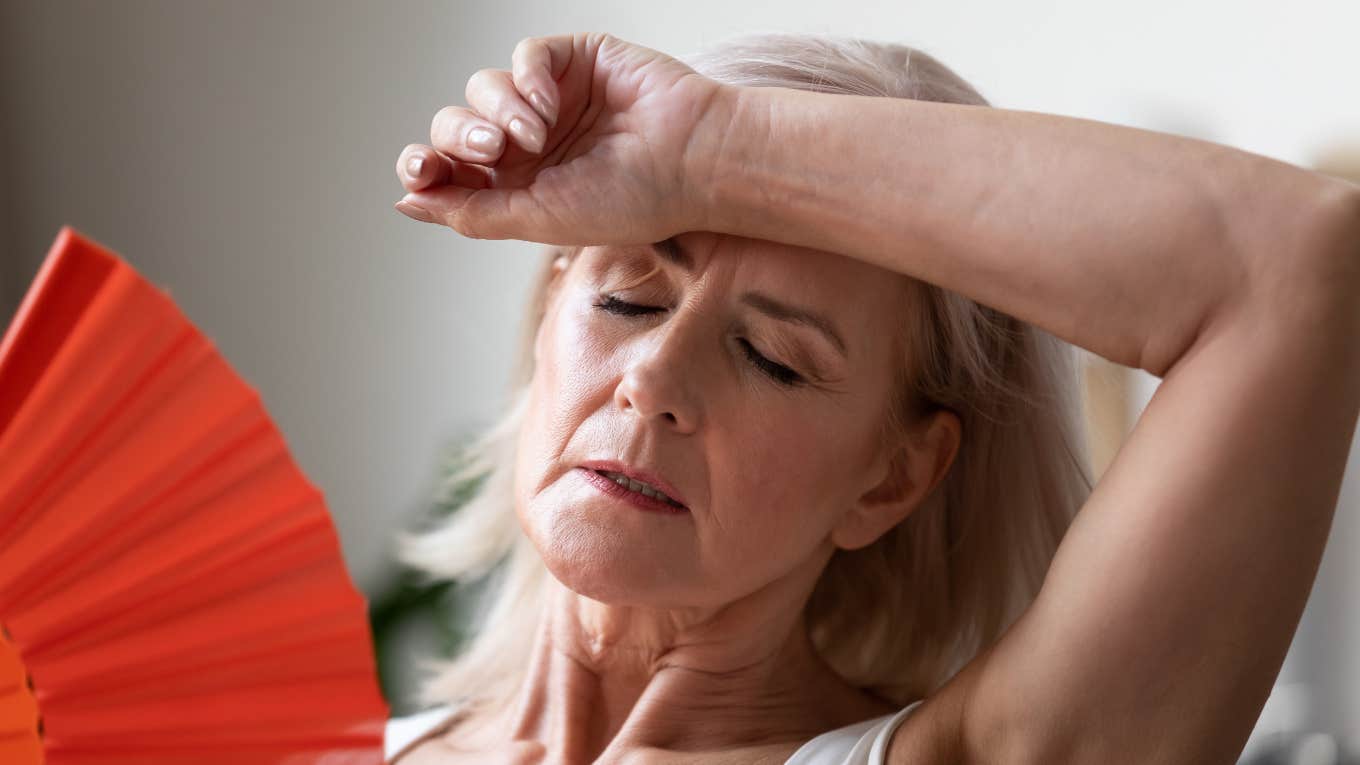
 Menopause symptoms are a natural part of every woman's life, but no two women experience them the same way. According to the National Institute on Aging, symptoms can last anywhere from two to eight years, though the timing and types vary widely from person to person.
Symptoms are typically described as mild, moderate, severe, or very severe, and where you land on that spectrum makes a big difference in daily life. About 75-80% of women experience vasomotor symptoms like hot flashes, night sweats, and migraines during the transition, though the severity varies. The good news is that a large number of women find ways to manage them without hormone replacement therapy.
Research says these 3 daily lifestyle changes can ease some of the most common menopause symptoms:
1. Exercise regularly
 Centre for Ageing Better / Unsplash
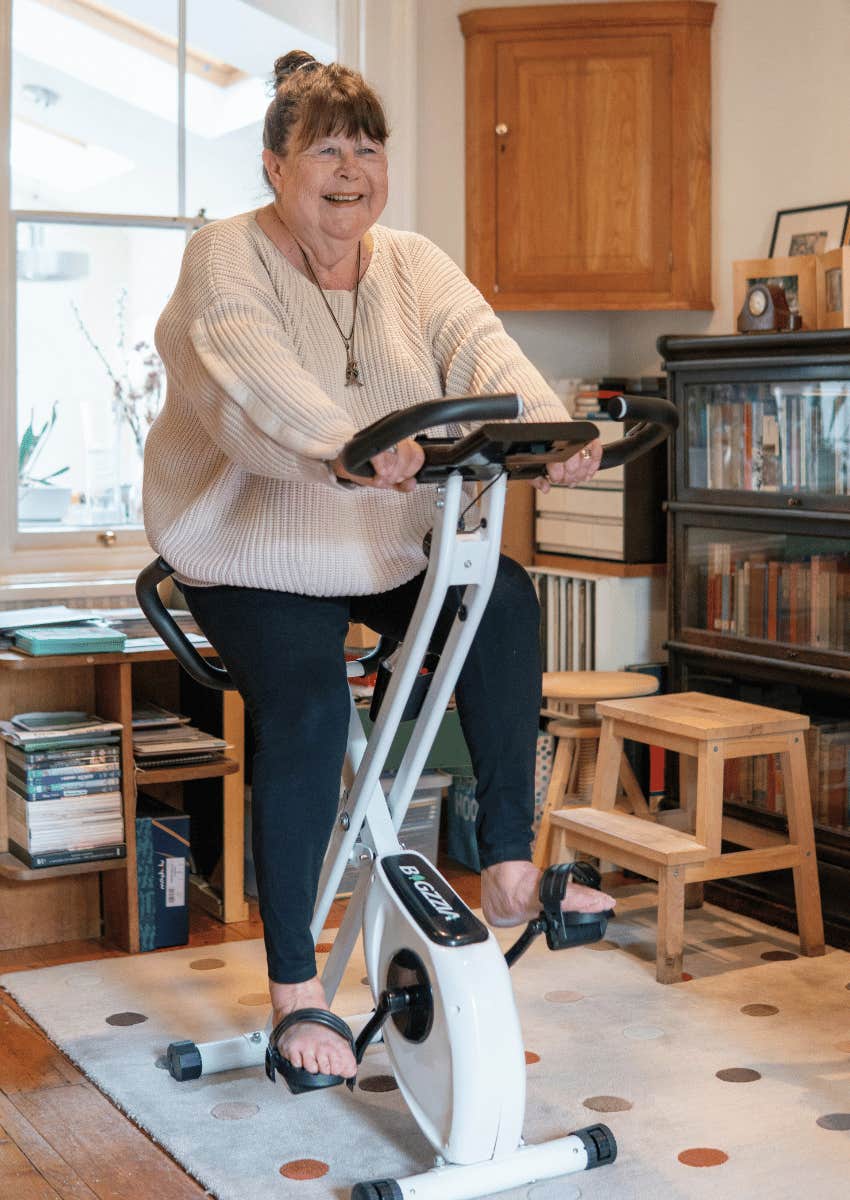
There is currently insufficient evidence to confirm whether exercise is effective in treating hot flashes and night sweats. However, there is evidence to support other benefits of regular exercise.
These include improved energy and metabolism, healthier joints and bones, decreased stress, and better sleep. For example, one study found that exercising 3 hours per week for 1 year improved physical and mental health and overall quality of life in a group of menopausal women.
Regular exercise is also associated with better health and protection against diseases and conditions, including cancer, heart disease, stroke, high blood pressure, type 2 diabetes, obesity, and osteoporosis. Exercise may not provide complete relief from menopause, but you can still benefit from it.
2. Actively reduce your stress levels
Anti-depressants are often prescribed for women with perimenopause and menopause symptoms who report feeling stressed, anxious, or overwhelmed during the menopause transition. In some cases, antidepressants may not be the right answer for menopause symptom relief or resolving the source of your symptoms.
Stress is often behind hidden imbalances in hormones and neurotransmitters that can affect mood and cognitive function. Too much stress is also linked to symptoms such as hot flashes and low libido.
The stress in your life makes prioritizing self-care especially important. One of the most effective, easy, and cost-free ways to reduce stress is deep breathing.
3. Make smarter, more supportive food choices
 CDC / Unsplash
Watch what you eat. You should avoid caffeine, sodas, junk foods, and sweets. Consider reducing the amount of commercially raised pork, chicken, and beef you consume, as they may contain high levels of saturated fat, which can reduce the body's ability to metabolize estrogen. Instead, try incorporating these foods into your daily diet:
Black Cohosh: This is a very popular, widely used herb that's taken to treat menopause symptoms. Some studies suggest it may help achieve positive results, relieving night sweats, vaginal dryness, depression, and anxiety attacks.
Soy: Estrogen production is lacking during menopause. A group of chemical compounds found in soybeans is similar to the estrogen produced in the body. These compounds are called phytoestrogens, and eating foods rich in them can help alleviate low estrogen levels in the body.
Lime: Even though this fruit is considered acidic, when the body breaks it down, it has an alkalizing effect on the body. This lowers the body's pH, helping protect us and burn fat. Limes give foods a "sweet" taste.
Almonds: A fabulous snack! The monounsaturated fats and vitamin E will help lower your LDL cholesterol. It's a healthy substitute for people with wheat allergies or diabetes. And it helps clear your complexion.
Wild-caught salmon: So much protein, Vitamin D, and omega-3 fatty acids. These fish are full of good cholesterol, and the proteins and omega-3 fatty acids are used in your fat-burning furnace.
Fresh spinach: Loaded with antioxidants. A strong iron source, vitamins A, E, C, and K, and even those great omega-3 fatty acids. Truly a "super" veggie.
Asparagus: Very low in calories and so high in antioxidants. With its high nutrient density and rich fiber content, asparagus aids digestion and provides natural protein that helps build long, lean muscle.
Water: During menopause, women often experience dryness. This is likely caused by a decrease in estrogen levels. Drinking 8–12 glasses of water a day can help with these symptoms. It can also reduce the bloating that can occur with hormonal changes. In addition, water can help prevent weight gain and aid in weight loss by helping you feel full and slightly increasing metabolism. Drinking 17 oz (500 ml) of water, 30 minutes before a meal, may lead you to consume 13 percent fewer calories during the meal.
Menopause is a stage in which a woman's menstruation ceases for one year and ends her reproductive cycle. This is a natural condition in a woman's life and happens to every woman in her 40s to 50s.
The menopausal stage occurs under the influence of hormonal changes in the body, and there are chemical and physical changes that occur during menopause. Menopause is not a disease but a completely natural part of aging that begins when the ovaries slow hormone production and egg production. So, fear not! You can get through this!
Donna Begg is an expert editor, a mentor, analyst, and researcher.
