
You Were A Pretty Great Kid If You Did These 11 Sweet Things Growing Up
 Pics Five | Shutterstock
 As fun as it is at times, being a kid can be really hard. You're small, you don't have many choices about the direction of your day (or your life!) and sometimes your grown-ups aren't able to be there for you like they should be. Fortunately, you were probably still a great kid, doing sweet things that made people happy.
Remember, testing limits is part of being a kid. So, no, you weren't perfect. Research shows that pushing boundaries as a child can be a sign of future leadership abilities. Those tests mistakes ultimately help kids act in accordance with their values, so they can grow up become the great adults they were meant to be.
You were a pretty great kid if you did these 11 sweet things growing up
1. You did your homework without being asked
 Slatan | Canva
Getting kids to do their schoolwork can be a major battle of wills, so if you did your homework without being asked, you were a better kid than your parents gave you credit for. In the wide open world of being a kid, homework is probably the last thing you wanted to do, especially when there were bikes to ride and bugs to discover.
Even so, you sat still and muscled your way through math problems, because you knew that doing well in school now would open doors for you later on in life. Doing your homework fostered your sense of responsibility. It gave you something to be proud of yourself for. Plus, you learned time management skills without any parental pressure, which shows you were a better kid than you got credit for.
2. You pitched in around the house
 AnnaStills | Shutterstock
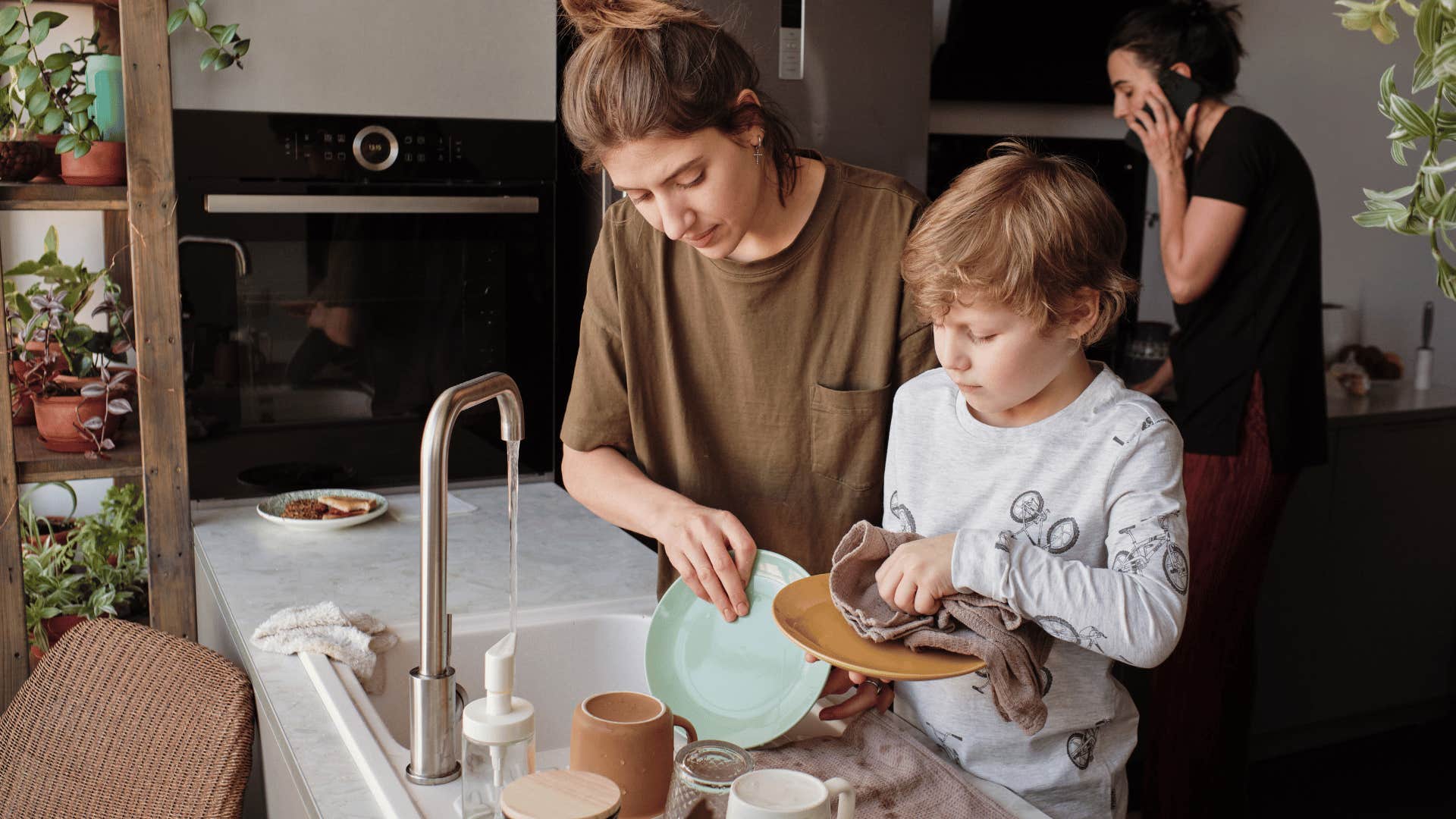
If you did chores and helped out around the house, you were probably a pretty great kid. While it was way more fun to take out every toy you owned than it was to put them back in their place, you understood that every member of your family contributed to the household, and picking up after yourself was a tangible way to help your parents out.
When kids do chores, they learn life skills that prime them for a successful future. Research from Harvard's 85-plus year multigenerational study found that kids who did household chores and had tasks to complete become happier, more successful adults.
“When kids don’t have the responsibility of chores, they have little resilience, little patience, become easily frustrated, have difficulty setting long-term goals and delaying gratification,” licensed counselor Bruce Cameron explains.
3. You shared your things
 FatCamera | Canva
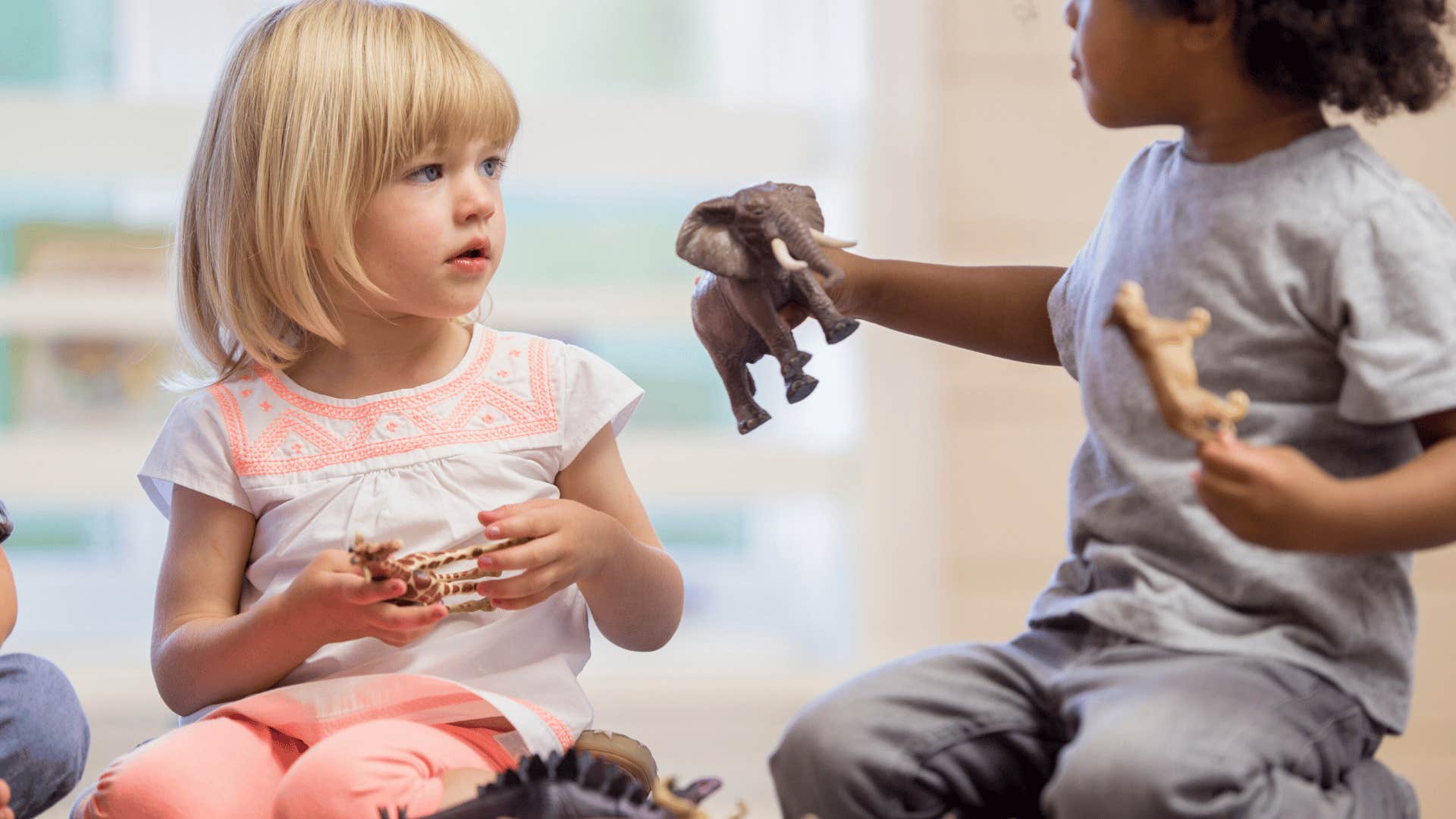
If you shared your things and took turns with toys, even when you wanted to play by yourself, you were probably a pretty great kid. Sharing is a crucial life skill, one that even adults struggle with. Learning to share requires kids to think beyond their own experience and cultivate patience, neither of which is especially simple to do.
According to experts at First Things First, an early education organization, kids develop the skills needed to share between the ages of three and four years old, yet the learning curve around sharing is steep, especially when kids are still young.
“We often want things from our children that they are not capable of doing,” Kat Willard, Senior Director of Family Support and Literacy said. “We need to remember that, relatively speaking, they just got here on our earth and have only been learning about the way our world works for a very brief period of time.”
Willard pointed out that parents can ease kids into sharing by “modeling the behaviors they want to see and by helping their child understand that other people have thoughts and feelings, too.”
At its core, sharing is about empathy. If you were able to channel your empathic superpowers when you were younger, you demonstrated just how emotionally mature and generous you were.
4. You played with your siblings
 FatCamera | Canva
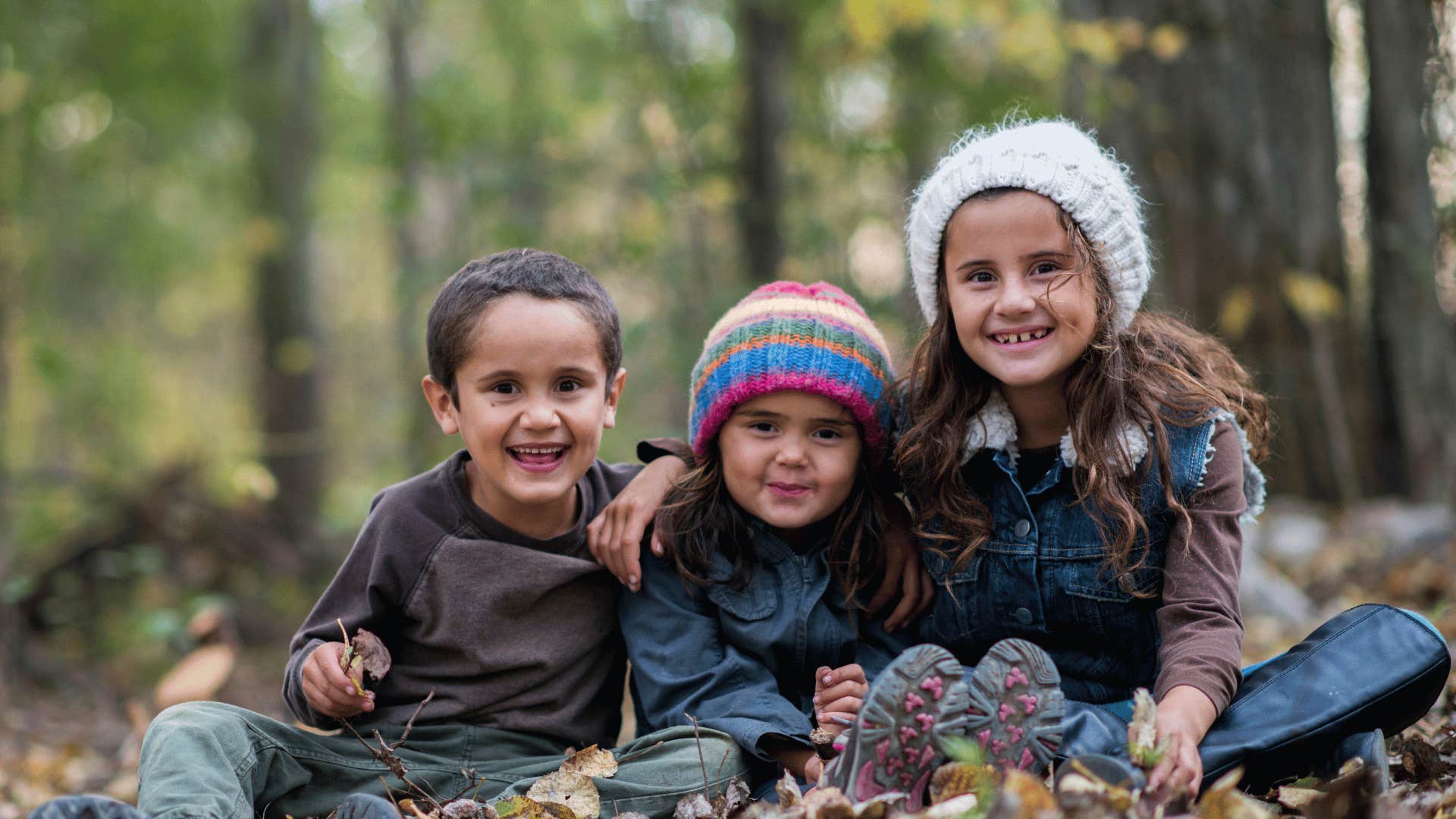
The sibling experience isn’t especially easy, but it helps kids develop social and emotional skills that serve them well for the rest of their lives. No matter where you landed in the birth order, playing with your siblings showed that you were a great kid.
Maybe your sister always had sticky hands, but you still let her use your special markers to color. Maybe your brother threw a fit every time he lost, but you still let him join your epic Uno games.
You might not have known it at the time, but siblings can ease the sense of existential loneliness we’re born into. No one but you and your siblings know what it’s like to be raised by your parents. Even if you drift apart, the bond you share with your siblings is profound, and it’s yours to keep.
5. You apologized without having to be forced
 Valeri Honcharuk via Canva
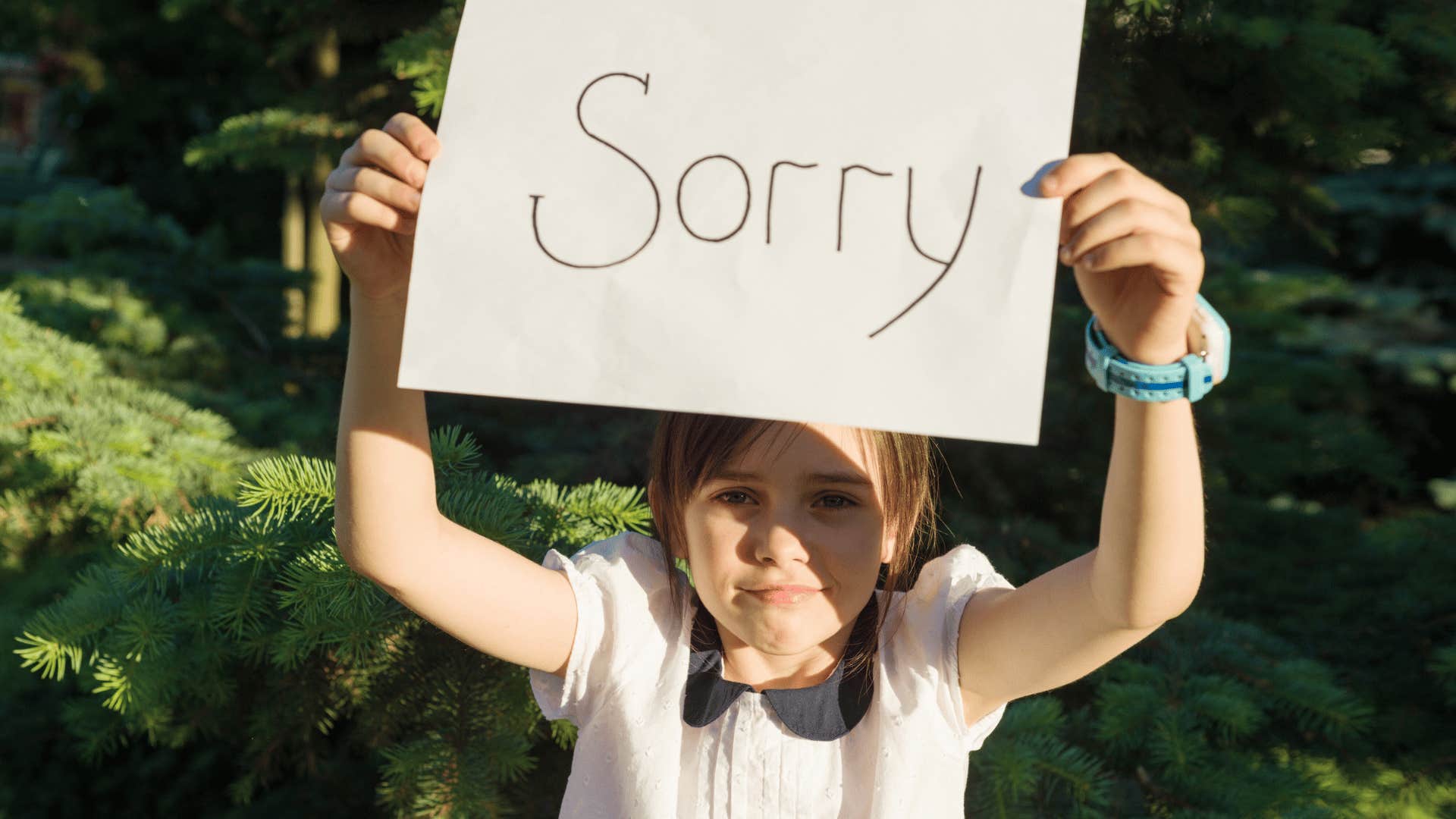
Learning to say you’re sorry is a skill that carries over into your adult life. If you were able to apologize in a sincere way, you were probably a really sweet kid. It shows you had high emotional intelligence at an early age, and that you understood that doing something wrong didn’t make you a bad person.
According to child psychologist Dr. Becky Kennedy, forcing kids to say they’re sorry hinders their ability to offer a genuine apology.
“Refusal to apologize is a sign of shame and a ‘freeze’ state” Dr. Kennedy shared. “When a person feels that their character is under attack, there is no way they will apologize for whatever led to such unmanageable ‘I'm a bad person’ feelings.
“Roll with their resistance,” she advised. “First lower the shame, then model repair.”
“This will allow your child to, over time, find their goodness under their bad behavior and to soon generate their own apologies,” Dr. Kennedy explained. “Trust the process.”
6. You stood up for yourself and others
 photosvit | Getty Images
If you had a strong moral compass from an early age and you were able to stand up for yourself without fear, you were a better kid than most. Learning to use your voice is often a lifelong lesson, one that involves amplifying your sense of self-worth and cultivating communication skills.
Self-advocacy in children is the act of “speaking up for yourself and your rights by communicating your thoughts, needs and preferences.”
The foundation of a solid self-advocacy practice comes from knowing who you are and what’s important to you, so that you can stand up for what you believe in. Self-advocacy requires setting personal boundaries and saying “no” to things that make you uncomfortable, which can be hard for adults, let alone kids. It also involves regulating your emotions and understanding why you feel the way you do.
Standing up for yourself is a lifelong journey, and if you started along that path when you were younger. This talent helps you also stand up for others, which is truly the mark of a great kid.
7. You treated other kids with kindness
 FatCamera | Canva
You didn’t only use your strong moral compass for your own benefit, you also let it guide your interactions with other kids. You centered compassion and kindness, even as a kid. You understood that the golden rule is more than a lesson you learned in kindergarten, rather, it’s an essential truth of the shared human experience.
You were nice to other kids, but that’s not all. You validated their feelings and held space for them, long before you know what the emotional impact of those actions meant. You knew that we’re only as good as the connections we have with other people, and that’s what made you a great kid.
8. You didn’t give in to peer pressure
 SDI Productions | Getty Images
Standing up to peer pressure is one of the biggest challenges kids face. According to the American Academy of Child and Adolescent Psychiatry, “Kids often give in to peer pressure because they want to fit in. They want to be liked and they worry that they may be left out or made fun of if they don't go along with the group.”
You learned to reject peer pressure, in part because you relied on your values to guide your decisions. Your parents taught you to listen to your intuition and to trust yourself. They encouraged open conversations and created a safe family environment, so you knew you could go to them for help.
You stood by your convictions and didn’t bend to what other kids wanted you to do. You had the confidence to know that what mattered most was how you felt about yourself, not what other kids thought of you.
9. You let yourself dream
 Choreograph | Getty Images
Our younger years were a time of infinite possibility. The world felt like it was ours for the taking, which captured the optimism and hopefulness that only kids have. If you got lost in your own imagination and dreamt up a thousand variations of your future, you were a truly awesome kid.
Letting yourself dream was a sign that you were passionate, that you believed in yourself and your abilities. Sure, some of your dreams seem silly now, and you know you’ll never be a rockstar or a prima ballerina, but you can still channel all of the confidence and positive energy that the younger version of yourself had.
10. You were a good friend
 Gpoint Studio via Canva
Being a good friend is often considered a “soft skill,” when in reality, it’s one of the most important roles you’ll ever have.
According to a study published in Child Development Perspectives having supportive, high-quality friendships in adolescence is related to positive developmental outcomes and mental health for years to come. Having friends means more to teens than just having someone to hang out with, friendships also fulfill their need for “trust, intimacy, attachment, and emotional support.”
Adolescent friendships improve academic achievement and overall well-being while lowering symptoms of depression and protecting against risky behavior and victimization. The benefits of having good friends as a teenager extend beyond those tender developmental years, as they can lead to lowered death rates and a longer life.
11. You loved your family
 Aleksander Nakic | Getty Images Signature
You might not have told your parents as much at the time, but you were probably a great kid because of how much you loved them, then and now. Sometimes your parents didn't even deserve the love you had for them, but still, your little heart adored them.
Maybe you rolled your eyes and declared your parents embarrassing just for breathing, especially as a teenager. Maybe you complained about spending time together and looked for every excuse to get out of the house.
The truth is, if your parents made your childhood a safe place to land, then you likely felt like you could survive seriously tough stuff. Their love and support let you spread your wings and explore the world around you, because you knew you could always return home and find them waiting, ready to embrace you.
Alexandra Blogier, MFA, is a staff writer who covers psychology, social issues, relationships, self-help topics, and human interest stories.
