
11 Subtle Signs You Raised The Kind Of Man You Hoped Your Son Would Be
 goodluz / Shutterstock
 When you’re raising a son, you don’t always think in terms of future milestones. You think in terms of daily decisions, such as how you respond to his frustration, how you model respect, and how you hold boundaries without crushing his spirit. Most of the work feels invisible at the time. There are no immediate results, just repetition and hope.
Years later, though, the signs start showing up quietly in the way he moves through the world. Developmental research consistently shows that modeling, emotional responsiveness, and consistent expectations shape adult character more than any single rule ever could. If your son displays these behaviors now, there’s a strong chance you planted those seeds long ago.
Here are 11 subtle signs you raised the kind of man you hoped your son would be
1. He treats women with consistent respect
 chomplearn / Shutterstock
Respect isn’t performative for him. It shows up in small moments, including how he listens, speaks, and responds to disagreement. Children internalize what they observe at home.
If he saw healthy boundaries and mutual regard modeled early, he absorbed it. He doesn’t interrupt to dominate. He doesn’t belittle others to feel powerful. He values perspective, even when he disagrees. That kind of steadiness rarely develops by accident. It usually reflects what was normalized in his upbringing.
2. He takes responsibility without being forced
 Krakenimages.com / Shutterstock
When he makes a mistake, he owns it. He doesn’t scramble to shift blame or rewrite events. Children raised with consistent accountability develop stronger internal moral compasses.
If he apologizes sincerely and adjusts his behavior without prolonged defensiveness, that signals maturity. You likely corrected his behavior without attacking his identity. Over time, that distinction matters. Accountability becomes part of who he is. Responsibility feels natural, not imposed.
3. He regulates his emotions instead of suppressing them
 Miljan Zivkovic / Shutterstock
A man who can feel anger, sadness, or frustration without exploding or shutting down reflects emotional modeling. Children learn emotional stability from how caregivers respond to their big feelings.
If you helped him name emotions instead of dismissing them, he likely developed stronger regulation. He doesn’t confuse vulnerability with weakness. He can express disappointment without aggression. That balance signals strength. Emotional literacy in men is built, not assumed.
4. He stands up for people who aren’t in the room
 pics five / Shutterstock
Integrity reveals itself in the absence. If your son defends someone who isn’t present to defend themselves, it shows moral clarity. Research on empathy development suggests that perspective-taking grows when children are encouraged to consider others’ experiences.
He doesn’t participate in mockery to gain status. He values fairness over popularity. That instinct reflects internal standards. You likely modeled consistency between words and actions. That alignment leaves a mark.
5. He respects boundaries, including his own
 Krakenimages.com / Shutterstock
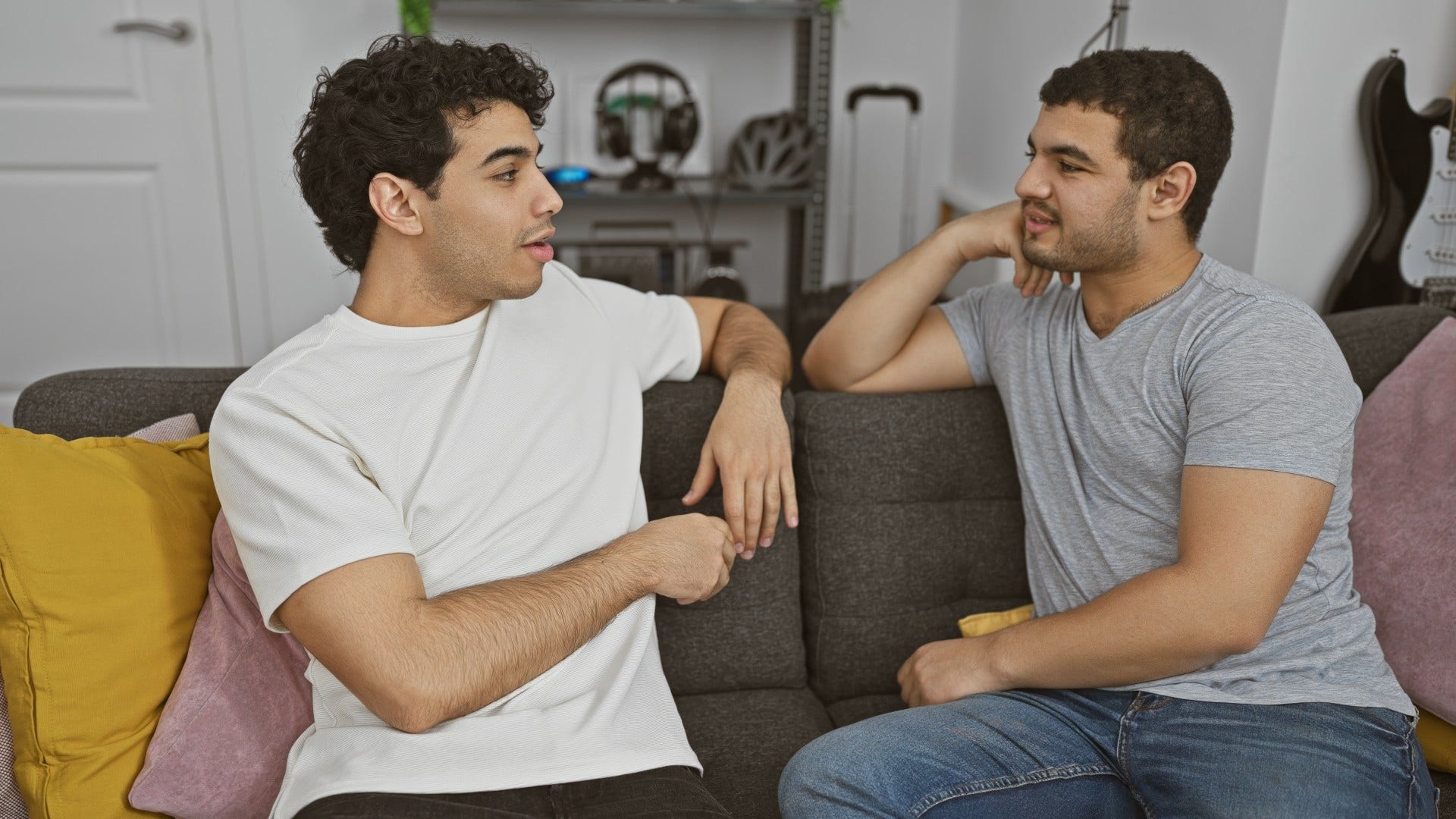
A healthy man knows when to say no. He doesn’t bulldoze over other people’s limits, and he doesn’t allow his own to be ignored. Studies on authoritative parenting, which is warm but firm, consistently show better boundary recognition in adulthood.
If he understands consent, space, and respect intuitively, that foundation was laid early. Boundaries weren’t chaos in your home. They were steady. He internalized that structure. Now it guides him.
6. He keeps his commitments
 Dmytro Sheremeta / Shutterstock
Reliability isn’t flashy, but it’s foundational. If he shows up when he says he will and follows through on responsibilities, that signals discipline. Research on executive functioning links early household expectations with adult dependability.
Chores, routines, and accountability shape long-term habits. If commitment feels normal to him, it likely felt normal growing up. You probably modeled consistency. That repetition matters.
7. He is comfortable apologizing without collapsing into shame
 Pixel-Shot / Shutterstock
There’s a difference between guilt and shame. If he can admit wrongdoing without spiraling into self-hatred, that suggests healthy emotional framing. Individuals raised in supportive environments tolerate correction better.
You likely corrected behavior while preserving his sense of worth. That nuance matters deeply. Now he can repair without self-destruction. That is emotional strength.
8. He doesn’t feel threatened by strong women
 simona pilolla 2 / Shutterstock
If he values intelligence, ambition, and independence in women, that signals security. Men raised in environments where women are respected are less likely to equate power with dominance.
He doesn’t shrink when challenged. He engages. He admires rather than competes unnecessarily. That confidence usually grows from seeing healthy dynamics modeled early. Respect felt normal, not optional.
9. He handles stress without lashing out
 AYO Production / Shutterstock
Stress reveals character. If he copes with pressure without blaming, exploding, or shutting down entirely, he learned regulation somewhere. Children absorb coping strategies from caregivers.
If you handled difficulty with steadiness rather than chaos, he likely mirrored it. He may still struggle sometimes, but he recovers. That recovery speed matters. Emotional stability is trained over time.
10. He expresses gratitude openly
 Studio Romantic / Shutterstock
Gratitude reflects humility and awareness. If he thanks people sincerely and notices effort around him, it signals empathy. Research on gratitude shows strong links to well-being and relational stability.
Children who observe appreciation modeled frequently internalize it. If gratitude feels natural to him, it was likely practiced at home. That habit strengthens every relationship he enters. It signals grounded character.
11. He still values your voice in his life
 ElenaKaretnikova / Shutterstock
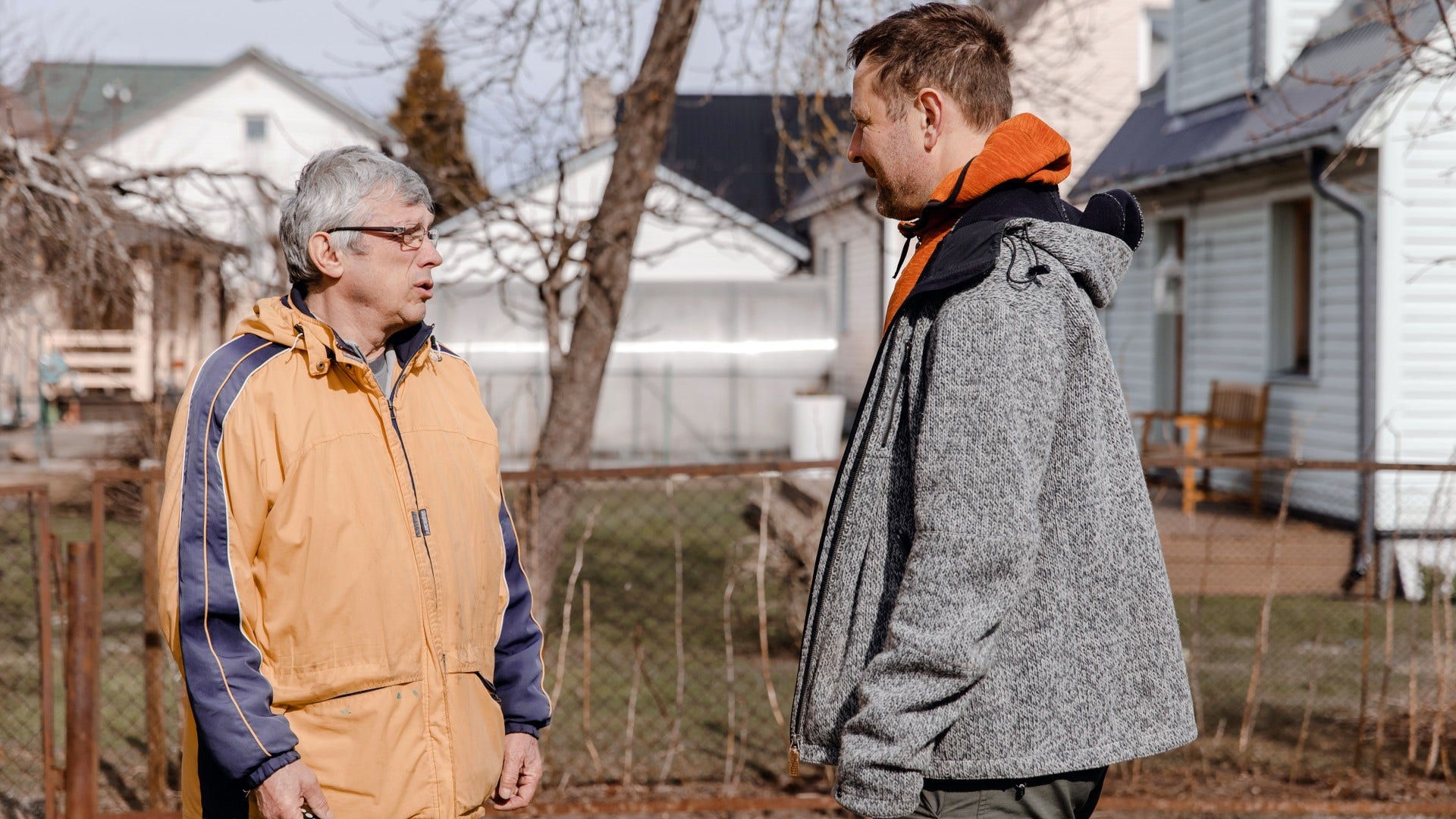
Perhaps the quietest reassurance is continued connection. If he seeks your advice or shares parts of his world willingly, trust remains intact. Secure bonds evolve rather than disappear. He doesn’t rely on you out of obligation. He values your perspective because it shaped him.
That voluntary closeness reflects safety. It suggests that your presence felt steady, not conditional. If he carries your lessons and still welcomes your guidance, you likely raised the kind of man you hoped he would become.
Sloane Bradshaw is a writer and essayist who frequently contributes to YourTango.
