
People Who Saw Their Parents Do These 9 Things Growing Up Are Way Less Glued To Their Phones Now
 Dario Rawert | Pexels
 Research has found that dependence on smartphones can produce brain responses similar to drug, alcohol, or gambling use. It is a powerful habit to break. When we turn to our phones because we feel lonely or disconnected, we have a problem. When we can’t unplug or are lost without our phones, we are hooked. When we sleep with our phones and check our phones first and last thing each night, there’s an issue.
And now it is affecting how we parent. A study shows that parents who reported problematic use of cell phones, including checking them often, feeling lost without them, and turning to their phones when they felt lonely, reported that their relationships with their kids were interrupted. These interruptions led kids to act out, show aggressive behavior, or turn their feelings inward.
Technology is changing the way we interact, the way we parent, and the way we connect with our kids. It is a delicate balance to strike: smartphones can keep us connected, and smartphones can interrupt our relationships. As parents, we are aware of the pitfalls of too much screen time for our kids, but we forget that we, too, are at risk for all the same concerns we have for our kids: too much time on our phones can lead to anxiety and depression, distraction, lack of sleep, alienating others, and interrupted family time.
Our kids are watching us — and parents who model these behaviors tend to raise kids who won't spend the rest of their lives glued to their phones. We can lecture our kids until we’re blue in the face, but until we model healthy boundaries with our phones, our lectures will be in vain. We must lead by example. The price is too high. We can’t afford to make our kids feel any more anxious and alienated. Our kids need us, our families need us.
People who saw their parents do these 9 things growing up are way less glued to their phones now:
1. They set screen time limits
 Diva Plavalaguna / Pexels
Look into apps that lock your phone or tell you if you’ve gone over a self-imposed limit. Better yet, unplug or turn off your phone altogether. Without the bells and whistles, reminders, and vibrations, it will be easier to resist temptation. Studies show that when people use apps that set screen time limits, they actually cut back on their phone use significantly. Turns out we're all overusing our smartphones because willpower alone just doesn't cut it, so these commitment tools work way better than trying to white-knuckle it through temptation.
2. They charged their phones in another room at night
 Rann Vijay / Pexels
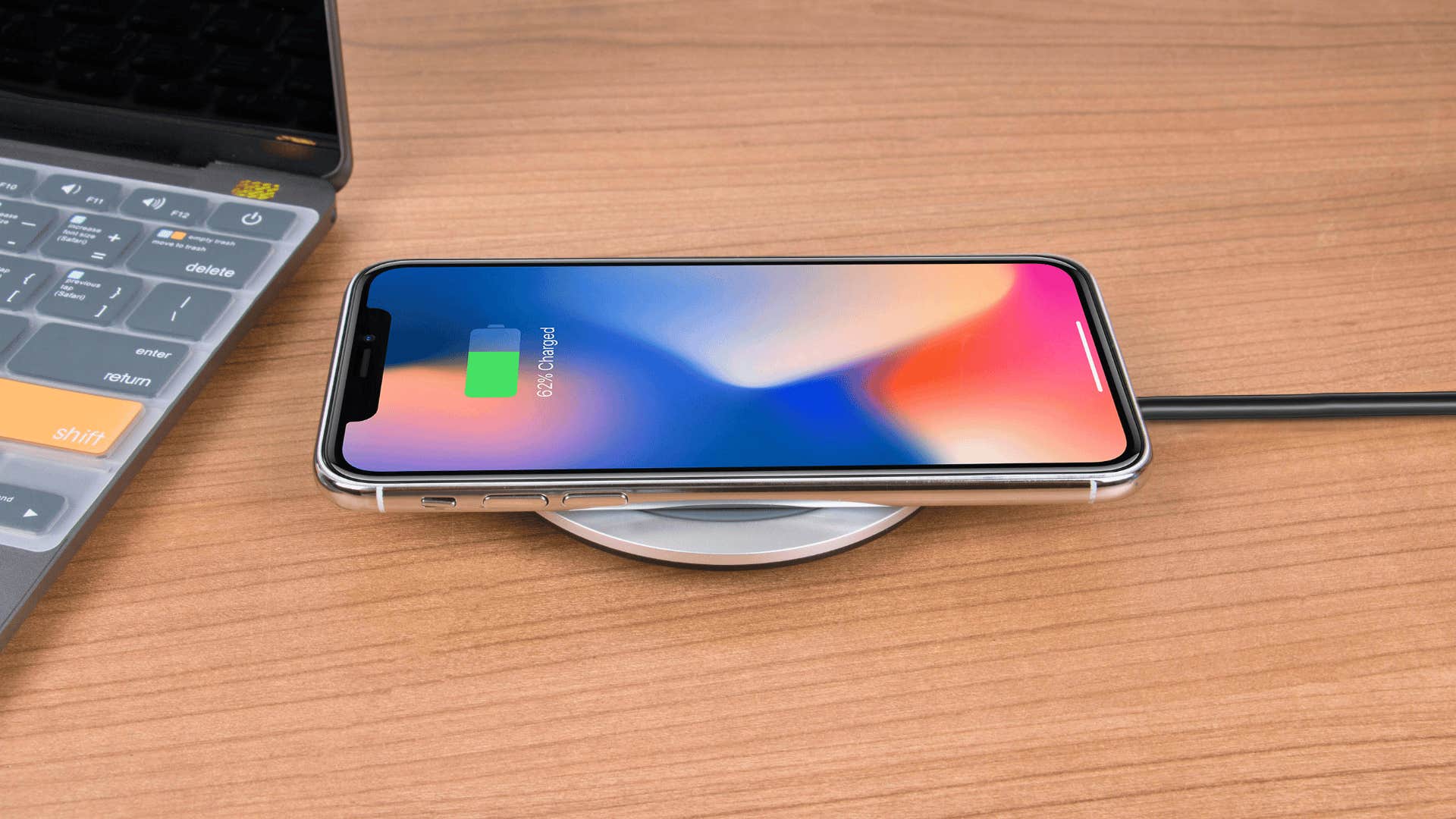
Yes, this may mean having to use an old-fashioned alarm clock, but not checking your screen first and last thing each day helps you sleep better. Our brains need an hour before bed without the blue wavelength light of a screen in order to signal to our brain that it is time to sleep. Research found that over 95% of people keep their smartphones in their bedrooms and most use them regularly at night, which researchers say seriously messes with sleep quality. Keeping devices out of the bedroom leads to better sleep, even if it means dusting off an old-fashioned alarm clock.
3. They kept notifications turned off
 Karolina Grabowska www.kaboompics.com / Pexels
Simplifying is the easiest way to reduce temptations. According to one study, phone notifications distract you no matter whose phone it is or what you're doing, and they slow down whatever task you're working on. Those little pings and buzzes grab your attention immediately and mess with your ability to focus, so turning them off is the simplest fix.
4. They removed social media apps from their phone
 Pixabay / Pexels
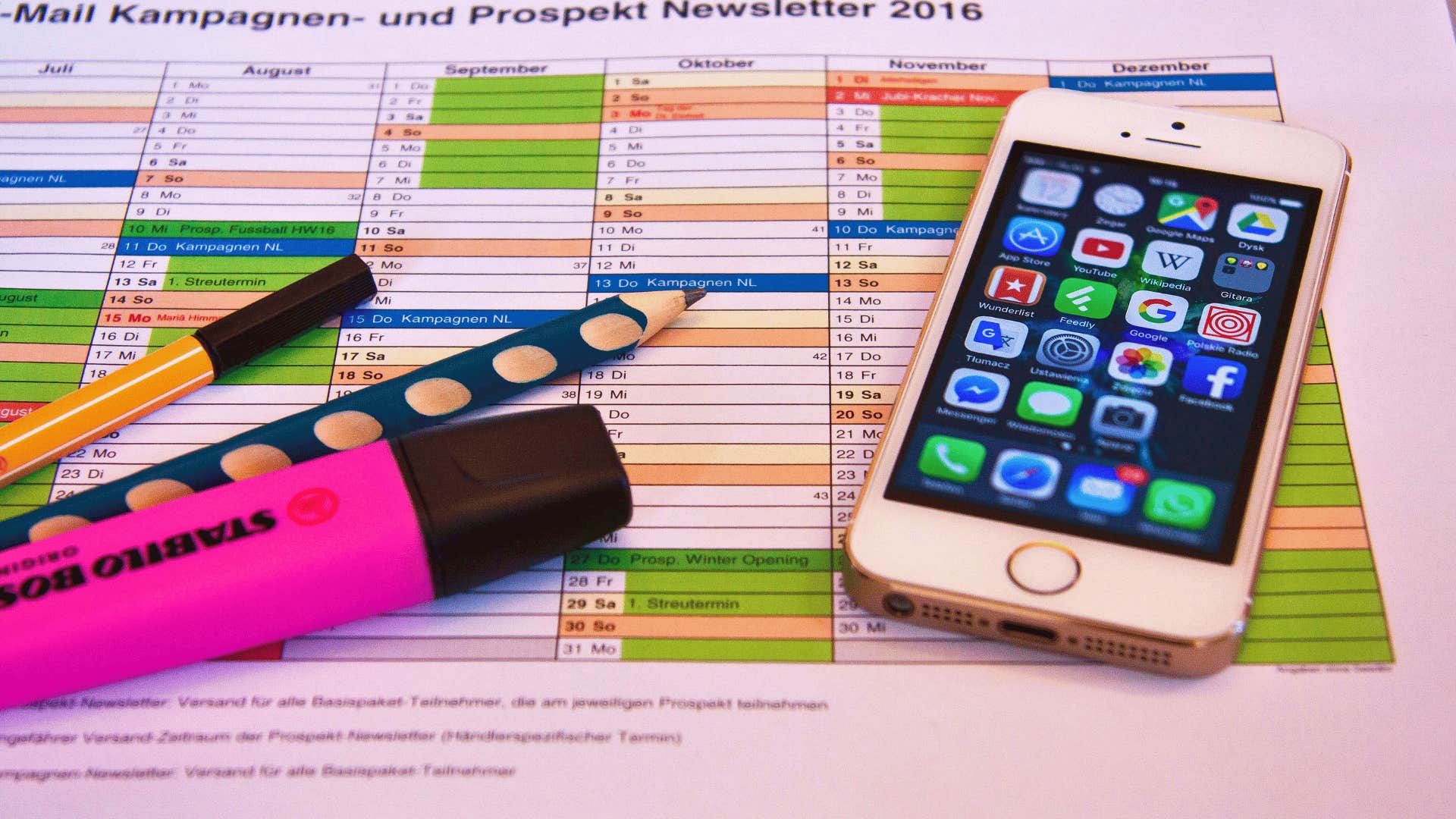
The effort to sign back in or reinstall the app on your phone gives you a pause to rethink your choices and how you're spending your time. Social media can keep you hooked, as we all know — all of that validation and social interaction. You know this, but as a reminder, the social interaction with your child is more important and ultimately more fulfilling. Call or text a friend later if you need non-kid social stimulation.
5. They left their phones in their bags when they got home
 Alina Matveycheva / Pexels
Leave the sound on so you can hear a call if you need. Carrying your phone around makes it easier to be distracted and sends a powerful message to your kids that your phone is your most loved possession. Research shows that just having your smartphone nearby eats up your mental energy, even when you're not actually using it. Your brain is basically working overtime just knowing your phone is there, so keeping it out of sight actually helps you think more clearly.
6. They didn't Google every little thing
 Karolina Grabowska www.kaboompics.com / Pexels
How many times has a good conversation come to a screeching halt when someone had to prove someone else wrong or instantly search for an answer? Instead, enjoy the moment, use your critical thinking skills, and have a bit of fun guessing what the answer is. Finish your conversations and keep connected. Search the web after your conversation has ended.
7. They made the dinner table a phone-free zone
 fauxels / Pexels
Connect with your friends, family, or fellow diners. Meal time should be a non-negotiable, gadget-free zone. Studies watching families eat together found that when parents actually put their phones away, kids jumped into the conversation way more. When the phone wasn't competing for attention, kids felt like they actually mattered more than whatever was happening on that screen.
8. They planned ahead for boredom
 Arina Krasnikova / Pexels
Make a list of things you can do when you are bored, when you are used to checking your phone: Write a letter, call a friend, finish a project, clean out a drawer, read a book, play a quick game with your child. Not every moment of a day needs to be filled. Sometimes, the best thing we can plan to do during downtime is to simply smile at someone across from us or stare into the clouds and ponder.
9. They rewarded themselves for screen-free time
 Ketut Subiyanto / Pexels
For every successful self-imposed chunk of time you spend unplugged, reward yourself with points. When you reach a certain amount, celebrate by taking a family trip to the park or ice cream shop. Allow your kids to get in on the fun by reminding you when you slip up. Respect them when they do. Increasingly, our reliance on smartphones is bringing anxiety and disconnection to our lives. Break the habit and reclaim family time.
T-Ann Pierce is a transformational life coach who helps empower parents to create healthy relationships with their children.
