
Parents Whose Kids Are Always Polite Have 5 Clever Ways They Teach Good Manners
 SeventyFour / Shutterstock
Parenting requires creativity. To get the best possible outcomes, you have to adjust your parenting choices to match your child's personality and how they learn best. You can read a million books on how to parent correctly, but you’ll probably still never get it 100% correct. Still, parents who manage to raise extremely well-mannered and polite kids have often found that these techniques work particularly well.
Parents whose kids seem to always be polite often have these clever ways of teaching them good manners:
1. They make teaching etiquette a game
Game-based learning is highly effective when it comes to motivating and engaging kids. As kids fully immerse themselves in the lesson, the social interaction and emotional rewards tend to have big pay-offs in the long run.
Teacher Suzanne Swezea created a game called Mrs. Manners Says that she plays with her students. Most kids know the game Simon Says, and this fun twist is specific to teaching them how to be polite. First, she shares several examples of both good and bad manners. Then, she asks kids to listen to some additional examples and give a thumbs up if they think the suggestion is good manners or a thumbs down if they think the suggestion is bad manners.
2. They play restaurant at home
 SolStock from Getty Images Signature via Canva
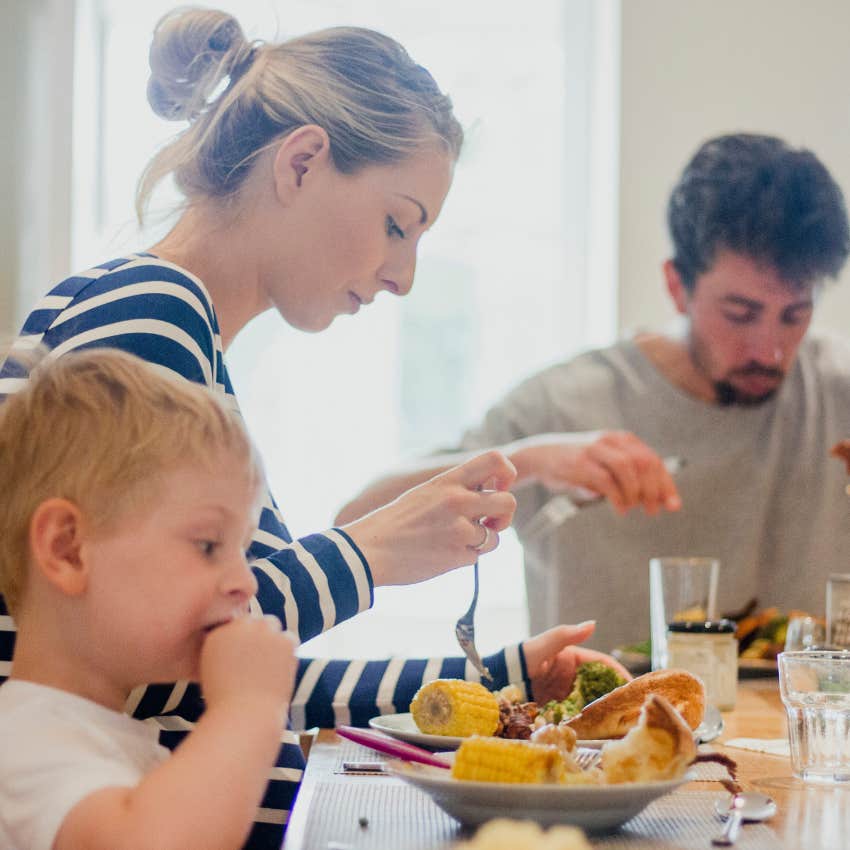
Another fun game for kids is restaurant night. I can tell you for a fact I would have loved this as a kid. The kids help set the table and then practice ordering food and using their utensils correctly. This is also a great opportunity to practice holding a conversation at the dinner table.
Kittie Butcher and Janet Pletcher explain that “if we want our children to use good manners at special events, then we must make them part of our daily routine. It is easier for children to learn something if it is practiced regularly.”
3. They host regular family meals
There are many benefits to having family dinner every night, although only 29% of American families report eating together at least three times a week. There are many reasons for this, as people get busy and work late hours. If possible, though, make an effort to have family meals.
Elaine Swann, a nationally recognized etiquette expert, explained that family dinners are a chance to model manners and have your kids replicate them. When they get an opportunity to see you handle yourself politely on a regular basis, they naturally follow suit.
4. They use sign language with them when they're babies
Sign language is a creative way to help babies ask for what they want and start practicing good manners. Research has shown that parents who start teaching ASL to their babies lower their levels of frustration, support their ability to communicate through oral language later, reduce the incidence of tantrums, and improve the parent-child bond overall.
It may seem complicated if you don't already know how to sign yourself, but it only takes learning a few basic signs to start your child on a smooth path to more collaborative, calm conversational manners.
5. They write thank-you notes to their kids
 SDI Productions from Getty Images Signature via Canva
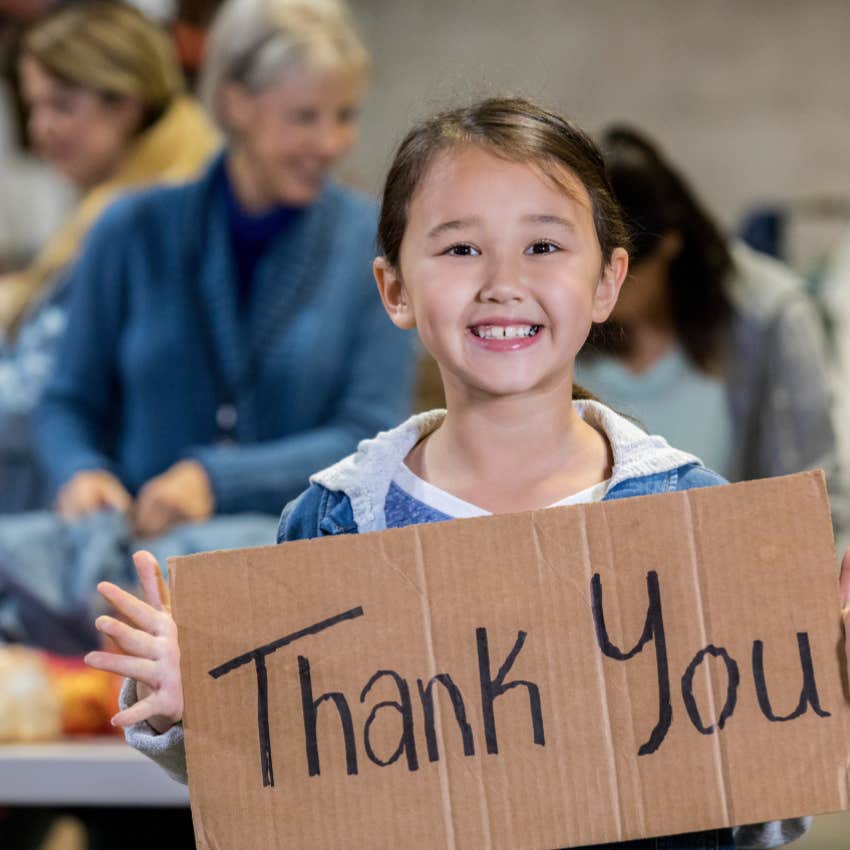
Thank-you notes don't only have to be for gifts, and kids aren't the only ones who should write them. When you give your own children thank-you notes for practicing the good manners you've been working on or doing something especially kind, they get first-hand experience of how good it feels to receive that kind of acknowledgment.
For example, if they hold the door open for you without being asked, you can write them a thank-you note expressing how proud it made you feel to see them be considerate of another person. Letting them know they did a good job makes them feel appreciated and reinforces the importance of doing the same thing for others.
Sophie Bagheri is a writer with a bachelor’s degree in English and theatre who covers lifestyle topics.
