
Parents Who Mean Well But Still Deeply Hurt Their Kids Often Say 6 Phrases In Casual Conversation
 Aa Dil | Canva
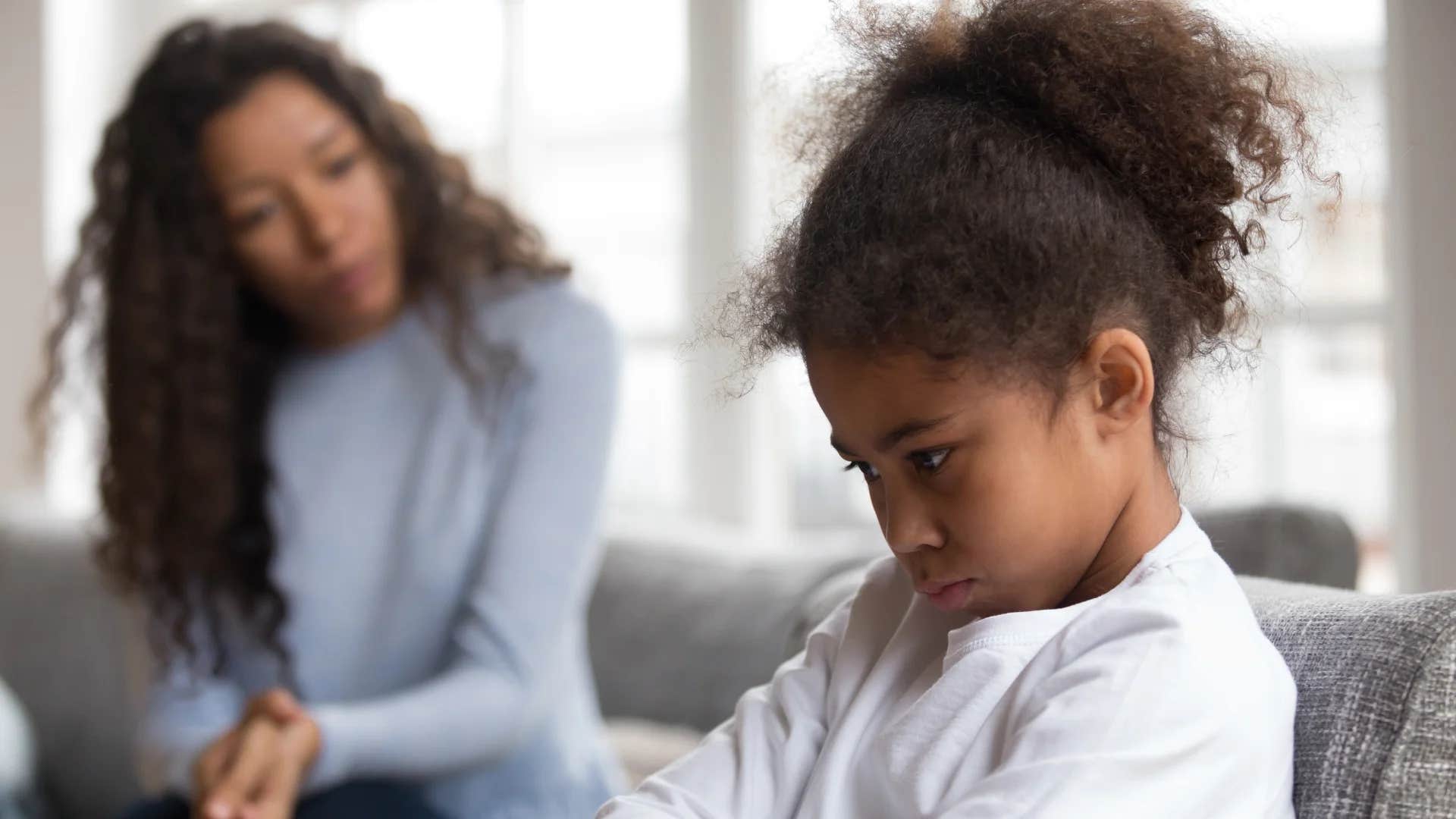
 Do you ever feel guilt and regret for something that you've said to your child? The words that just came out of your mouth sounded as if they were from an alien being (and even more awful, perhaps like some of the things your mother once said to you, and you vowed you would never say), and there is no way you would speak like that to your best friend!
Parenting experts Adele Faber and Elaine Mazlish, authors of How to Talk So Teens Will Listen and Listen So Teens Will Talk, tell a story of a girl in her late teens who had borrowed the family car. The father always insisted that she return the car with the gas tank full. He was also a real stickler for punctuality, so the girl faced a problem when she had to get home for a family event and found herself short of time.
Should she fill up and risk being late, or arrive on time with a not-full gas tank? In the end, she gambled, filled the tank, and still made it home on time. She was so relieved that she raced in and said, 'Dad, I'm home on time, and I've filled the car with gas!"
She was met with, "Did you put oil in it as well?" We parents get into the habit of noticing what's wrong with our children's behavior, and we often don't notice what they're doing right. It can feel very hard for kids to win parental approval, and sometimes they stop trying.
So, what are the things we say that don't show respect and don't motivate our children? The language we use with our kids is crucial to developing a strong sense of self-worth, but when our buttons get pressed, we say things that, if a friend said them, would make us rethink the friendship.
Parents who mean well but still hurt their kids often say these things casually:
1. 'You're so... X'
 DimaBerlin | Shutterstock
It is so easy to start labeling children as lazy, silly, naughty, or selfish. The more we label our children, the more they believe what we are saying and take it on as part of their identity. It becomes a self-fulfilling prophecy. That is why ideas such as "the naughty step" can be positively damaging to our children.
2. 'I'm so disappointed in you'
 fizkes | Shutterstock
This is a damaging statement. It's not always obvious, but our children crave our approval, and this phrase makes it clear they don't have it. The connotations underlying this are, "what a failure you are."
3. 'I'm proud of you'
 Halfpoint | Shutterstock
You're probably wondering what's wrong with this statement. It's not the worst thing you could say to a child. We've all said this when our child returns from school clutching a medal or certificate; we are genuinely thrilled for their success. However, it's vital that we encourage our kids to value themselves, not depend on our evaluation of them. Encourage them to assess their achievements, saying: "What did you do today that you were proud of?" or, "You should feel proud of yourself for doing that."
4. 'If you do X, you can get Y'
 fizkes | Shutterstock
When trying to get kids to do something, we often say, "If you tidy up your toys, you can watch TV." "If" implies it is optional. Replace "If" with "when" and you get a completely different response. "When" implies trust that they will tidy up, and once they do, they will have earned their screen time.
5. 'Great job, but...'
 Zoteva | Shutterstock
When you put "but" in a sentence, it negates what came before it, and your child hears only the "but" and the negative that follows. "Looks as if you have made an effort to tidy the toy room, Laura, but you have put the Lego bricks in the wrong place again." Instead, you can say: "Hey Laura, good on you for tidying up the playroom all by yourself! Do you remember the new place we have for the Lego bricks that keeps them safe and away from the baby?"
6. 'You're so smart'
 AstroStar | Shutterstock
Studies show that "clever boy" praise can harm kids. Children praised for intelligence perform worse on tasks than children praised for effort and attitude.
Words are powerful and shape experience. As parents, we try to use our words to encourage good behaviors and build a strong sense of self-worth. If we get it wrong, we can apologize.
"I'm so sorry I yelled at you and called you lazy. You're not lazy. I felt frustrated and worried that we would be late. This morning, when we were rushing to leave the house, I didn't tell you how much I appreciate you helping your sister get ready. She loves it when you brush her hair."
Be honest. We've all done and said things we later regret. In our practice, we call them LPMs (low parenting moments), and it’s quite cathartic to share them.
BlogHer is the leading cross-platform media network created by, for, and with women social media leaders.
