
Parents Who Unintentionally Gaslight Their Kids Usually Say 10 Casual Phrases
 pics five | Shutterstock
 Parents know all too well how difficult it can be to stay level-headed during an intense moment with the kids. Without even realizing it, they may say things from a place of stress that can profoundly impact their kids. In particular, some common phrases parents say to their kids are actually considered gaslighting.
Often, they heard these things growing up. It’s a curious moment when they recognize that, without even trying, they’ve slipped into using the same phrases or mannerisms that were used on them by their parents. Children need to know their feelings are heard, and when parents dismiss them with gaslighting phrases, they become understandably confused and frustrated.
Parents who unintentionally gaslight their kids usually say these things casually:
1. 'You’re fine, just shake it off'
 Prostock-studio / Shutterstock
While it can be annoying to listen to your kid have a tantrum or throw a fit, they often don't do it just to make noise. They are often in a place of emotional distress or physical pain and cannot quite express it. Telling them “you’re fine” only makes it worse.
“Many adults and parents don’t realize the emotional harm that these two simple words can cause,” mental health counselor Rachel Tuchman shared. “Telling our kids to suppress their emotions causes them to miss out on opportunities to learn some really important life skills. Forget the fact that this never works; the harm it causes is real and often long-term.”
Instead of saying “you’re fine” to an obviously distressed child, Tuchman encourages dads and other parents to validate their feelings. They should aim to say things like, "You're really upset and it's okay to feel upset,” and “I’m listening to you” to make them feel truly heard.
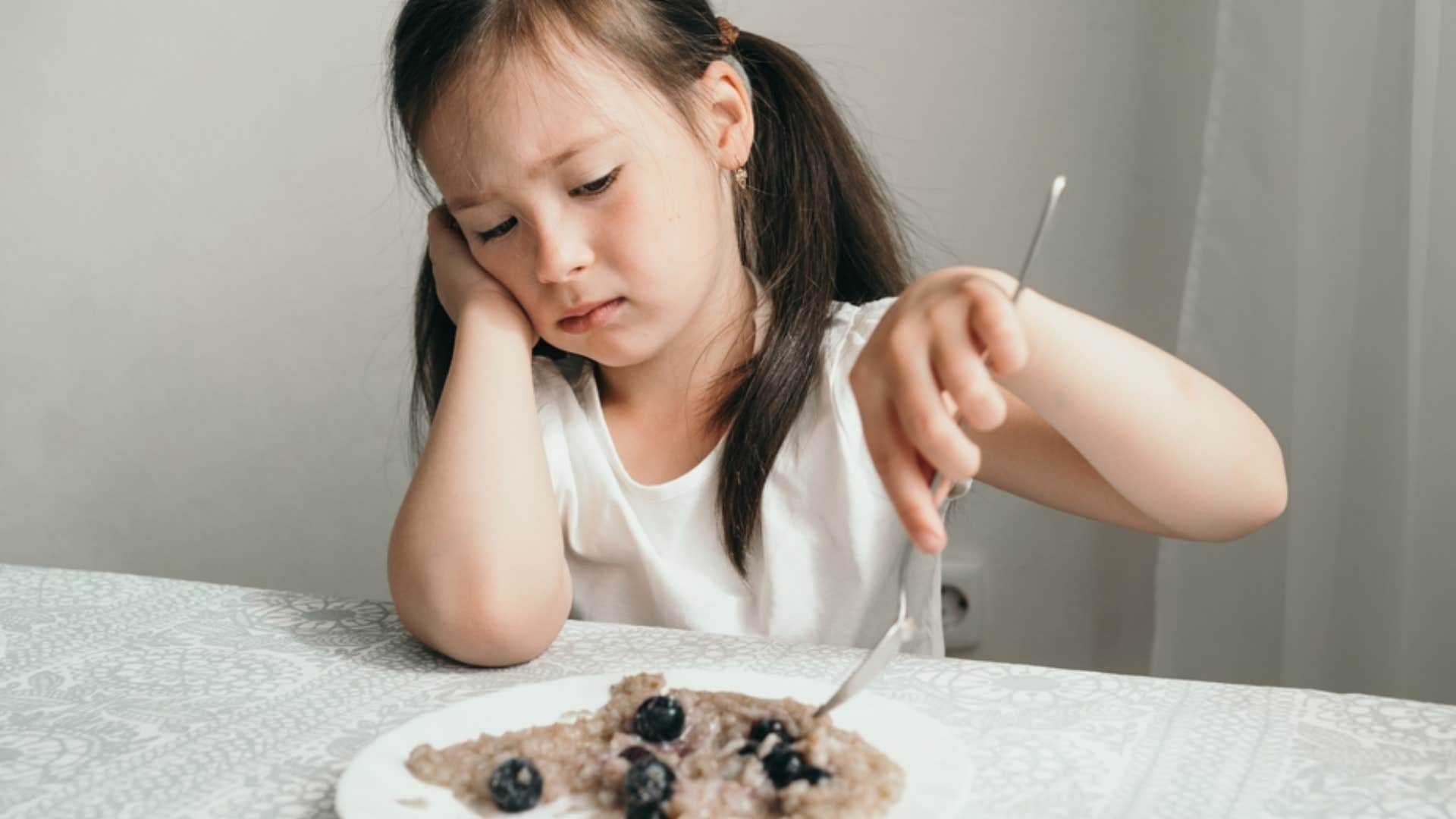
2. 'You can’t be full. There’s still food on your plate'
 Yourcontentstock / Shutterstock
If you grew up with the “you must finish your entire plate” rule, you may pass it on to your kids without realizing the harm it can cause. Children know when they are full and when to stop eating. Forcing them to clean their entire plate can hinder their ability to recognize hunger cues and potentially lead to unhealthy habits.
“Requiring children to eat everything on their plate, or withholding dessert unless all other foods are eaten, can lead to overconsumption, especially if portion sizes are too large for the child's age,” pediatrician Susan Woolford, M.D., told Michigan Medicine.
Instead of forcing children to consume everything that is on their plate in one sitting, parents should understand when they are full and suggest saving the rest for another time. Your children will still get all the nutrients they need if you prepare healthy meals most of the time; they may just not want everything all at once.
3. 'You can’t be cold. It’s hot outside'
 Asada Nami / Shutterstock
Despite outdoor temperatures, some people may struggle to regulate their internal body temperature and may need extra layers even when it's hot for others. When children feel too hot or too cold, it can be a recipe for disaster if they don't have a warm jacket or access to air conditioning.
They are going to be cranky and miserable if their parents do not truly acknowledge what they are feeling. Even if you're not cold, that doesn’t mean your child isn’t. Instead of telling them what they do and don’t feel, offer them something that would make them more comfortable.
4. 'You’re making me so frustrated right now'
 Olena Yakobchuk / Shutterstock
Even if our children push our buttons as no one else can, they may feel just as frustrated as they make us feel and can't express it well. This only leads to more frustration for both of us. According to experts at Gordon Training International, when children are blamed for their parents' emotions, they feel responsible for how their parents feel and think it is up to them to make them feel better.
Parents’ emotions are not something their children should be expected to carry. It is a parent’s responsibility to collect themselves and manage their frustrations. There is nothing wrong with letting your children know you need a few moments to gather your emotions, but that it is not their fault you feel a bit overwhelmed.
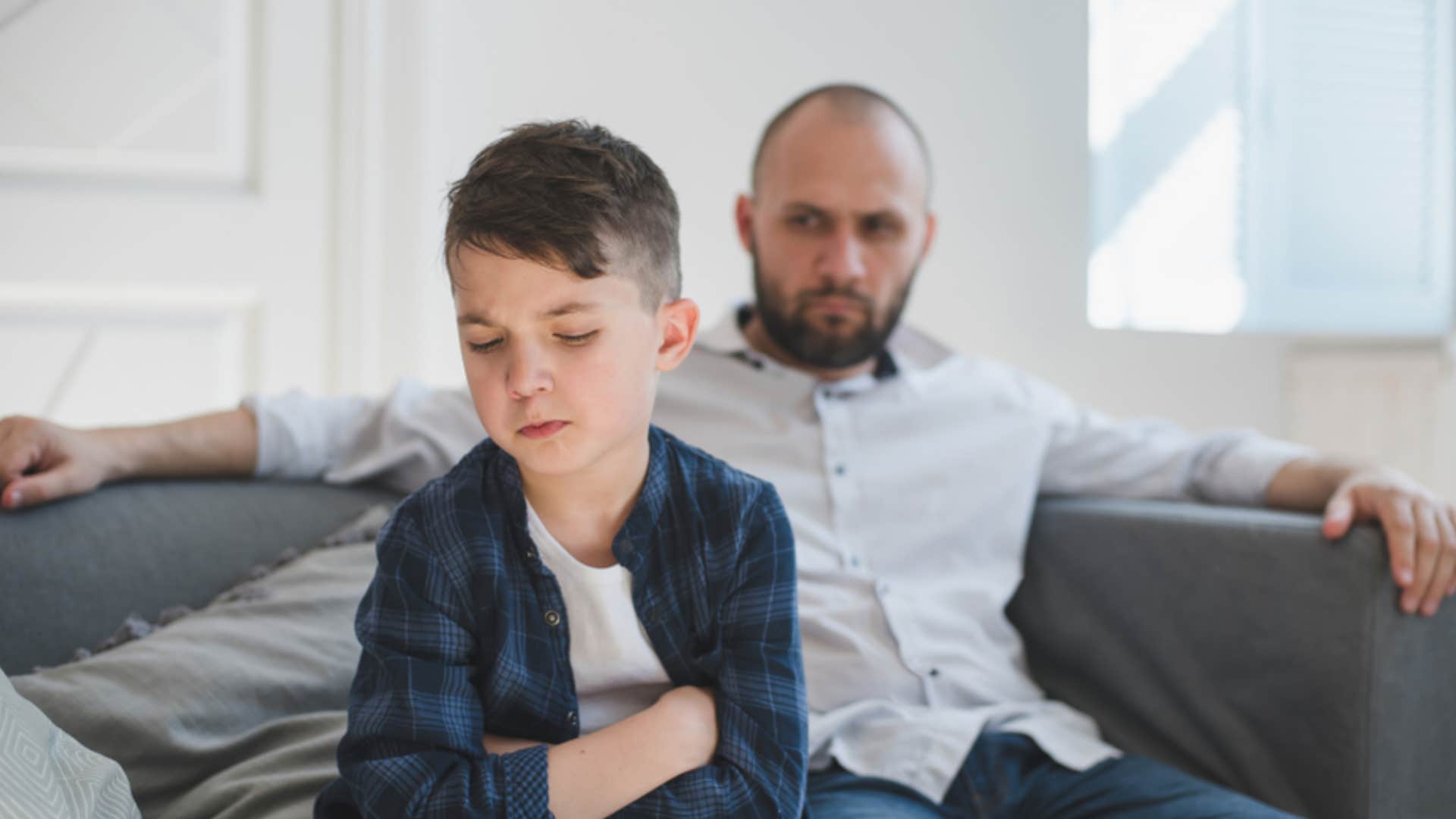
5. 'That’s not what happened. You’re remembering it wrong'
 Olena_Honcharova / Shutterstock
No matter what a parent may be referring to here, this phrase alone is gaslighting at its finest. It denies the child’s version of events and their perception of reality, making them question their judgment and memory even if it happened exactly as they remember.
If you are a parent who genuinely remembers the event in question differently, sit your child down and talk to them about it. Let them know their feelings are valid, and while you don't believe they are lying, your perspective on the event may be slightly different.
6. 'You should know better by now'
 fizkes / Shutterstock
Children are ever-changing, mysterious creatures. They all grow at their own pace. Even if you believe they should be acting a certain way by a certain age, your expectations will not always be met. Telling a child they should know better places blame on them, making them feel ashamed or guilty for something they may not be able to control.
Implying children “should know better” can undermine their confidence and may lead them to doubt themselves. Instead, parents should explain things to their kids in a way they can understand. That way, one day, they will know better.
7. 'Stop being scared. There’s nothing to worry about'
 Ann in the uk / Shutterstock
Everyone has different fears, whether it be needles, dogs, or heights. Even if we don't share the same fears, that doesn’t mean they are irrational. The child who is afraid of heights might’ve taken a nasty spill off the monkey bars. The one who is terrified of dogs may have been bitten by one.
Unless we are living in someone else’s body, we do not know why they fear what they do or what experiences they’ve had. Parents should avoid telling their children to stop being afraid of certain things (if only it were that easy!). Even if they rationally know that their children’s fears may not hurt them, they should offer comfort instead of belittling them.
8. 'You should be grateful; some kids have it worse'
 PeopleImages.com - Yuri A / Shutterstock
Just because one kid has two broken legs, it doesn’t mean that your child’s scraped knee doesn’t hurt. The same logic applies here. Just because you may have a stable household with a steady income, food on the table, and involved parents, it doesn’t mean that your child will not hurt.
Even if someone else's situation is objectively "worse" than yours, it doesn't mean that you are not experiencing very real, very valid emotions. No parent should tell their child that they shouldn't experience their emotions. Instead, they should validate their feelings and ask what they can do to make things better.
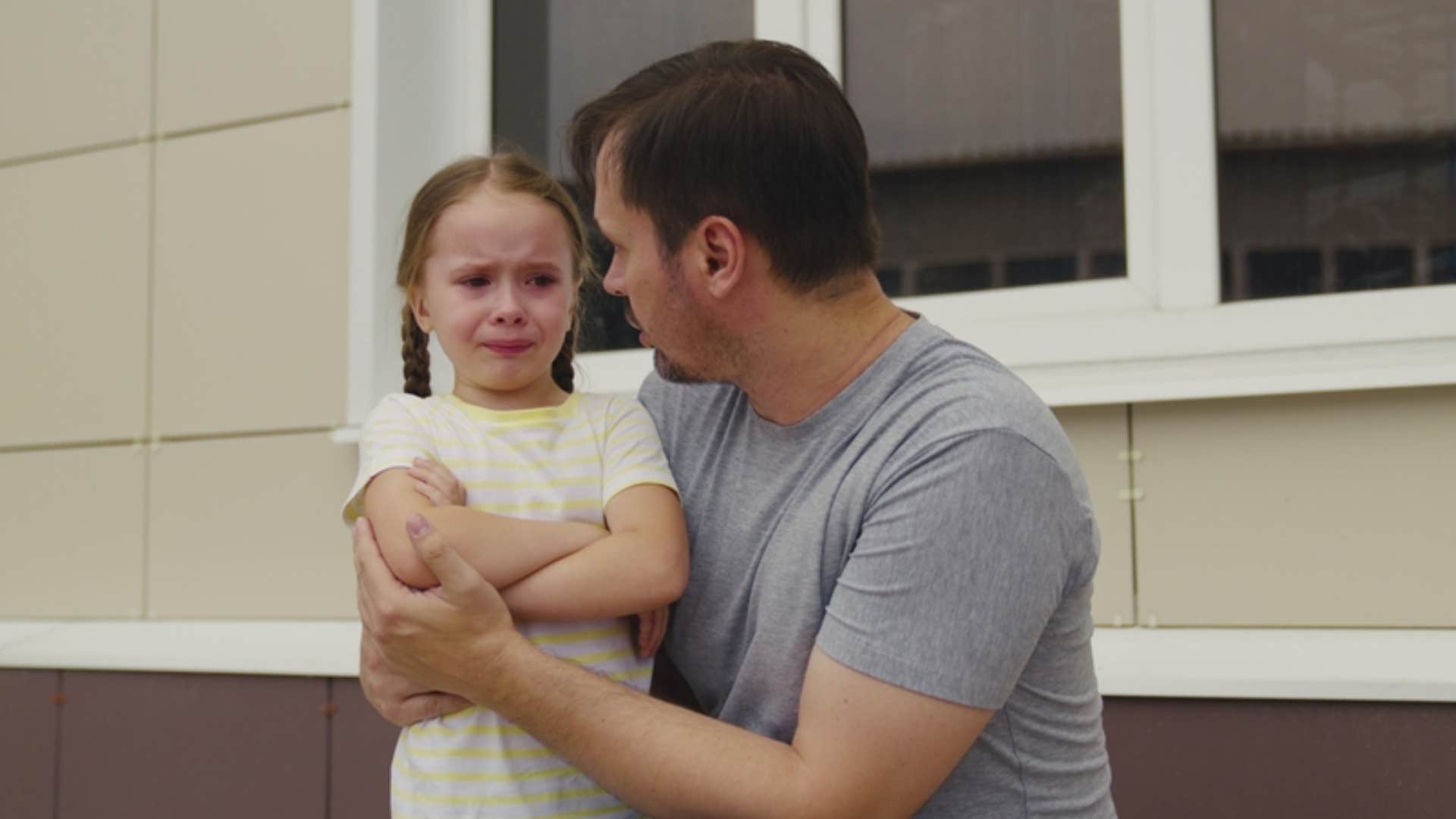
9. 'That didn’t hurt'
 Valery Zotev / Shutterstock
If a parent accidentally bumps into their child or their child falls off their bike and bursts into tears, the parent does not have the right to tell them that they didn’t get hurt. It ultimately dismisses their very real pain.
According to experts at Parenting Style, telling your child that they didn’t get hurt after they’ve physically hurt themselves or have had their feelings hurt potentially discourages them from openly expressing their emotions as they internalize the fact that their feelings are unwelcome and unwanted. If your child is visibly upset and hurt, parents should offer them comfort in the form of a listening ear or a hug rather than denying how they feel.
10. “You always make things up”
 Ground Picture / Shutterstock
Having a different perspective doesn’t necessarily mean that your child is “making things up.” Sometimes, they just remember things differently than you do. Telling your child they are making things up invalidates their memory and emotions and suggests their experience isn't real, which could harm their emotional well-being.
Instead of placing blame and guilt on your child, parents should try to understand their perspective better. They could say, “I don’t recall it that way, but I’d like to understand your point of view better.” This gives their child room to open up about their own experiences without judgment.
Megan Quinn is a staff writer with a bachelor's degree in English and a minor in Creative Writing. She covers news and lifestyle topics focused on workplace justice, personal relationships, parenting debates, and the human experience.
