
Boys Who Grow Up To Become Lonely Men Usually Have Parents That Do 10 Things Quite Often
 Mehmet Turgut Kirkgoz | Pexels
 Loneliness has become an epidemic, with one-quarter of men saying they're lonely. The root cause of their loneliness could be caused by a variety of factors, including a lack of social connections or mental health issues. But it can also be traced back to their childhood experiences.
For boys who grew up with parents who did unintentionally harmful things, they tend to become very lonely men. Parents may end up laying the groundwork for future isolation among men due to specific behaviors or attitudes that hindered their son's growth.
Boys who become lonely adult men usually have parents who did these things in childhood
1. Suppressing emotions
 altanaka | Shutterstock
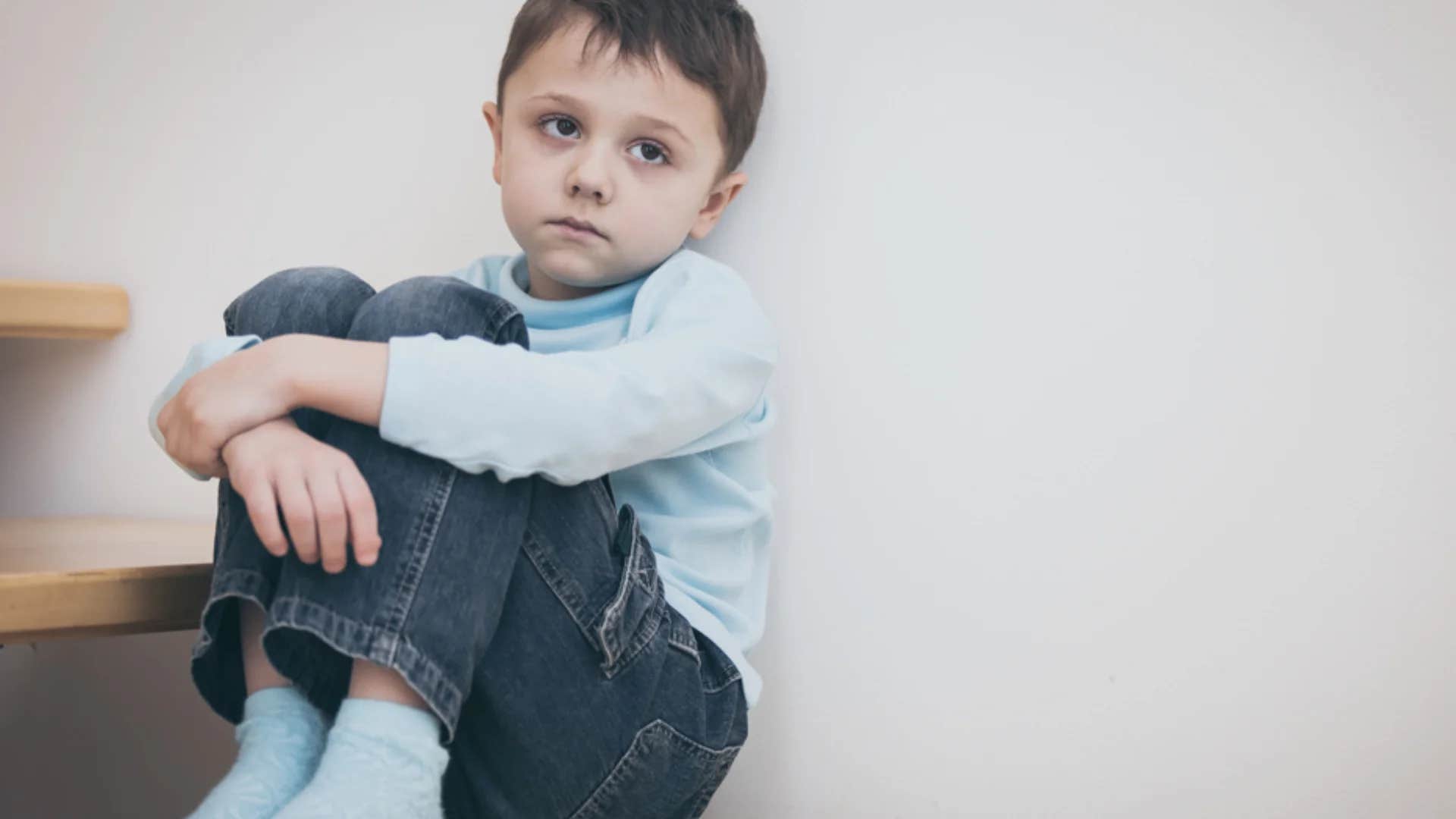
Some men grew up being told not to cry, taught that crying was a sign of weakness. But when boys hear this from their parents, they learn to suppress any vulnerable emotions.
According to experts from the Gottman Institute, "When we teach [boys] to not cry when they’re sad or to be scared when they enter certain situations, we are invalidating their feelings. They no longer know what they feel and don’t trust their emotions. This is enormously destructive to them and to those around them."
Most men who experience these issues don't attribute it to their upbringing. They continue to suffer in silence as they grapple with their deep feelings, and that can isolate them from their friends and loved ones.
2. Being overprotective
 Sergey Novikov | Shutterstock
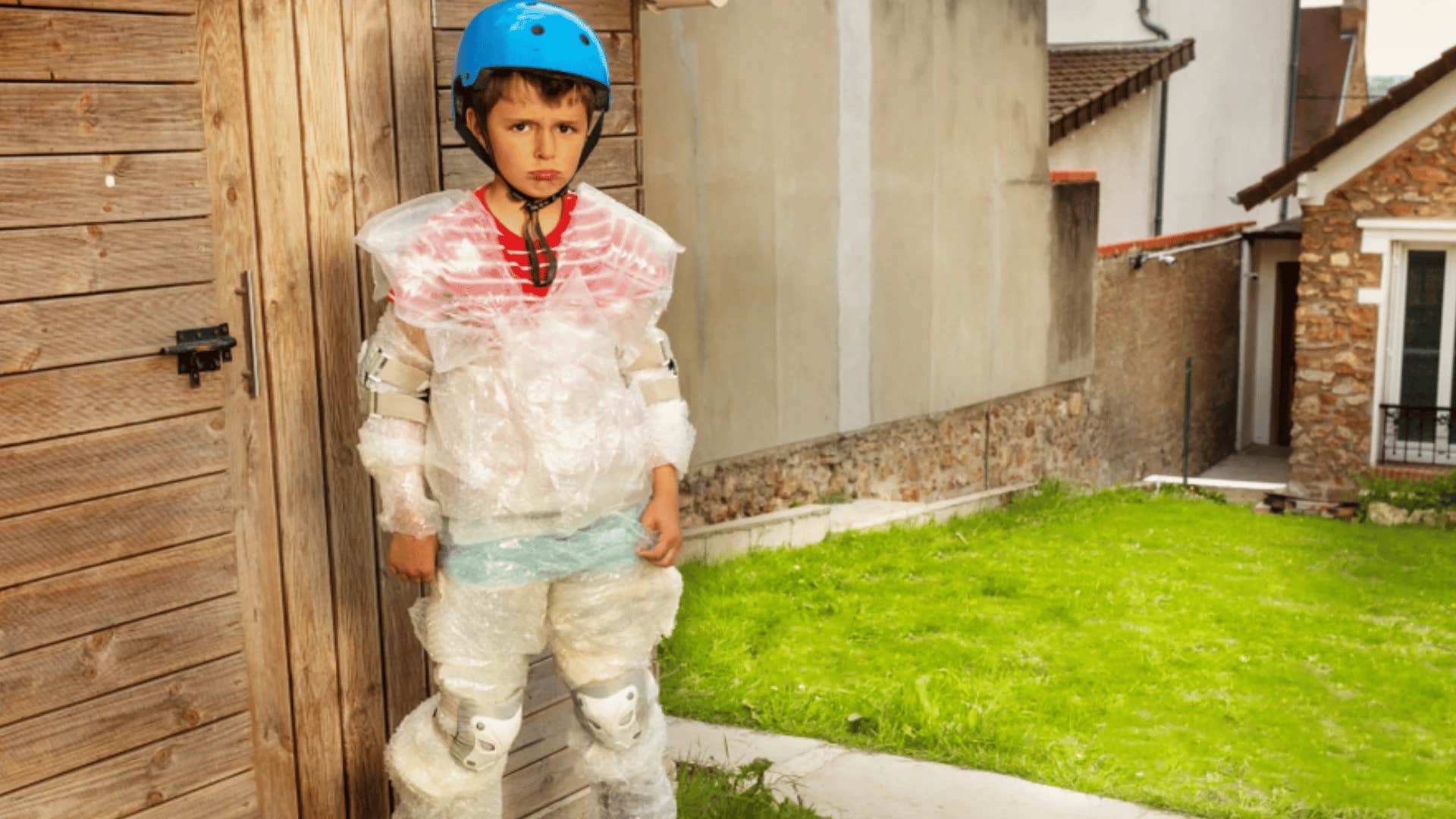
While a parent's job is to keep their child safe, some are over the top, isolating their children from everyone and everything. They shield their sons from challenging circumstances and social situations that will help them grow into balanced and independent adults. By being overprotective, they're transforming their sons into lonely adults with low self-esteem.
When parents are overprotective, they're putting their kids at risk of perfectionist tendencies and low self-confidence. Growing up, little boys need to experience the world without their parents' constant supervision to get a taste on how to handle themselves. When they can't, it can lead to a very lonely existence.
3. Lacking emotional support
 Maria Sbytova | Shutterstock
When children are upset and confused, they turn to their parents for support. But when their parents give them the cold shoulder, they don't learn how to regulate their feelings or seek out help as adults.
Unfortunately, when parents don't provide that emotional support to their little boys, they're letting them grow into lonely men who can't handle their own feelings. As adults, they have unhealthy and insecure attachment styles. It can be difficult for them to maintain relationships, leading them into further isolation.
According to licensed psychologist Timothy J. Legg, "People who are emotionally neglected as children grow up to be adults who must deal with the consequences. Because their emotional needs weren't validated as children, they may not know how to deal with their emotions when they occur."
4. Emphasizing achievements over connection
 Nutlegal Photographer | Shutterstock
While a boy's academic success and other achievements deserve to be celebrated, it shouldn't be the sole focus for parents. Some parents may overschedule their boys in an effort to make them stand out from their peers, putting more emphasis on winning than making long-lasting connections or learning important lessons.
Failing to teach them about all of the other important aspects in life makes them feel disconnected. These little boys turn into men who value success over social connections, leading to feelings of loneliness compared to their peers who were taught to just have fun.
5. Invalidating feelings
 fizkes | Shutterstock
When parents invalidate or dismiss their son's emotions, they're building an internalized sense of inadequacy. According to licensed psychologist Jonice Webb, "Parents may view feelings as something you choose to experience or label emotions as 'bad behavior' that must be fixed... Thus, when children have emotions around these unattuned parents, they may learn that their feelings are wrong or bad, causing emotional neglect and emotional harm."
Even if parents believe their little boys may be acting over the top at times, their feelings are very real to them and are valid. It's a parent's job to help their little ones get through these emotions by telling them that they are there for them and have the right to feel any emotion.
6. Using shame as discipline
 fizkes | Shutterstock
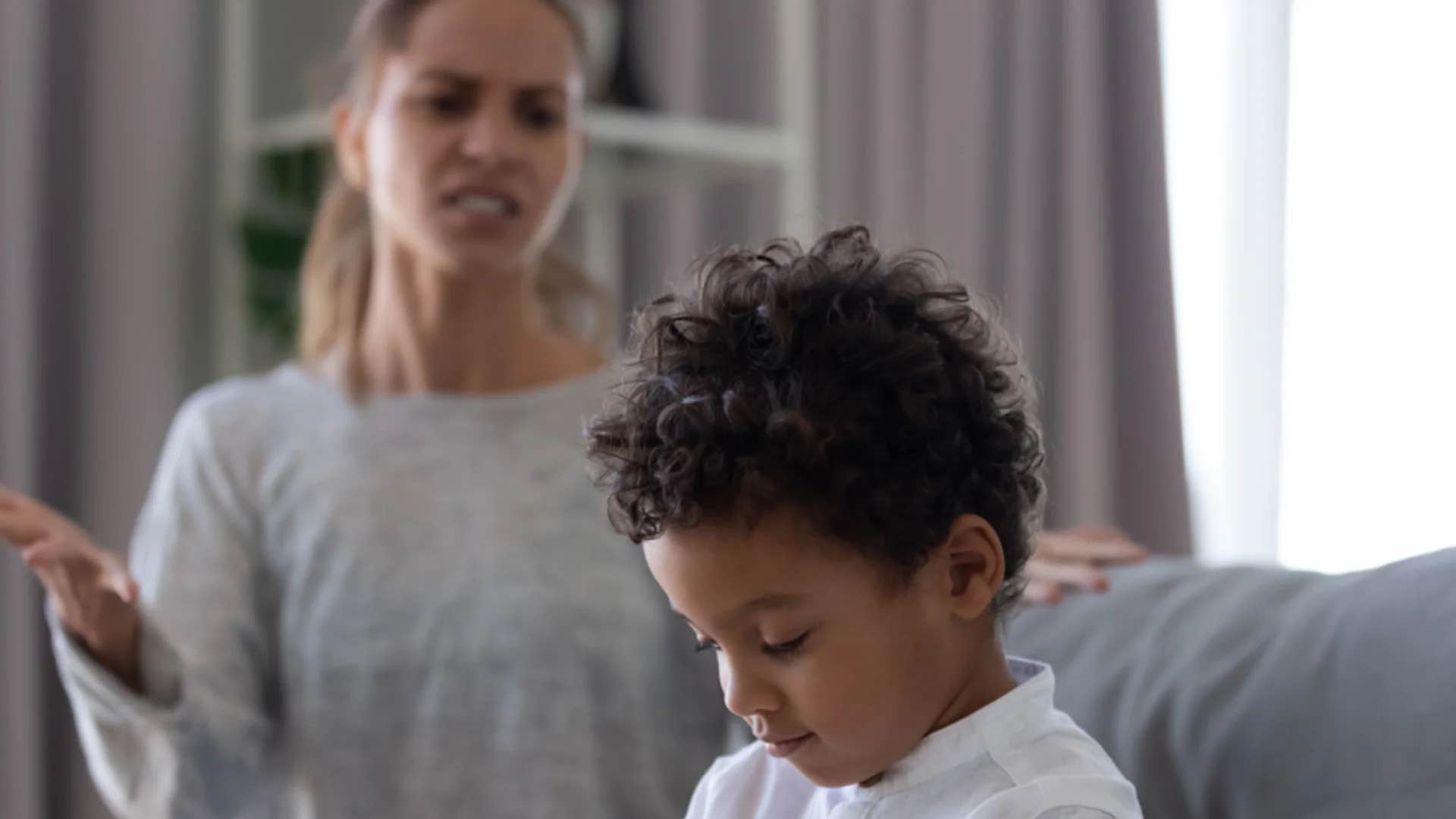
Kids will make mistakes and fail, as it's all a part of growing up. But shaming and punishing them for these normal rites of passages can do long-term damage. As adults, they may have internalized feelings of inadequacy and even a fear of their parents.
While it's normal for self-control to slip from parents' grasp from time to time, and they may raise their voice at their sons, shaming them for making mistakes isn't a good approach to help them become self-sufficient.
"It's often difficult for parents to know how to address disappointment, especially in cases where older kids 'really should know better,'" research psychologist Peggy Drexler explained. It's important to remember that while discipline is crucial during all stages of raising a child, discipline is not about getting even, inducing guilt, or even punishing... [it's] about correcting and guiding him toward more appropriate behavior."
7. Neglecting the importance of friendships
 PeopleImages | Shutterstock
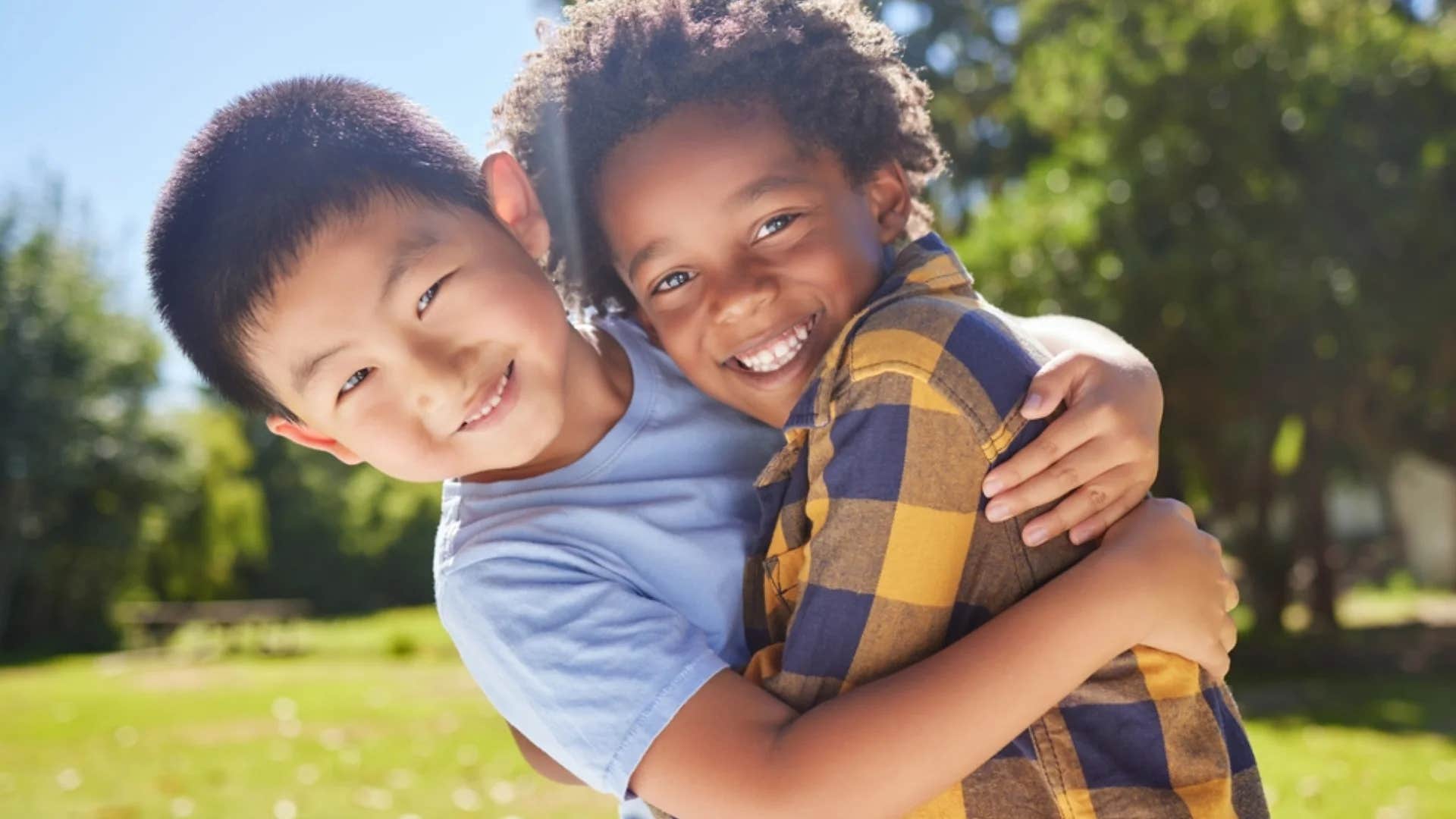
Parents play a crucial role in helping their sons understand the importance of friendships, and the impacts that these strong social bonds can have on their well-being. According to research from Child Development Perspectives, friendships play a vital role in children's social development, building support systems and reducing loneliness into adulthood.
When parents don't encourage genuine friendships, their sons may not develop fulfilling social connections that are necessary for their well-being, shaping them into lonely adults. Parents aren't going to be around forever to ensure their sons will manage without them, but urging them to build their social circle will give them the support they need.
8. Overloading them with responsibility
 Prostock-studio | Shutterstock
While teaching boys about basic responsibilities like brushing their teeth and getting themselves dressed are necessary for their overall development, burdening them with too many responsibilities can hinder their growth.
Little boys need time for playing and unstructured activities to develop their emotional and cognitive skills. Overloading them with obligations can rob them of these experiences.
Having to constantly worry about their duties may also lead to issues like anxiety and depression, which can make children feel lonely even as they begin to enter adulthood. In fact, 1 in 5 adolescents reported having symptoms of anxiety or depression.
9. Not encouraging vulnerability
 Dikushin Dmitry | Shutterstock
Boys and men are often taught that vulnerability is weakness. But in reality, it's a powerful tool that allows them to build self-awareness and emotional intelligence. Discouraging vulnerability in little boys harms their potential of growing into emotionally healthy men who are able to express their feelings and connect with others.
The first relationships boys ever have are with their parents. Rather than shunning them for being human and experiencing vulnerability, it's a parent's job to help their sons understand and navigate through it.
When boys are encouraged to be open and are given good examples of what being vulnerable looks like, they are more likely to open themselves to others as adults and form more meaningful connections.
10. Enabling emotional detachment
 Fresney | Shutterstock
Parents may unintentionally enable emotional detachment in their sons through behaviors that neglect their needs. They may do this by invalidating their emotions or fostering a "tough it out" mentality.
Over time, this detachment can lead to difficulty forming meaningful relationships in adulthood, as they never learned how to manage their emotions. But it's essential for parents to create an emotionally supportive and healthy environment for their sons to openly express themselves. Otherwise, they may resort to a life of seclusion.
Megan Quinn is a writer with a bachelor's degree in English and a minor in Creative Writing. She covers news and lifestyle, relationships, and parenting topics, as well as the human experience.
