
Kids Raised By Parents With 11 Strict Rules Often Turn Into Very Respectable Adults
 goodluz | Shutterstock
We may not have liked them at the time, but having parents like mine who enforced consistent rules was critical for teaching us what behaviors were and were not acceptable, not only in our homes but in the real world.
Of course, my siblings and I pushed every boundary and tested every rule, usually with appropriate consequences. Yet despite how much we hated being grounded, as we grew up into respectable people, we realized that the structured environment helped us become self-sufficient, capable adults — thanks, Mom and Dad!
11 strict rules kids who turned into respectable adults had to follow growing up:
1. 'No phones at the dinner table'
 BananaStock via Canva
Some might argue that kids should be able to have fun and not be made to give up their tablets or phones during a family dinner. But part of being a family is being together, and the distraction of devices means not being present to connect over a meal.
According to research published in the Journal of Experimental Social Psychology, phone use during a meal led to a modest but noticeable decrease in diners’ enjoyment. Having phones out caused people to feel more distracted and less socially engaged, leading to a drop in enjoyment.
Family dinners should be a time when kids share updates happening in their lives and at school, talk about things that interest them, and learn proper etiquette (which certainly doesn't include having your face stuck in a phone).
2. 'A set bedtime, every night'
 Ground Picture | Shutterstock
According to research led by Jack Peltz at Daemen College, teens who don't get enough sleep are more likely to suffer from symptoms of depression, and parents who enforce a bedtime can help. The researchers found that although most families in the study reported having bedtime rules, 47% of parents did not have an enforced bedtime, 30% did not have pre-bedtime rules for screen use, and 48% had no enforced rules about afternoon or evening caffeine consumption.
"An early bedtime benefits a child’s physical health, as well as mood and mental health because it allows time for restorative sleep, which is important for the repair and recovery of the brain and the body," Reut Gruber, director of the Attention, Behavior and Sleep Lab at the Douglas Mental Health University Institute, explained to CNN.
There's room for flexibility, like letting kids stay up late when a family event runs long, or there's a movie they want to finish. As with most things, it's also about balance. But overall, parents should make sure their kids feel rested and ready to tackle the day ahead.
3. 'Chores get done on time'
 Maria Sbytova | Shutterstock
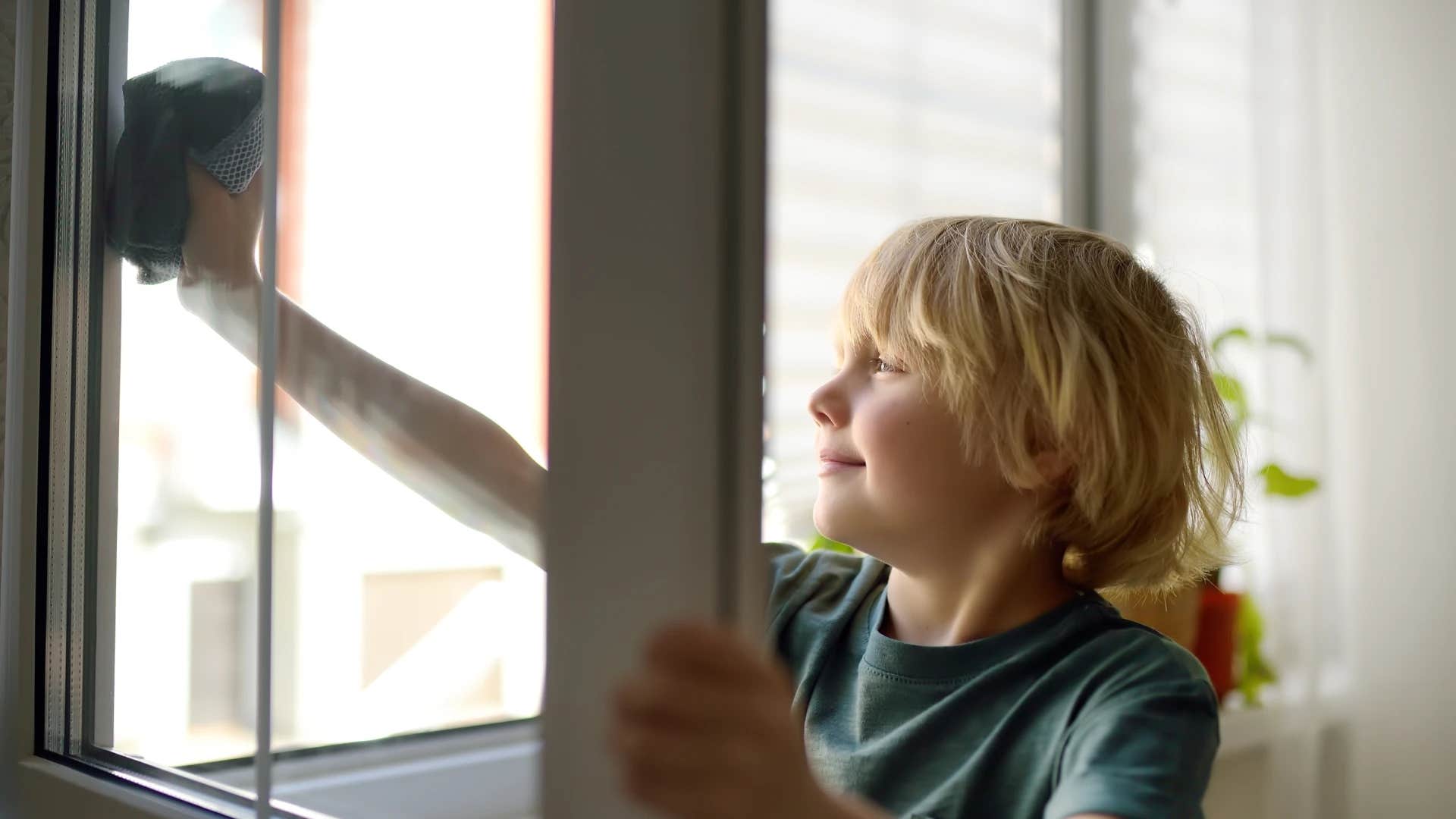
If there's one thing kids will constantly complain about, it's having to do chores around the house. Some people might argue that making kids clean the bathroom, put their shoes away, mop the floors, or tidy up their rooms is asking too much at their age, but these kinds of basic chores are actually quite beneficial. Kids learn important skills they will definitely need once they leave the nest, whether that's for college or when they're ready to live on their own.
4. 'Every gift gets a handwritten thank-you note'
 Pixel-Shot | Shutterstock
Even as adults, we might turn our noses up at having to handwrite thank-you cards. It can seem like a lot of work, but in the end, the people who receive them feel appreciated and seen. That's why kids need to learn that writing thank-you notes is a great way to show the people in their lives how much they mean to them. It's not only a nice thing to do, but an old-fashioned gesture that teaches the values kids need to foster and nurture relationships, along with gratitude.
5. 'Screen time has limits'
 FamVeld | Shutterstock
A study led by UC San Francisco researchers tracked more than 9,200 children ages 9 to 10 for two years and found that each additional hour spent playing video games raised the odds of developing OCD by 13%, and each additional hour watching videos raised them by 11%. Similarly, in a study of 7,097 children published in JAMA Pediatrics, more screen time at age one was linked with higher risks of developmental delays in communication and problem-solving at ages two and four.
There may be some time when parents have trouble controlling how often their kids use tablets and phones, and there's no need to shame parents who are just trying to do their best. But children can be just as engaged playing outside, reading books, looking out the car window, or (gasp!) being bored for a second, and devices should be limited when possible so they never entirely replace other activities.
6. 'Be home by a reasonable curfew'
 VisualProduction | Shutterstock
This mostly applies to preteens and teenagers. As kids grow older, parents should give them a bit of freedom to spend time outside the house, whether they're going to a party or simply meeting up with friends. At the same time, there need to be reasonable boundaries around when they come home. At the end of the day, they're still minors living under their parents' roof.
A curfew doesn't need to be so early that a teen feels kept on a tight leash, and forced compliance can often backfire. But it should be consistent, so kids know it will be enforced and they need to be home by a certain hour. That matters for their sleep, and it also teaches them responsibility and how to meet a deadline.
7. 'Save part of every paycheck or allowance'
 fizkes | Shutterstock
A Pew Research Center survey found that 13% of U.S. adults say they don't know much, or know nothing at all, about personal finances. Relatively few people learn about money management in school, and many only learn to budget once they're adults earning their own income, which can make the learning curve much steeper.
One of the best ways for kids to learn about money management is through their parents, and it can be as simple as having kids set aside part of the money they earn from a job or get as an allowance.
Teaching kids the basics of money management can help them build skills for financial success later in life. From learning how to save to making a simple budget, these lessons can give your child a leg up once they're working as an adult with bills to pay.
8. 'Sleepovers only with families we know and trust'
 antoniodiaz | Shutterstock
Sleepovers can be a super-fun part of growing up, but parents still want to know who's supervising and what the house rules are. As much as parents want to assume the best, it's also smart to be prepared and stay aware.
In an interview with USA Today, school counselor Phyllis Fagell said that U.S. parenting has veered toward being a bit overprotective. She said that if a parent feels hesitant about sleepovers, even at the home of someone they know and trust, it's worth examining why.
"As parents, I think if your decision not to have sleepovers comes from a place of fear, I would caution parents to pause and ask themselves, ' What is my anxiety?" she said. If the host is someone a parent knows personally and trusts to keep their child safe, the sleepover may not be as big a concern as one with a family they don't know well.
9. 'Greet everyone who walks in the door'
 PeopleImages.com - Yuri A | Shutterstock
Few things are more awkward than bringing a friend home to meet your family as an adult and having them walk in without any greeting. Teaching manners may seem obvious, but some households don't stress the importance of greeting people and saying hello when you step into a room. It's a valuable life skill that teaches kids about social skills, respect, courtesy, and the importance of making a good first impression.
10. 'Allowance is earned, not given'
 Motortion Films | Shutterstock
Handing out an allowance without tying it to chores or other responsibilities misses a large part of the point. When children get money without having to earn it, they may come to expect rewards without putting in any effort. Parents instill accountability and initiative when they make it clear that skipping a chore means skipping that week's allowance.
11. 'Homework comes before play'
 Prostock-studio | Shutterstock
This may seem like an overly rigid rule to some. They might see it as keeping kids from having fun before they sit down to finish their homework after school. But when you treat schoolwork as just as important as playtime, you're teaching children to prioritize what needs to get done.
You're also teaching them good time management. Kids will likely get through their homework faster while they still have energy, leaving more time for fun and relaxation afterward.
Nia Tipton is a staff writer with a bachelor's degree in creative writing and journalism who covers news and lifestyle topics that focus on psychology, relationships, and the human experience.
