
Kids Raised By Parents With 9 Strict Rules Often Grow Up To Be Really Good People
 GlobalStock | Canva
As a family therapist raised by strict-but-warm parents, I understand the value of enforcing limits, as long as they're not overbearing. Maybe you didn't grow up in a family that valued enforcing boundaries or rules, or you just never learned how. All parents want their children to be happy, but there has to be structure. Children learn by what they see. As for me, these rules made sense for me growing up and molded me into a pretty god person, so take what works here and consider the rest a bonus.
9 strict rules some kids had growing up that turned them into really good people:
1. 'No means no'
Stop saying "yes" when you mean "no." We know you want to be helpful. But this will only cause resentment in the long run. Make sure you stick to your "no." This is also a great way to get respect from your family.
Send the kids out with your husband the next time he runs some errands. Many women benefit from some alone time in the house. Your house is your castle, so treat it that way.
2. 'Never stop learning and being curious about life'
As the parent, you set the example your kids see: Try a cooking class or take a knitting class. Invite a friend. Trying something new is a great way to set a good example for your children rather than just telling them what you think they should do. It's easy to get stuck doing the same thing. This will help break the monotony.
3. 'Own your mistakes, even if you're embarrassed'
 DimaBerlin | Shutterstock
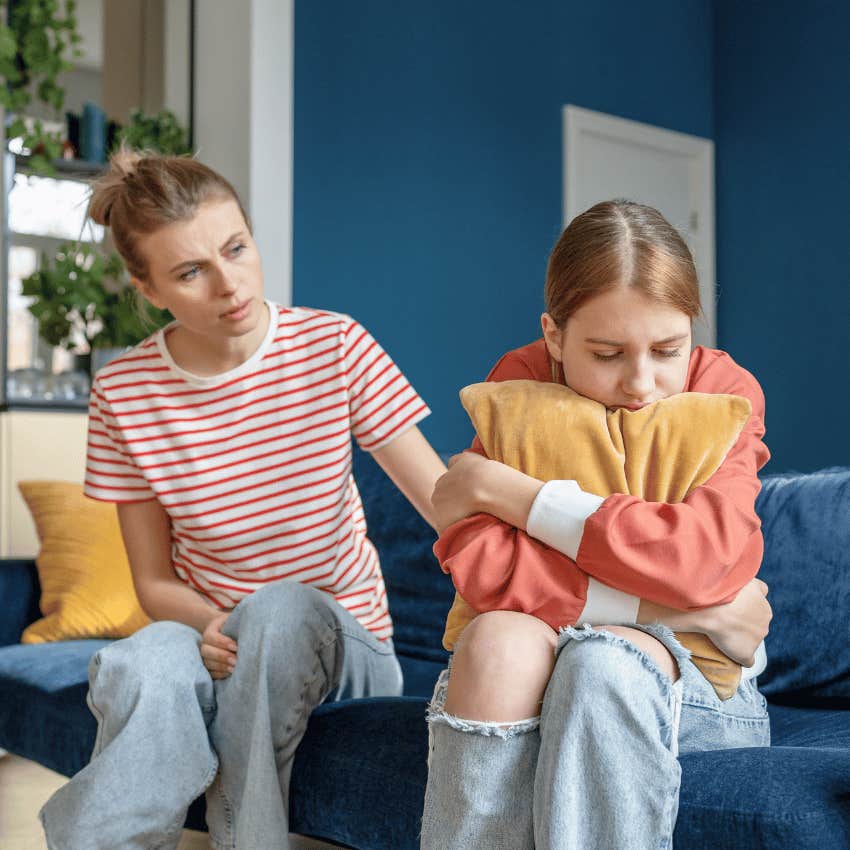
Mistakes are part of life. We all make them, and we all live through them. The best thing you can do is learn from them. Nobody is perfect. It's important to model this for your children; that way, they won't feel like they have to be perfect. Parents who can avoid beating themselves up generally practice self-compassion and give themselves grace. To be human is to err, and listen: we're all human.
4. 'Exercise isn't optional, so find something that makes you happy to move'
If you enjoy the exercise you do, you're more likely to stick to it. Take a cardio or a spin class with some friends. They usually play good music. This helps get your mind off of everything else. Then, just enjoy moving your body. When your kids see you moving your body in a way that makes you happy, they'll very likely be more amped up to take up tennis or grab their bike for a spin around the block.
5. 'Asking for help is never a weakness'
 pixelheadphoto digitalskillet | Shutterstock
When an adult becomes a parent, they feel a lot of pressure to know everything. Hopefully, by now you've realized that is not the case. Becoming a parent makes you realize how much you don't know, and that's a great lesson to teach your kids, too: Asking for help is never weak.
Asking for help is a skill. It can help you and your family. Every single person on this Earth goes through highs and lows. Encourage your kids to ask you or their close friends how they have gotten through the lows. Make sure you (and they) have a support network of family and friends to get you through.
6. 'Every feeling is allowed in this house, but not every behavior'
When you have a child who may be suffering from anxiety or depression, you may feel there is no room for your emotions. Or maybe your husband is at work a lot, and his job is very stressful.
This may make you feel like you can't complain or feel bad. You can. The key is not lashing out or expressing anger in an unhealthy way. It's important to allow yourself to experience your emotions. Whether they are anger, sadness, anxiety, or happiness. Nobody is happy all the time, and it's important that every family member, kids included, totally gets that. Every feeling is allowed, but not every behavior is.
7. 'Laughing is a daily requirement'
 fizkes | Shutterstock
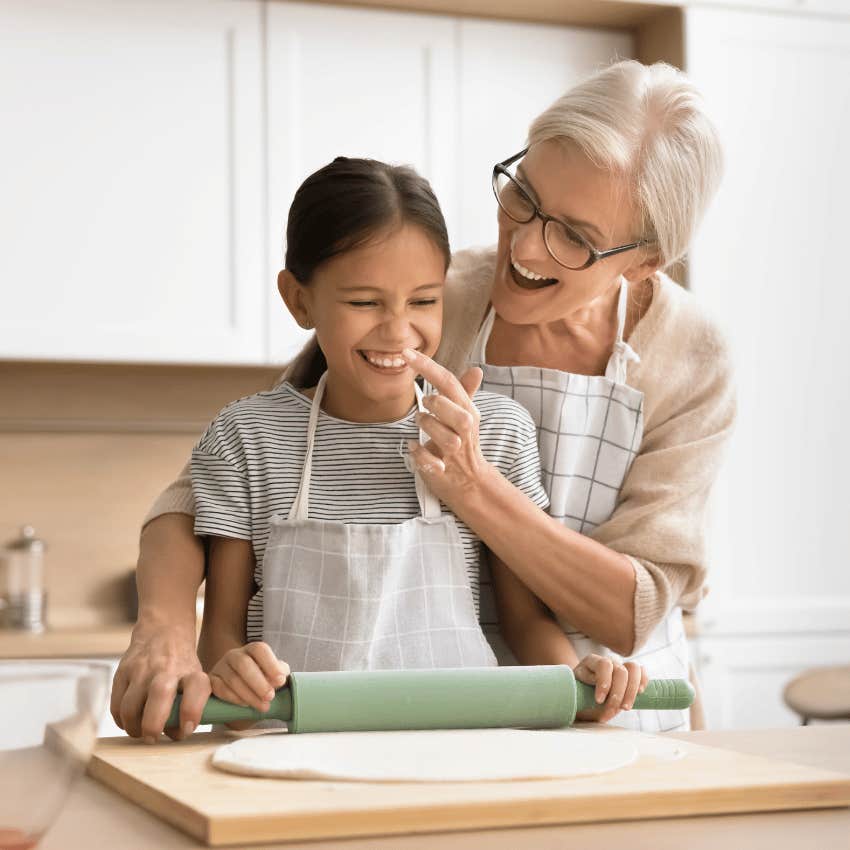
It's just one word. Take time out to enjoy life and laugh. Watch a comedy that you know will make you laugh. Enjoy the time that you have in this one wild and precious life.
8. 'Grown-ups are allowed to play too'
You're never too old to play. Go to the park and swing on the swings or run through the playground like you did when you were a kid. Ride your bike and let the wind run through your hair. Kick the ball at the beach. Just have some fun playing.
According to research from John Hopkins Medicine, parental playfulness is essential for a child's development, and playful parents can often foster healthier and happier children who have healthier ways to cope.
9. 'Everything gets better when you slow down and breathe'
As a family, carve out five minutes and do some deep breathing, a simple form of relaxation. Five minutes a day is not much, but over time it will make a big difference. You can always add another five minutes; try to get up to 30 minutes. Everyone's mind and body will appreciate it.
Lianne Avila is a Licensed Marriage & Family Therapist. She is dedicated to helping couples and has completed Levels 1, 2, and 3 at The Gottman Institute.
