
Kids Who Grew Up In A Family Dominated By Anger Usually Experienced One Of 3 Types Of Dysfunction
 pics five | Shutterstock
 Show me a family that has no anger in it, and I’ll dig out their anger and show it to them. That’s my job. I’m a therapist.
Every family has anger. It’s unavoidable in life and in a family, simply because it is literally wired into our brains. It’s a part of our physiology, just as our eyelashes, elbows, and toes. There are many ways that families can handle anger, depending on their comfort level with it.
They can wield it as a weapon, figuratively hitting each other over the head with it; they can push it underground, or they can ignore it and pretend it does not exist. Or they can use it the way nature intended; as a way to drive truth, and connect family members in a genuine, real and meaningful way.
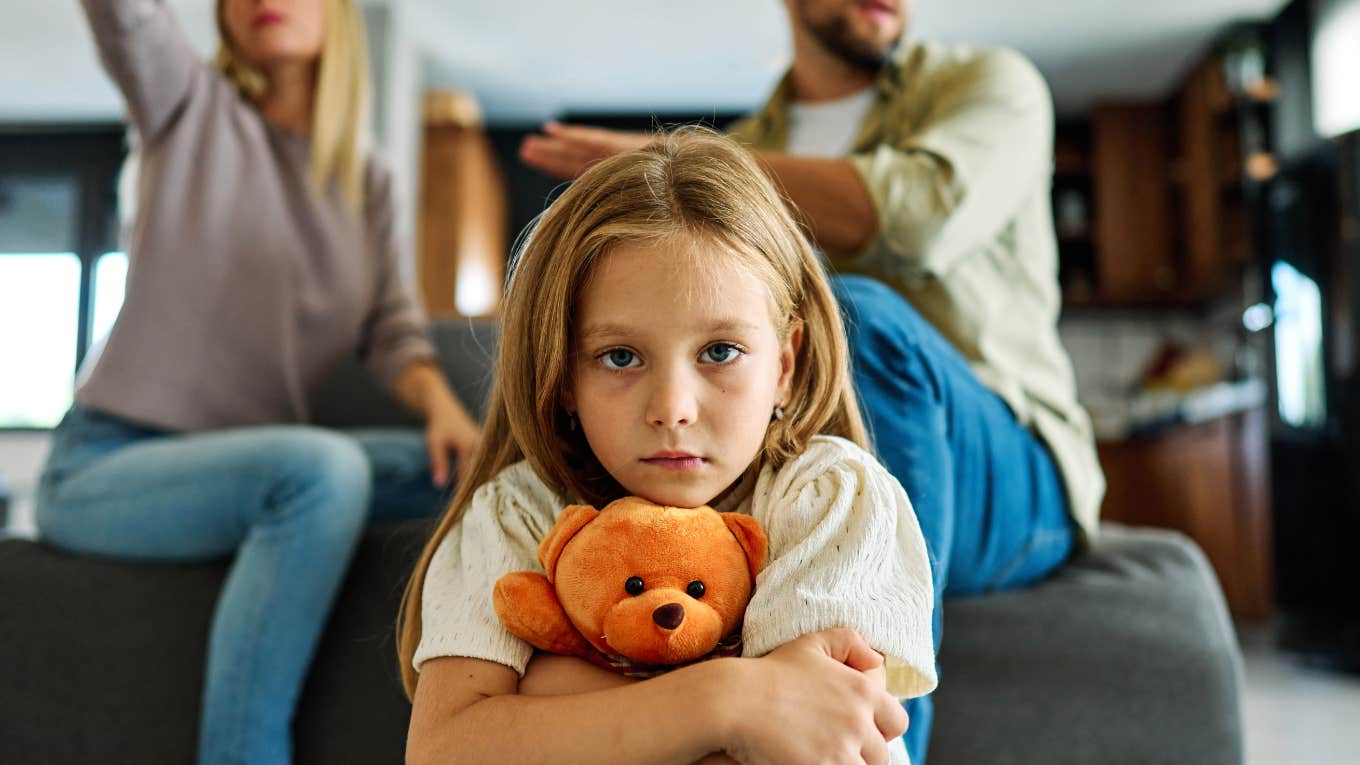
Kids from families dominated by anger often experienced three types of dysfunction that affects them as adults:
1. The anger as a weapon family
In this family, anger is used by one or more members as a source of power. Anger may be expressed in a variety of aggressive ways, like yelling, insults or barbed comments; by throwing things, breaking things, or other physical intimidation or threats.
The Lesson the Children Learn: The angriest person wins.
2. The underground anger family
This family views anger as unacceptable, or even bad. Angry feelings are viewed as unloving, uncaring or rebellious and are met with negativity or punishment.
The Lesson the Children Learn: Anger is bad. If you feel angry, you are bad. Do not talk about it.
3. The ignoring anger family
 ESB Professional | Shutterstock
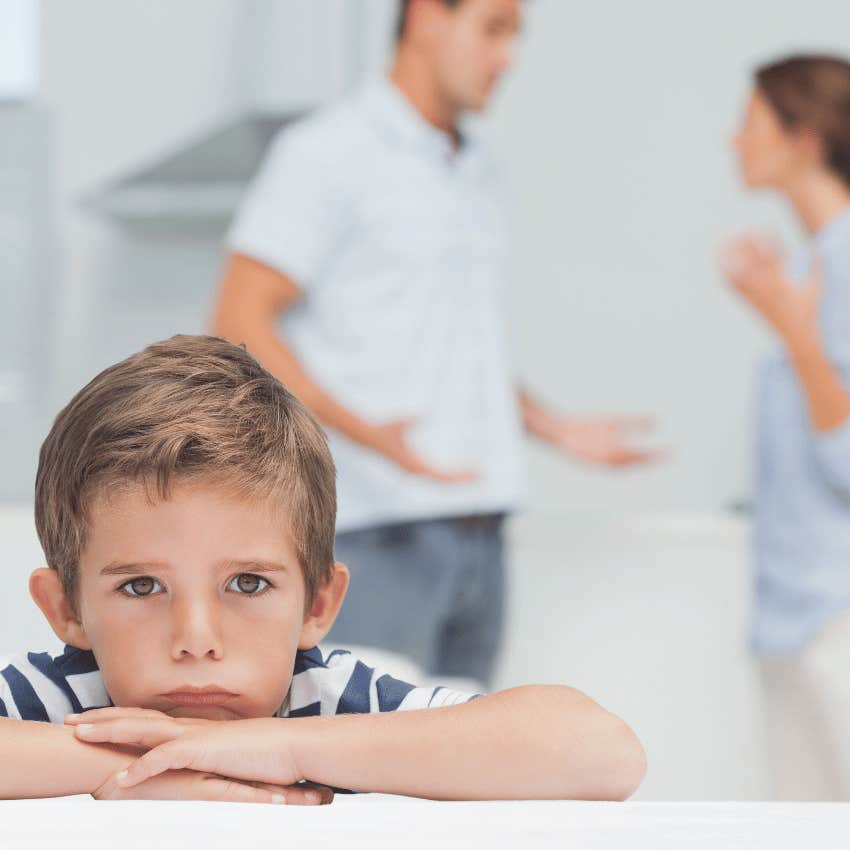
This family treats anger as if it doesn’t exist. When a member of the family shows anger, it receives little response. Anger is invisible.
The Lesson the Children Learn: Anger is useless. Don’t bother with it. Do not talk about it.
What kids who grow up in angry households learn (and do not learn):
None of the children growing up in these three types of families has an opportunity to learn much about anger: how to listen to its message, manage it, express it, or use it in a healthy way. By definition, all of these children are growing up in an emotionally neglectful family.
All of these children are receiving this message: Don’t talk – don’t talk – don’t talk. No one wants to know when you are angry.
But let’s focus in particular on The Underground and the Ignoring Families, because they have one very big factor in common. They both are breeding grounds for passive-aggression.
Since anger is wired into the human brain, it happens in every human being, whether they want it or not. When you are in an environment that is chronically intolerant of this particular emotion you naturally, automatically suppress your angry feelings whenever they arise. This causes some major problems for you, and in your family.
Pushing anger down is like pushing water down. It has to go somewhere. So it may seep underground and sit there, or it may go slightly under the surface, and ripple and roil, waiting for a chance to spew.
In these two types of anger-intolerant families, the anger goes underground, but it does not disappear. It stays there. And it has to come out somehow, sometime, in some way. Enter passive-aggression.
Passive-aggression: The indirect expression of anger and resentment, fueled by feelings that are not addressed and resolved by talking about the issues directly.
The passive-aggressive family is also dominated by anger
Here are a few examples of what it's like growing up in a passive-aggressive family
Molly felt anxious and uncomfortable as she sat eating dinner with her family. She was acutely aware that her parents refused to speak to each other or make eye-contact.
Joel’s dad was an hour late to pick him up after soccer practice. As Joel sat on the curb waiting, he found himself wondering if his dad was angry about the argument they had the night before.
Jessica found it excruciating when her mother gave her the silent treatment. So she took great care to appear unaffected by it.
Many research studies have clearly established a link between passive-aggression between parents, and problems in the children.
One 2016 study showed that children growing up in such an environment of indirectly expressed, unresolved hostility are more insecure, and take less responsibility for their own problems. They are also more prone to depression, anxiety, and social withdrawal.
Another difficult aspect of passive-aggression is that most people are completely unaware of their own passive-aggressive behavior. They are often, also, unaware of their own underground anger and resentment that’s fueling it.
Steps to become less passive-aggressive
Accept that you have anger. Accept that it’s normal and healthy, it’s valuable, and you can use it to make your relationships better.
Increase your anger awareness. Watch for anger in other people. Watch for it in yourself. When you start trying to feel your anger, you’ll start breaking down the wall that blocks it.
Read everything you can about assertiveness. It’s a skill that allows you to express your anger in a way that the other person can take in your message without becoming defensive. Buy a book on it if you can. Then read it!
When something happens that makes you feel angry, take note of the feeling. Practice sitting with it and tolerating it. Apply what you’ve learned about assertiveness. And talk talk talk.
Jonice Webb, Ph.D., is a licensed psychologist and best-selling author of two self-help books. She specializes in childhood emotional neglect, relationships, communication issues, and mental health. Dr. Webb has appeared on CBS News and NPR, and her work has been cited by many publications.
