
Kids Raised By Parents Who Kept A Dirty House Usually Carry 8 Habits Into Adulthood
 aleksey ivashin | Shutterstock
 Growing up in a home with parents who were a little lazy about basic cleanliness could have lasting effects as kids become adults. They might actually struggle with simple tasks, like regularly doing the dishes.
This doesn’t always mean that some people who grew up in a dirty home will follow in their footsteps. For some, it makes them behave the complete opposite way. They become clean freaks who make sure their house lives up to their high standards. Others, however, may carry bad habits into adulthood. If a dirty house is the norm, it can shape the way they see their living space. Some people move forward, while others continue the cycle, whether they want to or not.
Habits kids raised in a dirty house carry with them as they grow up:
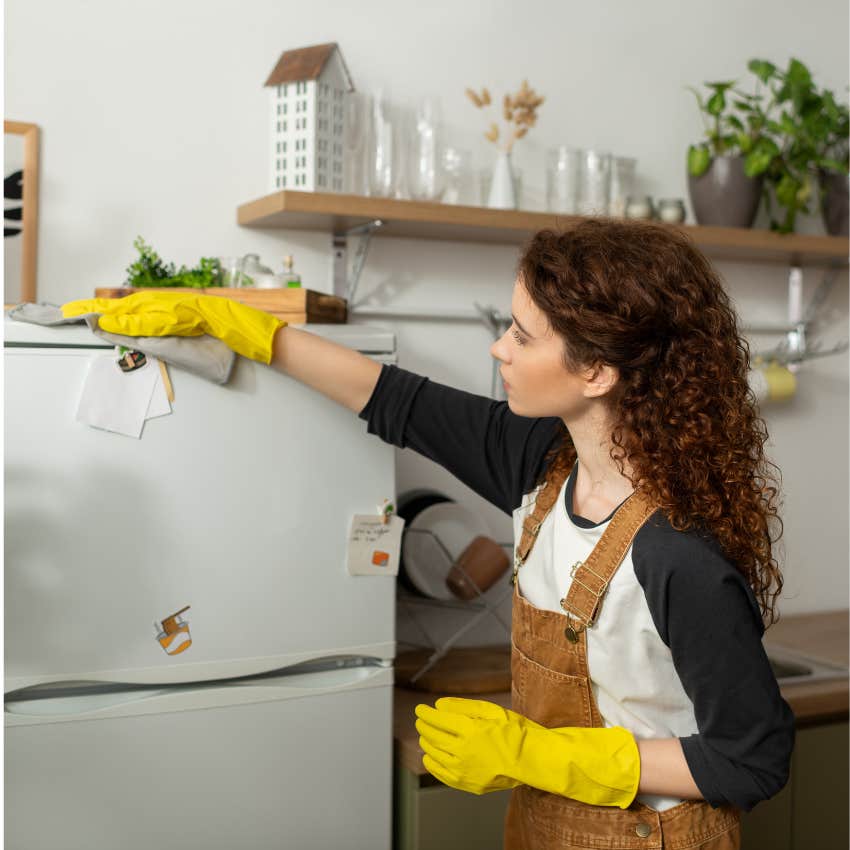
1. They become clean freaks
 LightField Studios | Shutterstock
Following in their parents’ footsteps isn't something everyone wants. While they may appreciate their upbringing, they want to leave certain behaviors behind. Growing up in a dirty house can make some have a completely different outlook on life. They want to live a cleaner life now that they are on their own and fear becoming like their parents.
This type of person may take pride in their space because they didn’t feel that way growing up. Our homes become our sanctuaries, which may mean more to some. If they never felt comfortable growing up in a messy home, they’ll do anything they can to keep their home clean and happy.
2. They do anything they can to avoid hosting
Having friends over was likely a source of anxiety for those who spent their childhood in a dirty home. Growing up, one of my best friends never let me come into her house. Still to this day, I have no idea why. She may have felt uncomfortable with the state of her home, though I wouldn’t have cared. We place so much pressure on ourselves to impress the people around us, especially with our homes. This can make some people choose to avoid having anyone come over, even if their house is perfectly clean.
Childhood trauma doesn’t always look the same. Sometimes, it can be caused by the anxiety their homes brought them. People like this may be more removed from others around them. It can come across as social anxiety, but for some, it may have a deeper reason.
3. They become hoarders
When most of us think of hoarding, we picture that popular TV show that revealed the startling inside of extreme hoarders’ homes. While it can certainly look like that, not everyone who begins hoarding has an extreme experience. Sometimes, it can be brought on by spending time in a home where things were rarely thrown away. They may grow attached to items, whether because of memories or the feeling they'll need it in the future, even if they aren't actively reaching for it.
Hoarding is a disorder, and family history plays a role. Someone who grew up with parents who kept a dirty home filled with items they no longer needed is more susceptible to the same problem.
4. They apologize to everyone about their space
 Miljan Zivkovic | Shutterstock
Growing up in a dirty home can make someone extra cautious of their space. If they decide to have other people over, they might begin apologizing before they show up. When making the plans, they may say something like, "I’m sorry in advance for how messy my house is!" as a defense mechanism.
Chronic apologizing can protect them from shame. If they call themselves out for how their place is first, they might avoid facing backlash from other people. In reality, they care about what others think, even though others may not be looking at their home with a magnifying glass, as they may assume.
5. They are perfectionists
Perfectionists are highly critical of themselves. This can affect how they view their home, especially if they are trying to change their relationship with cleaning. If they don’t clean something perfectly, they may fear they’ll turn into their parents. They want to be appreciated for the effort they put into tasks, and if they fail at cleaning, it can start a vicious cycle.
While goals are helpful, especially to motivate you while cleaning your house, they can quickly spiral out of hand for perfectionists. They can become overcritical and struggle with not living up to their unattainable expectations.
6. They find comfort in a cluttered space
Our comfort zones can feel like the safest place to be. Even if we want to move out of them, doing so can feel impossible. We get stuck in habits, and living in a dirty home can cause the same feeling of nostalgia. If someone has only ever known a messy home, clutter feels like comfort.
Sometimes, our comfort zones can hold us back. Someone like this may want to change their perspective, but struggle to put a plan into motion. It can keep them from living the life they wish they could because their childhood comfort is deeply ingrained.
7. They ignore messes
It can be easy to look past a pile of clothes or trash left on the counter when it was part of everyday life growing up. They may have convinced themselves to look past it. This habit can carry into adulthood in how they choose to keep their homes. Overflowing trash cans and a sink full of dishes may not bother them. To others, these are signs of a dirty home. For them, it’s part of life.
Someone like this may not realize they are negatively impacting their mental health. Overcluttered and dirty spaces can lead to overwhelming stress. They may not know where to start cleaning and give up entirely, continuing their childhood cycle.
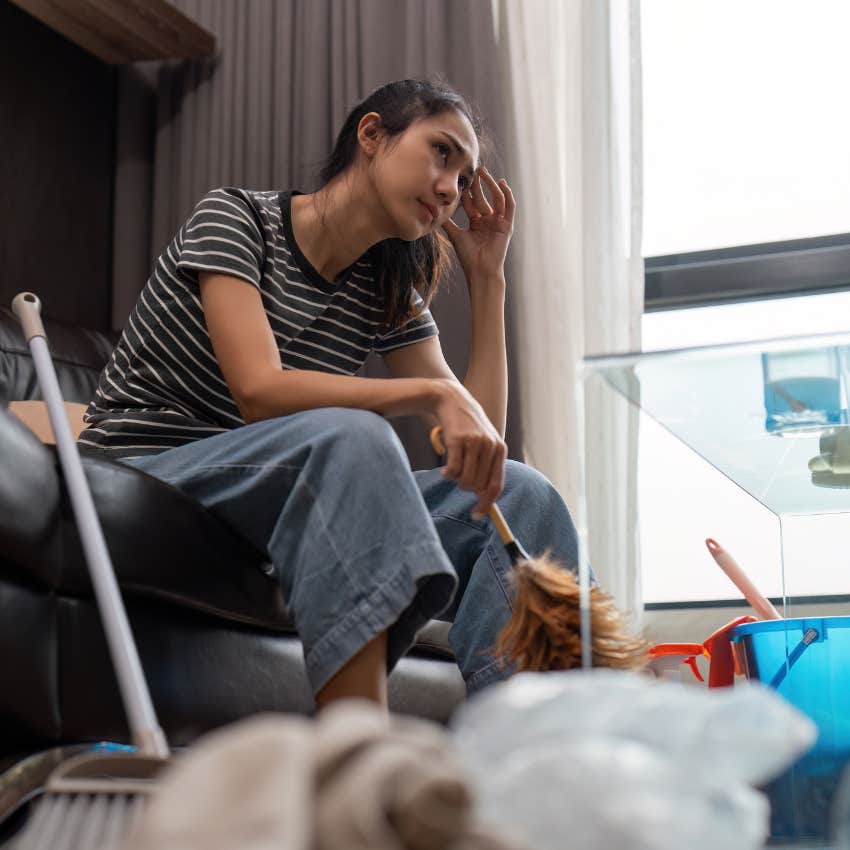
8. They have cleaning anxiety
 Natee Meepian | Shutterstock
Maintaining a clean home can reduce stress, though it may not feel like it at first. When a space is completely overwhelmed with messiness, not knowing where to start can be a problem. They might give up before they even start. The thought of tackling that mess causes them intense stress.
Instead of letting this overwhelm them, psychologists suggest starting small. Don’t aim to clear out the whole place in one day. Day by day, tackle one room or one spot. Over time, chipping away at it will feel good and will encourage them to keep trying.
Haley Van Horn is a freelance writer with a master’s degree in Humanities living in Los Angeles. Her focus includes entertainment and lifestyle stories.
