
Therapist Warns Of Odd Affliction Affecting Boomer Grandparents That Eventually Makes Their Own Kids Resent Them
 Estrada Anton | Shutterstock
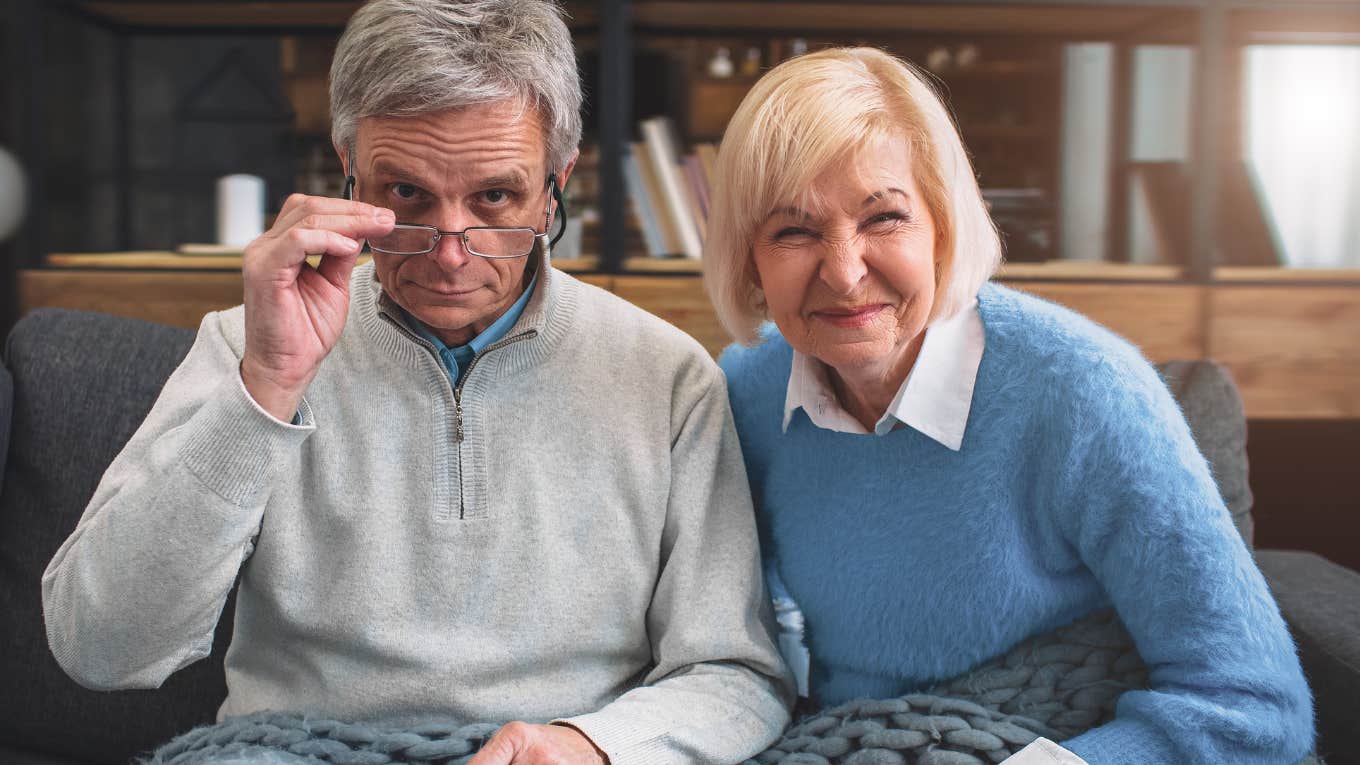
 A therapist recently called out a specific condition that's affecting boomer grandparents, and their adult children have had enough. In a video posted to Instagram, Allie McQuaid, a millennial mom and therapist, explained that "gramnesia" seems to be a growing problem among grandparents who have completely forgotten what it's like to have little kids.
McQuaid said she's noticed many of her clients share similar stories about their boomer parents and the comments they make about their adult children's parenting styles. McQuaid explained that the unfortunate result is that adult children are becoming so fed up and resentful that familial relationships are suffering irreparable harm.
Therapist warns of 'gramnesia' when boomer grandparents forget what it's like to raise young kids.
"I just heard this term called 'gramnesia' when grandparents forget what it's really like having young kids, and I can't stop thinking about how accurate it is," McQuaid wrote in overlay text in her video.
She explained that she's heard stories from her clients about grandparents making comments like, "Oh, you never had tantrums when you were a kid,” or “I potty trained you before you were one." McQuaid theorized that boomer grandparents were almost forgetting what it was like to parent a young child.
 Drazen Zigic | Shutterstock
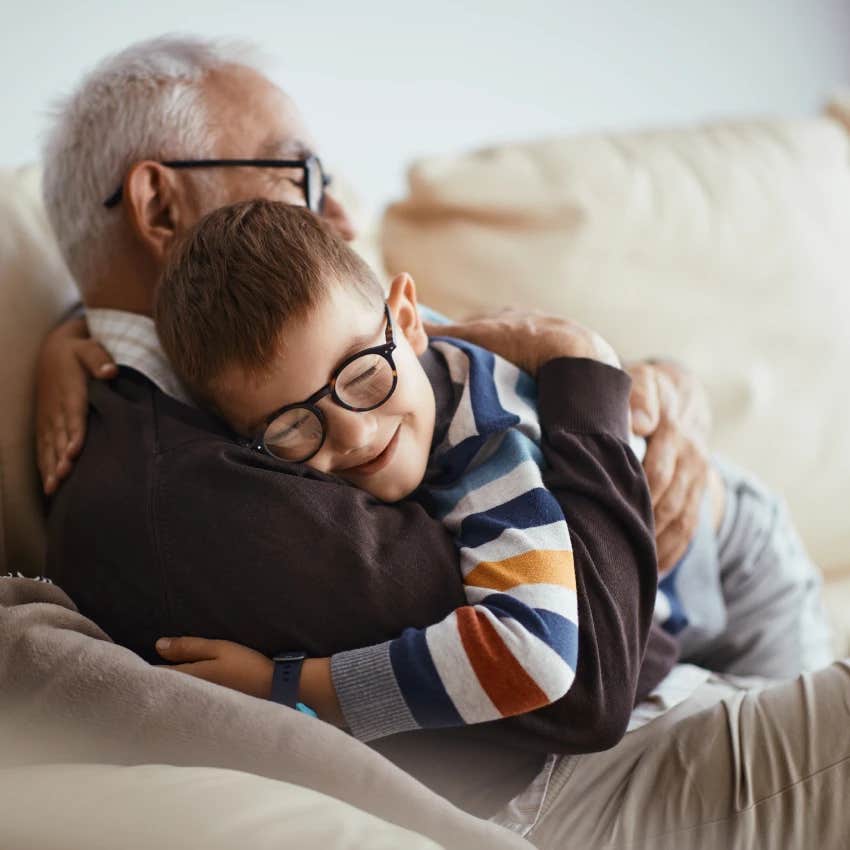
Sure, times have changed, and parenting looks very different from 40 or so years ago. But "gramnesia" doesn't seem to be just about generational differences. It's about how boomer grandparents seem to selectively remember certain parts of parenthood while forgetting the hard parts. It might not be an intentional oversight but that doesn't make it any less frustrating for adult kids trying to raise their own little ones.
Nicovia Bradley, LPC, a licensed professional counselor, told Parents, “Grandparents may experience ‘gramnesia’ to compensate for past parenting mistakes, seeking a chance to redeem themselves and make up for previous shortcomings.”
Older generations of moms were also not treated the same as they are now.
McQuaid wasn't pointing the finger at boomer grandparents, either. In fact, she was quick to point out how easy it is to forget the hard parts of raising kids.
"I can’t blame them," she said, "because I even have a hard time remembering the first year of motherhood, and that was only four years ago." She went on to say, "It’s also very possible that older generations of moms were not given space to express emotions or indicate that they were struggling to adjust to motherhood."
Modern motherhood has many more resources than were once available to women. From parenting advice to community resources, if moms today need help, there are plenty of places and people to turn to.
In the comments section of McQuaid's post, parents chimed in with their own stories. Many even admitted to feeling the "gramnesia" in full effect, recalling moments of their own parent's "advice," that might have been well-meaning but was uncalled for.
It's important for adults to set boundaries with their boomer parents.
"All relationships have the potential for both love and conflict. They're here to help us grow," explained Amita K. Patel, a licensed clinical social worker and psychotherapist.
 IndianFaces | Shutterstock
"When kids come into the picture, it's a big role change not only for new parents but for new grandparents as well," she added. "They may see that their view of themselves as parenting experts may not be universally accepted by their children."
That's why it's so important for adults to have conversations with their boomer parents about expectations early on. Letting grandparents know what kind of help is actually needed versus what makes them feel bad helps everyone be on the same page moving forward.
Nia Tipton is a staff writer with a bachelor’s degree in creative writing and journalism who covers news and lifestyle topics that focus on psychology, relationships, and the human experience.
