
Everyone Mocks Helicopter Parents But These 5 Upsides Might Change Your Mind
 Marian Fil | Shutterstock
 I remember the first time I heard the term "helicopter parenting." I was watching Celebrity Wife Swap, and one of the husbands was called out for hovering too much. I agreed. Within seconds, I started thinking about my own parenting style.
I've been accused of being overprotective, but a helicopter parent? Was I one of those? So what if I'm frequently right on top of my kid? Is that necessarily a bad thing? Does that really classify me as a helicopter parent? Years later, I'm honestly beginning to think that the term is vastly overused.
We all have our own techniques. We all have our days when our child requires more attention than usual. In my case, there are several legitimate reasons why I've appeared to be a smothering mother.
Everyone mocks helicopter parents, but these 5 upsides might change your mind:
1. Helicopter parents are often diligent
 Vitaly Gariev / Unsplash
We all remember a time when we swore to never be like our parents. But sometimes, the opposite occurs. My own parents were fiercely overprotective, and I can sometimes be as well.
Clinical psychologist Dr. Samantha Rodman Whiten shares how her own anxious childhood shaped the kind of parent she became, and what it took to sort out which instincts were worth keeping. Parents who grew up in watchful homes often carry a heightened attunement to their kids' emotional and physical states, and that kind of diligence is not necessarily a bad thing.
2. Helicopter parents often double as constant playmates
 Curated Lifestyle / Unsplash+
I like to call this one the little "well-kept secret" of the shy and timid adults. I've been socially anxious for all of my life, and in the past, I've used my children as a crutch. They come in handy when I'm at a party and don't know anyone. For me, it's easier and more fun to hang out with the kids in the playroom and organize a game of Twister.
Clinical psychologist Erica Wollerman explained that parenting from a place of fear or anxiety is far more common than most parents admit, and that recognizing the pattern is actually the first healthy step. For socially anxious parents, gravitating toward the kids at a party is less about hovering and more about finding the one corner of the room where you genuinely feel comfortable.
3. Helicopter parents are often good role models
 Getty Images / Unsplash+
As a kid, I was neither particularly active nor athletic. I was the child who liked to sit on the sidelines and observe; simply put, I was very lazy. As an adult, I'm trying to be a good role model for my children.
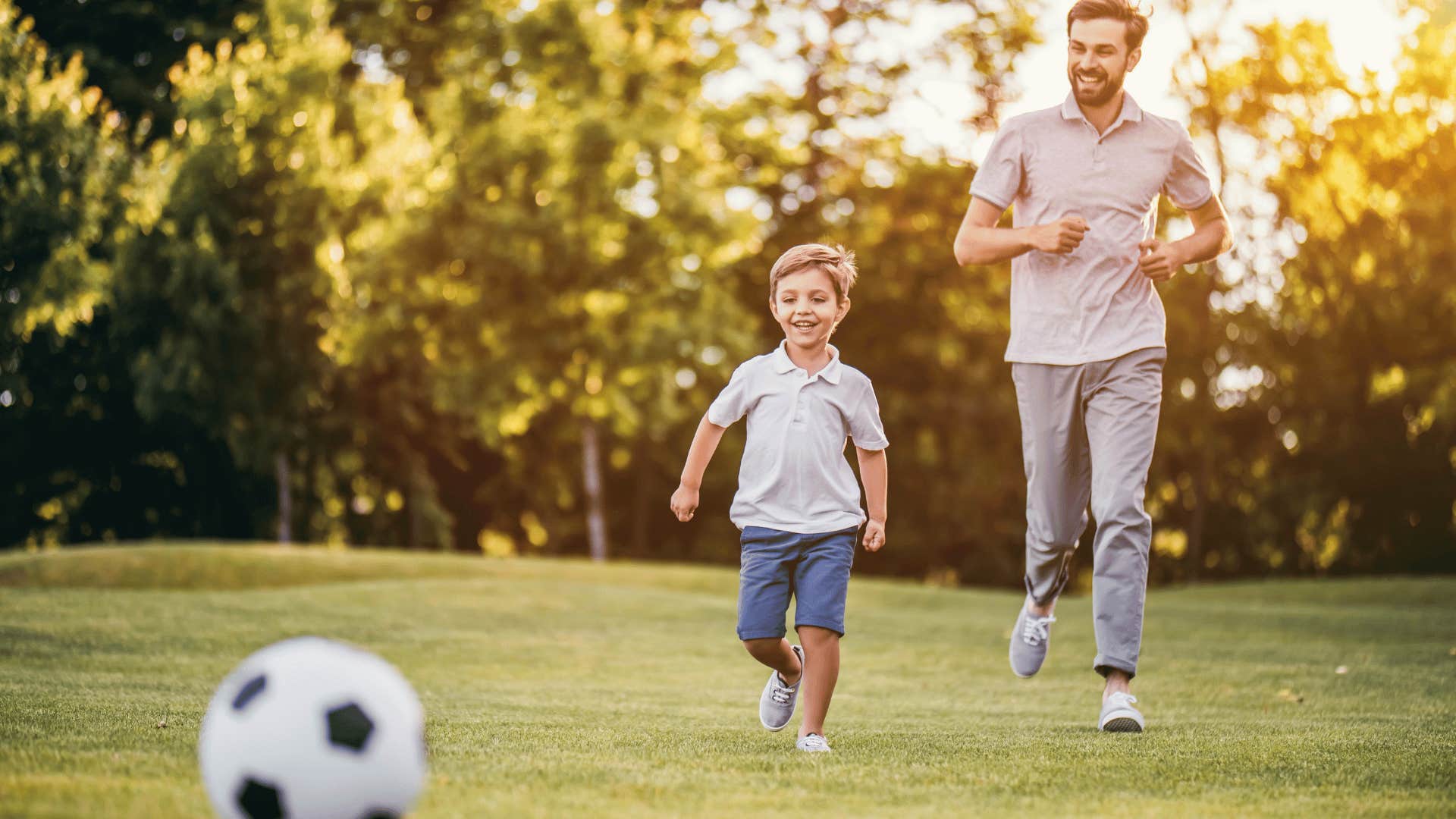
We go outdoors as often as the weather permits. We walk a lot. We like to explore. At the park, I enjoy running around with them. It helps keep me in shape, and I like to think it keeps me young. I'm better able to keep up with my kids, who have much more energy. Plus, it's so much fun!
Research on outdoor play shows that it improves kids' physical health and cognitive development, and one of the biggest factors in how much time children actually spend outside is whether a parent is willing to go out with them. An involved parent who keeps up with their kids at the park is not hovering; in a lot of ways, they are the reason the outdoor time is happening at all.
4. Helicopter parents rarely miss a thing
 Getty Images / Unsplash+
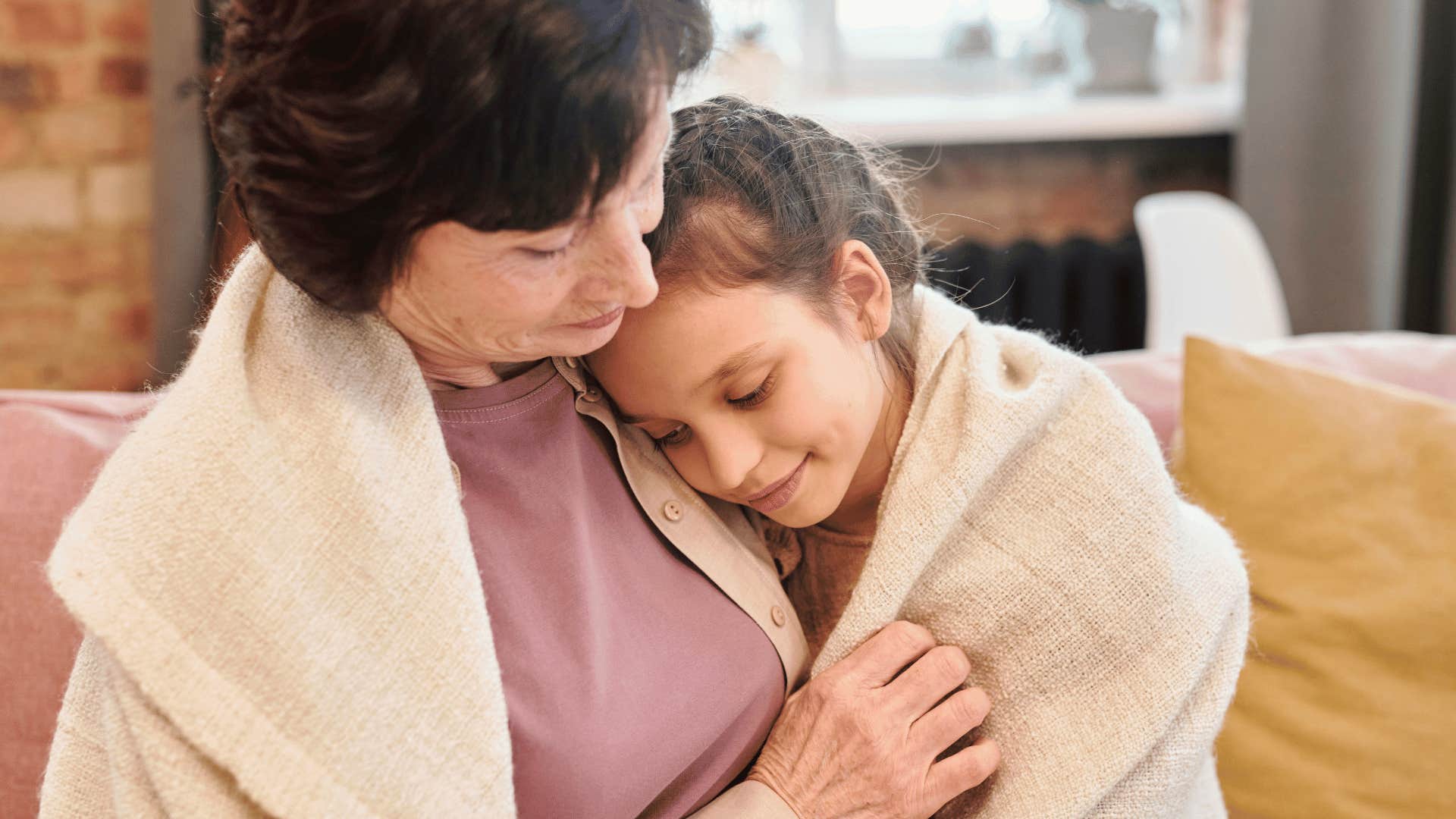
We can all relate to this one. Your kid is under the weather and super clingy, and we do our best to give her extra love and cuddles. In this situation, we're willing to do anything for her, just as long as she gets better.
According to attachment therapist Eli Harwood, physical closeness and parental presence are among the most powerful tools a child has for feeling safe, especially during stressful or uncomfortable periods. Staying right by a sick kid's side is what a secure, responsive relationship actually looks like.
5. Helicopter parents are deeply observant
 Getty Images / Unsplash+
My firstborn was born with a congenital heart defect. He died after only nine days. The experience left me heartbroken; it also left me vulnerable.
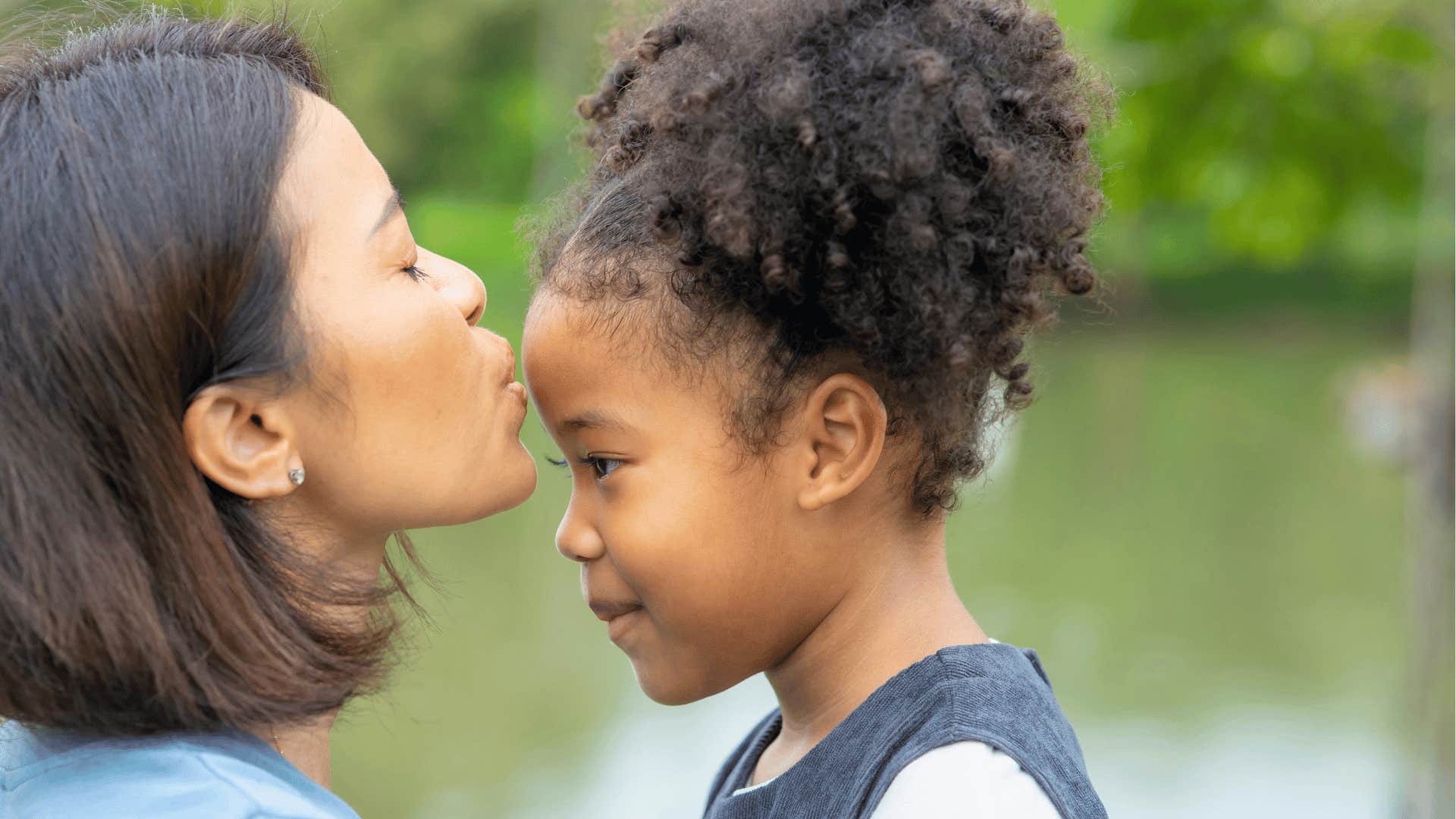
Sometimes, helicopter parenting isn't about anxiety or control — it's about a child who genuinely needs more. Some disabilities aren't visible to the naked eye. My daughter appeared totally normal, but around the time of her first birthday, she was diagnosed with hypotonia, or low muscle tone.
She also had sensory processing challenges that made noisy, chaotic environments like playgrounds genuinely harder for her to navigate safely. Staying close wasn't hovering — it was responding to something real happening in her nervous system.
I couldn't imagine anything ever happening to my subsequent children. Every time they got sick or hurt, I feared the worst. I kept them very near and dear and was, at times, afraid to let them go.
A 2025 study on helicopter parenting drew an important distinction between controlling involvement driven by a parent's ego and attentive closeness shaped by a child's real vulnerabilities or a parent's prior experience of loss. Parents who have lived through something devastating hover because they have already learned the hard way what can happen when you're not paying attention.
Kathleen Sullivan is a freelance writer and full-time mom. Besides YourTango, her work can be found on The Huffington Post, Scary Mommy, Grown and Flown, xoJane, and Parentco.
