
People Who Can't Wait For Daylight Saving Time To End Usually Have 5 Actually Legitimate Reasons
 Bricolage / Shutterstock
 Daylight saving time ends in less than three weeks. At 2:00 AM on Sunday, November, 2026, most people in the US will move their clocks back by one hour to 1:00 AM. If you’re anything like me, you’re probably looking forward to getting the extra hour of sleep. The truth of the matter is that there are actually several other benefits we get from standard time that people who would prefer to see daylight saving time stay permanently in place don't usually stop to think about.
5 reasons some people are absolutely ready for daylight saving time to be over
1. They want the extra hour of sleep
 Andrea Piacquadio from Pexels via Canva
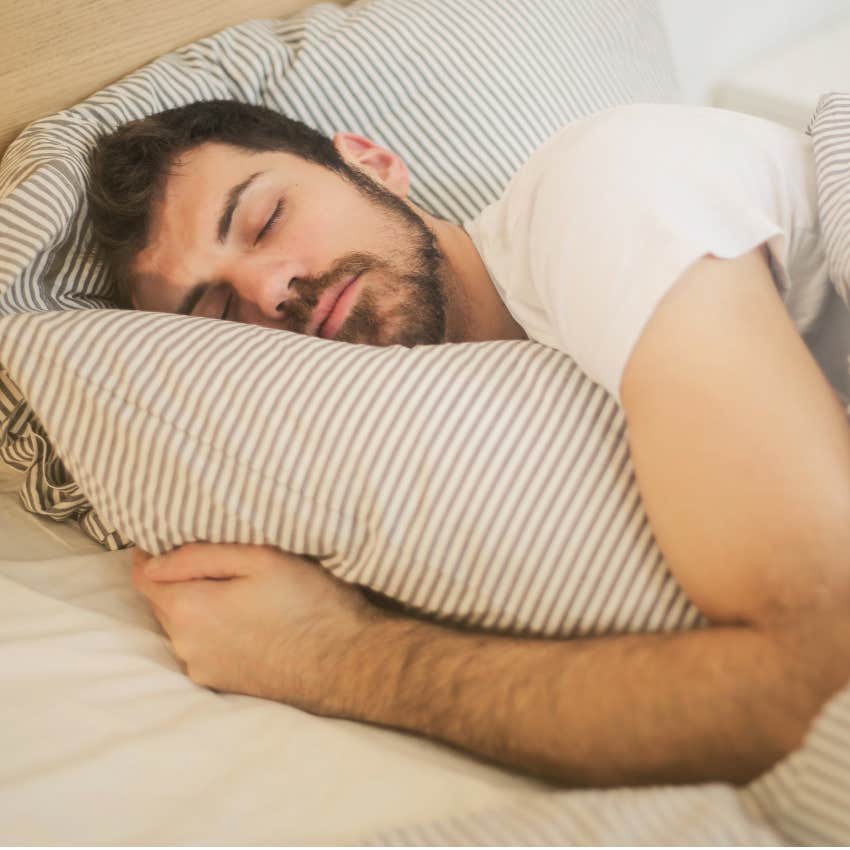
One of the main reasons people look forward to the time change is sleeping in a little longer. When Daylight Saving Time starts, it causes us to lose an hour of sleep. The thought of getting that hour back can feel relieving, even if the reality is a bit complicated.
During the time change, most people don’t actually sleep another full hour. Instead, they may wake up at their usual time over the following days after the time change. But this is still the start of our bodies regulating our biological clock.
2. Standard time means better circadian alignment
You might not get more sleep the first night, but you will experience better sleep over time. Sleep research shows that Standard Time coordinates with our body’s circadian rhythm.
As our mind and body adjust to the change, we will see positive shifts from within. This is because there is more daylight in the mornings. We'll find ourselves waking up easier and becoming more alert as we move through the winter.
3. Standard time protects heart health
 Jelena Danilovic from Getty Images via Canva
The extra hour and improved circadian rhythm during standard time might bring a few health benefits along with it. We know daylight saving time can negatively affect our sleep, but it can harm other areas of our health.
Research from Stanford Medicine shows lower occurrences of strokes when standard time is permanent. By switching back to standard time in the fall, we can better protect our heart health in the long term.
4. Daylight saving time causes social jet lag
Social jet lag happens when your biological clock and your daily schedule aren't aligned with one another. It can cause problems in everything from your energy levels to your eating habits.
It can be caused by slight changes to your sleep schedule or by daylight saving time. Since standard time is better for our circadian rhythm, it would bring an end to the chronic lag. It will help more people with social jet lag sleep better and feel more energized throughout the day.
5. They feel more productive in the mornings
 shapecharge from Getty Images Signature via Canva
The end of daylight saving time has been linked to increased productivity. Research from the University of Oregon found that the time change can affect workers' productivity.
During the spring, when the time moves forward one hour, productivity is negatively affected for weeks. When the time changes again in the fall, productivity increases. The boost is believed to come from workers getting more sleep. It shows that better sleep can play an important role in workplace performance and output.
Aricka Croxton is a writer with a Bachelor’s Degree in Creative Writing from the University of Michigan who covers relationships, self-help, and wellness.
