
9 Things That Used To Be Everywhere 20 Years Ago But Have Slowly Disappeared Without Anyone Noticing
 Kittyfly | Shutterstock
 "The only constant is change," as the old saying goes, but that seems especially true over the past couple of decades. Arguably, day-to-day life hasn't changed as much since the Industrial Revolution as it has in the 21st century, in ways both good and bad, as technology has exploded and altered nearly every aspect of life.
Some of these changes are obvious, of course. Social media didn't exist at all at the turn of the century, and AI seemed so futuristic back then that the idea of having it as a feature in our hand-held supercomputers sounded like a hackneyed sci-fi plot. But other changes in our lives are much more subtle. Recent discussions on Reddit revealed a surprising handful of changes that have flown under the radar in recent years, despite how massive some of them are.
A few things that used to be everywhere 20 years ago but have slowly disappeared:
1. Red eye in photos
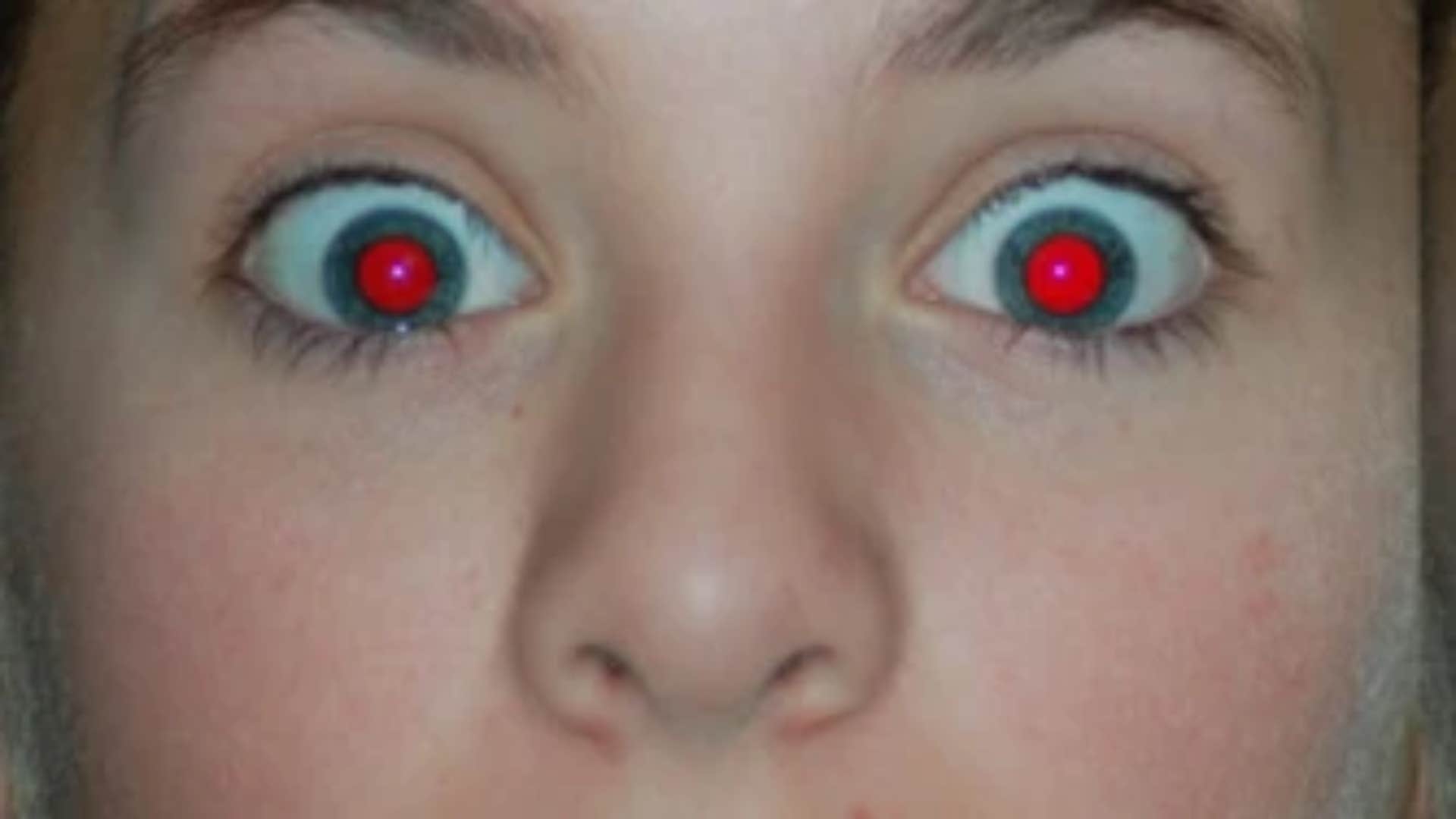 Hydrargyrum | Wikimedia Commons | Canva Pro
Wait, what happened to red eye in photos?! The once-ubiquitous phenomenon of finally picking your photos up at the drug store (or the Fotomat; remember the Fotomat?!) and having everyone in them peering out at you like aliens is very much a thing of the past.
This is because cameras have developed corrections for what causes red-eye. That terrifying red eye was simply the result of camera flashes reflecting off your retinas as your pupils suddenly dilated in response. Modern cameras use pre-flashes to dilate your pupils before the photo is taken, plus built-in software that removes red-eye without you ever knowing it happened.
2. Boredom, patience and waiting
 Suthida Phensri | Shutterstock
One of the greatest things about smartphones is that we never, ever have to be bored. Sitting in a waiting room before a doctor's appointment? Scroll the things! Is your friend late to lunch? Scroll the things? And, as you'll notice with horror if you start looking around: Sitting in traffic? Scroll the things! Behind the wheel of a moving automobile!
But this is actually both bad and sad for us. For one, it's made us all impatient, but more importantly, studies have found that boredom significantly boosts creativity, which may explain why every "new" TV show is now a reboot of a show from 20+ years ago. Hard to have any new ideas when you never, ever have an empty, dull moment, literally ever.
3. Blue tint on windshields
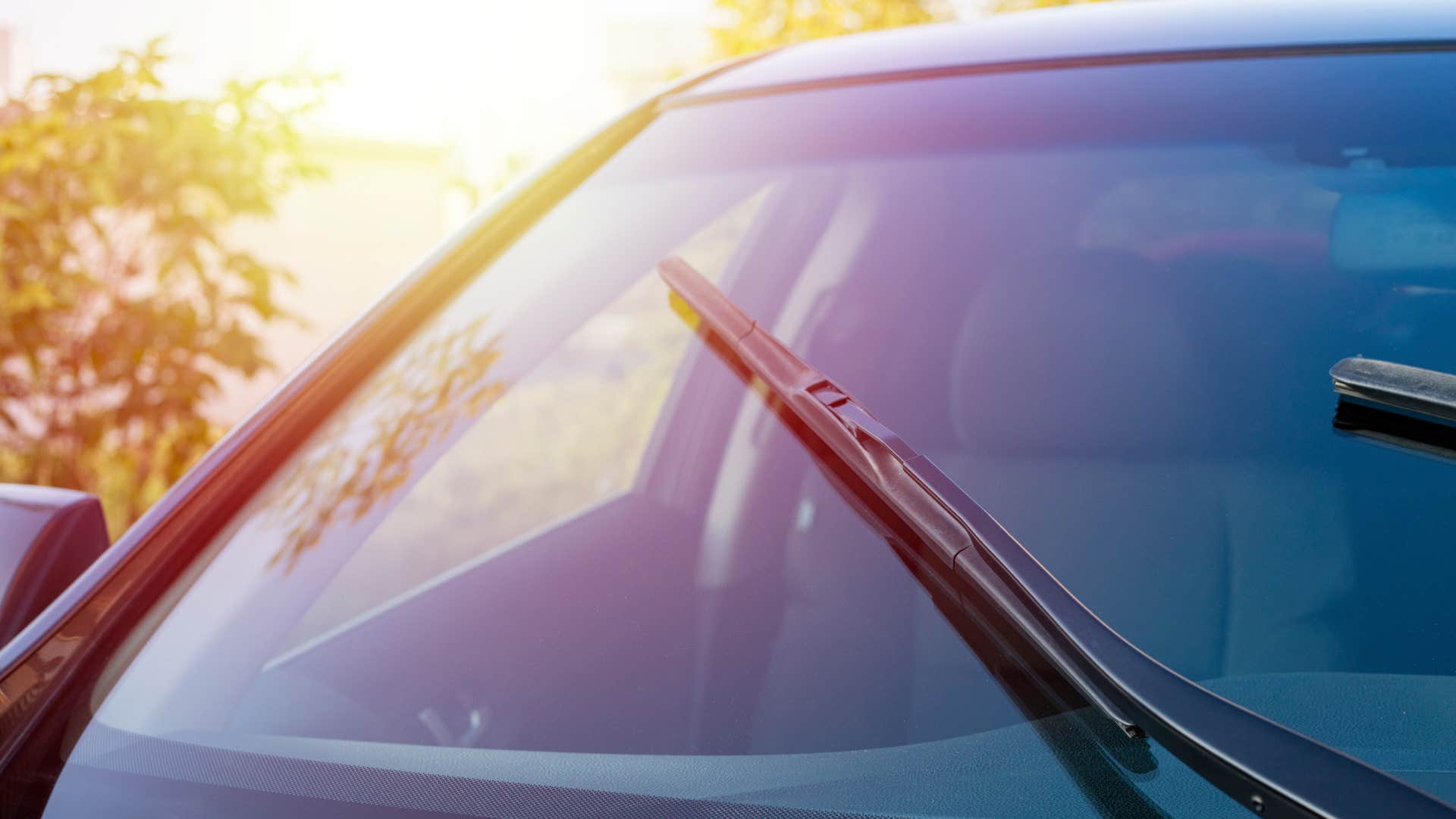 Art_rich | Canva Pro
The real term for that blue (or sometimes green) strip at the top of a windshield is a shade band, and it was meant to do exactly what it sounds like: keep the sun out of your eyes and reduce glare, especially around sundown. It also helps prevent UV damage to parts of your car's interior.
They still exist, even on many new cars today, but they're far less common than they once were. Today, many manufacturers use windshields that are fully tinted blue, green, or gray, though much lighter than those old shade bands.
4. Ownership of anything, really
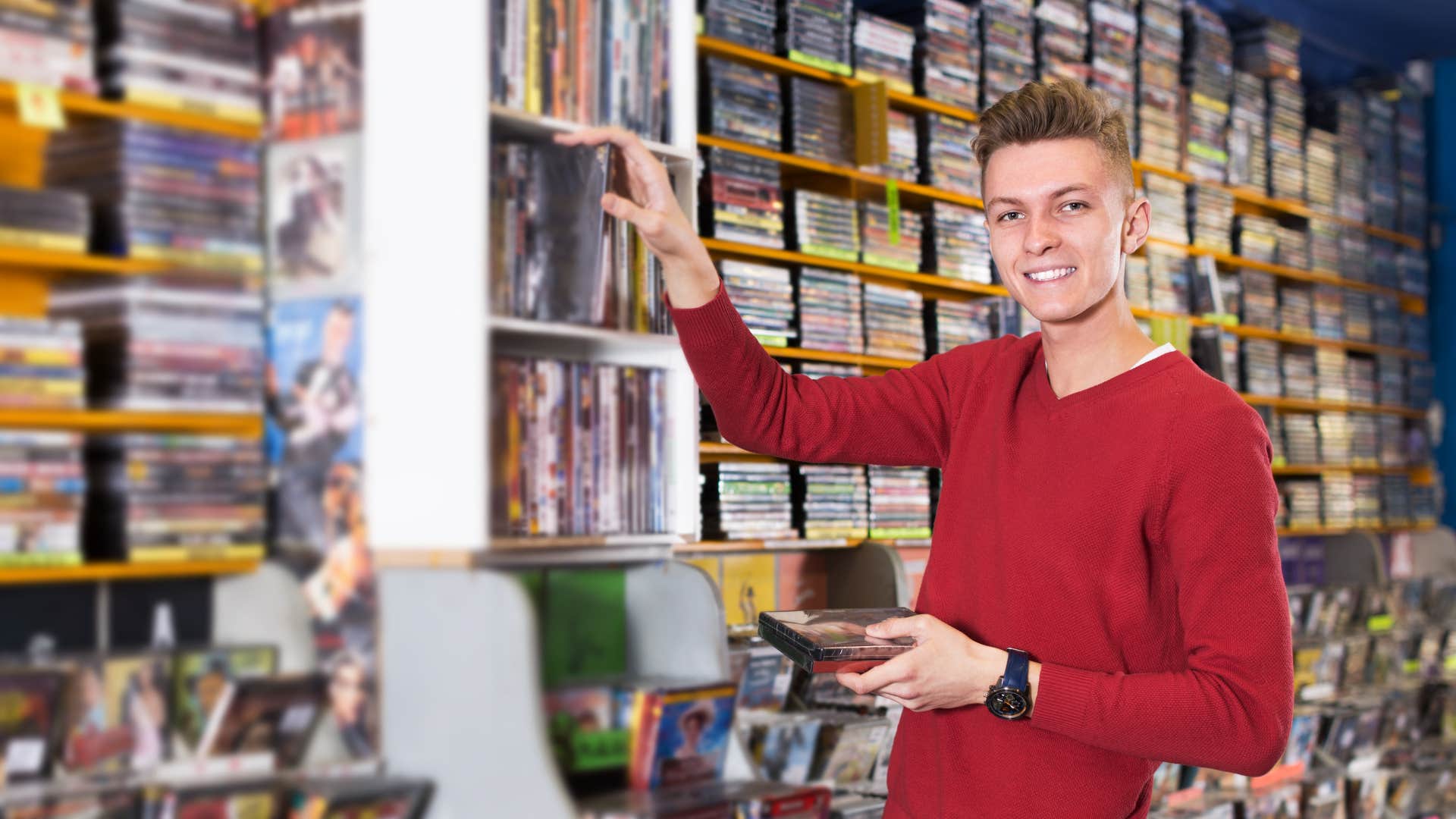 BearFotos | Shutterstock
We used to buy software, DVDs, records, tapes, CDs, magazines, newspapers, and all kinds of stuff. Now, everything (absolutely everything) is a subscription service. And once you stop paying that monthly fee, what you bought often goes away until you cough up the money again. Even the phone book is a fee-based subscription now! Speaking of which…
5. Phone books
 Bojan Milinkov | Shutterstock
If you're under, say, 35, this will probably sound actively insane, but the phone company — that was the company you paid to have a phone that was wired into your wall, which is a thing we all used to have — would once a year drop a giant book on your doorstep with every person's and business's phone number in it.
They also had all kinds of other useful information, like, for certain parts of the country, what to do if an earthquake happened. Kids also used to sit on them at the dinner table as a sort of booster seat. Phone books really used to be an all-purpose item. Now? For obvious reasons, they basically don't exist anymore. Most phone companies stopped making them in the 2010s, in part because it was illegal to put cellphone numbers in them. You can still access the phone book's information online, though; if, and pretty much only if, you pay a subscription fee.
6. Monarch butterflies and fireflies
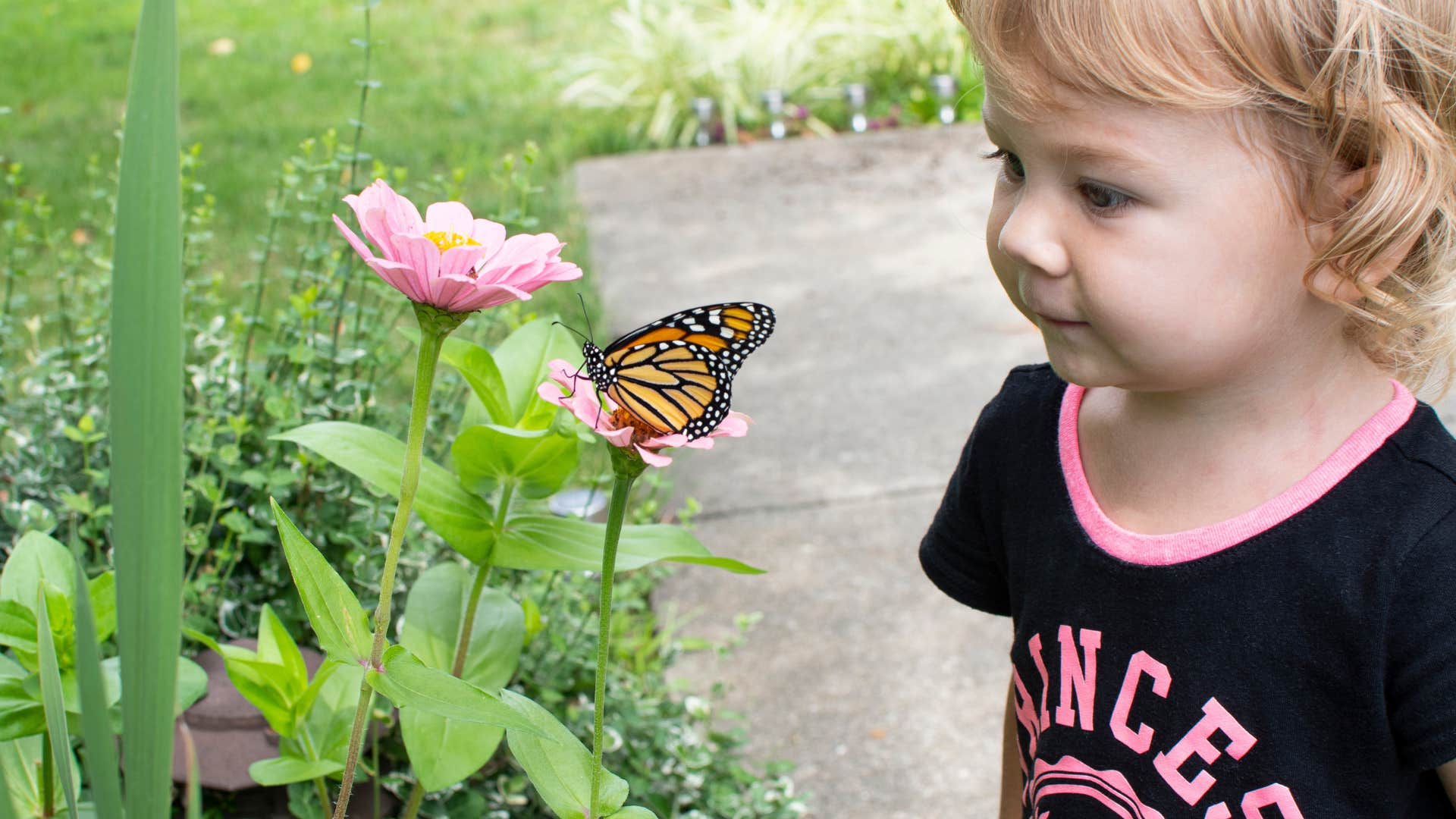 Ana Sha | Shutterstock
Insect populations have declined by a shocking 75% in the past 50 years, thanks to everything from climate change to the proliferation of insecticides in agriculture. If you're old enough to remember summer nights spent catching hordes of fireflies in a jar, you've probably noticed that kind of activity is nearly impossible now. Same for the once-ubiquitous monarch butterfly, which recently declined by 59% in a single year. Now, just 5% of the population of a few decades ago remains.
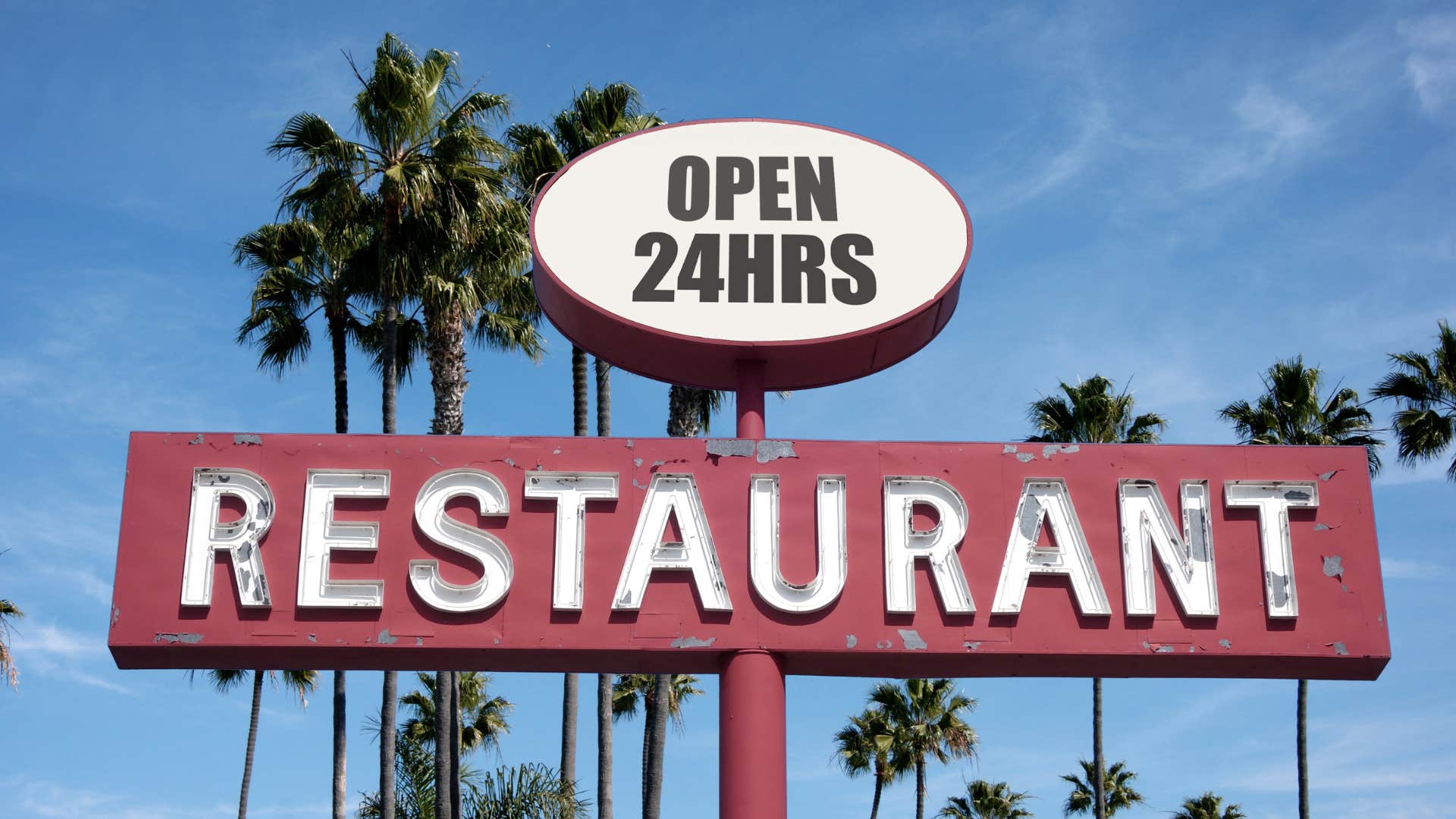
7. 24-hour grocery stores and diners
 J.D.S | Shutterstock
I grew up in Michigan, and in that period of life, when you're old enough to drive but too young to do anything else, you went to Meijer, the local chain of 24-hour Walmart-like megastores. You and your friends would get a slushie, browse the CDs, try on clothes, and loiter all night, or just do your grocery shopping at 1 a.m. without a crowd.
When I moved to Los Angeles after college, I couldn't believe the place didn't have a Meijer equivalent. How did people live like this?! How foolish I was, because 24-hour stores, diners, gyms, laundromats, and everything else are now almost entirely a thing of the past. This is mainly because the pandemic forced overnight closures, and that change has stuck because of everything from staffing shortages to soaring costs to consumers' shifting habits.
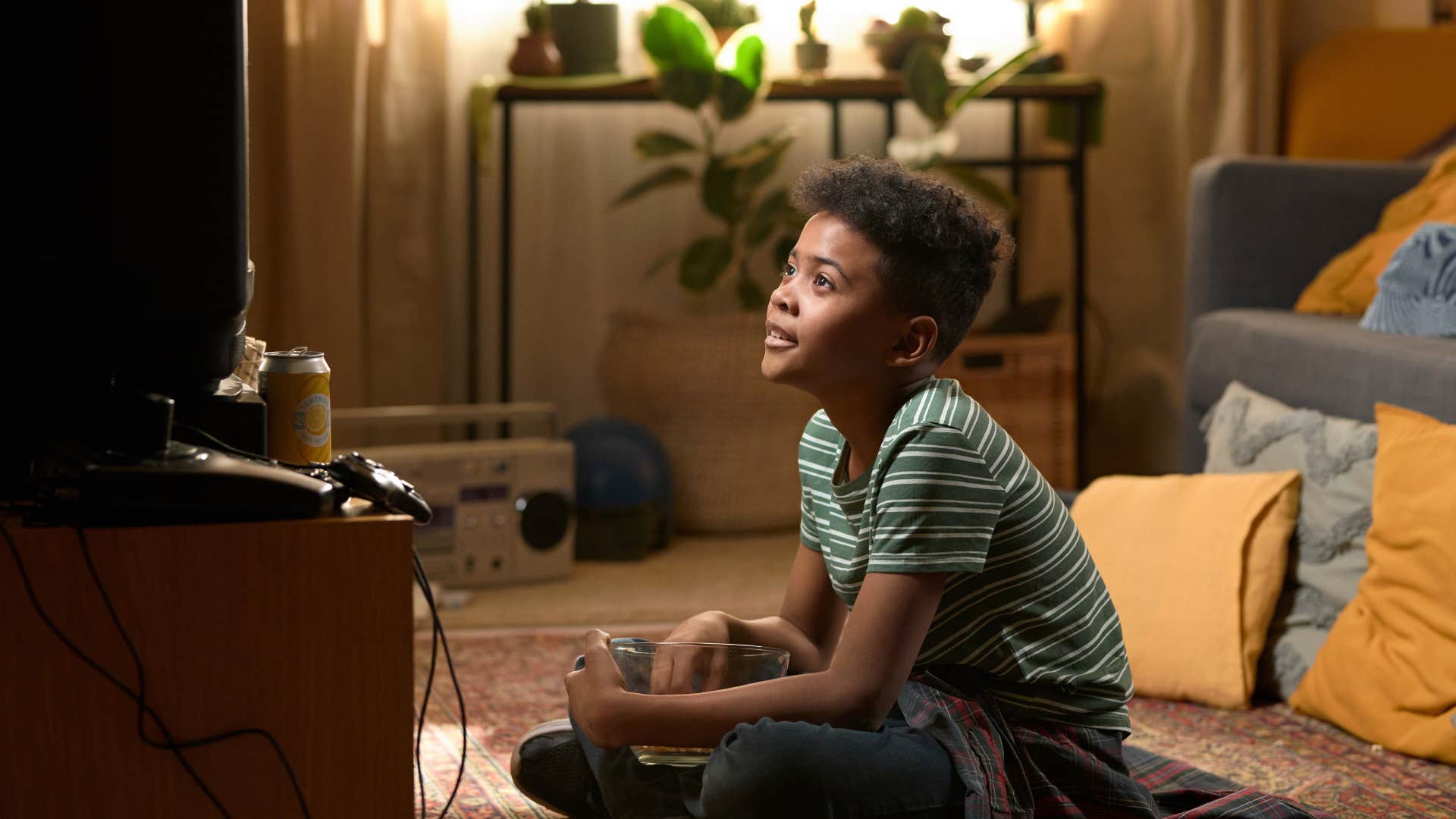
8. Saturday morning cartoons
 Pressmaster | Shutterstock
Here's another thing that those of you under a certain age probably have no context for, but Saturday morning used to be "appointment television" for kids back in the day. When I was a kid in the 80s (he said, reclining into a rocking chair under the blanket of his long white beard), I'd get up at 6 a.m. every Saturday and build a blanket fort in which to watch hours of "Looney Tunes" and "Muppet Babies" and "Smurfs" until my mom got up to make breakfast. It ruled.
That all changed in the 2000s, when TV networks stopped creating cartoons and opted for a mix of reruns and cheap cartoons outsourced from other countries, which led to the timeslot's declining popularity. Networks then opted for educational, live-action programming to fulfill government mandates for kid-friendly content, much of which still airs today. But that stuff just doesn't hit the same as Teenage Mutant Ninja Turtles and a bowl of Cap'n Crunch.
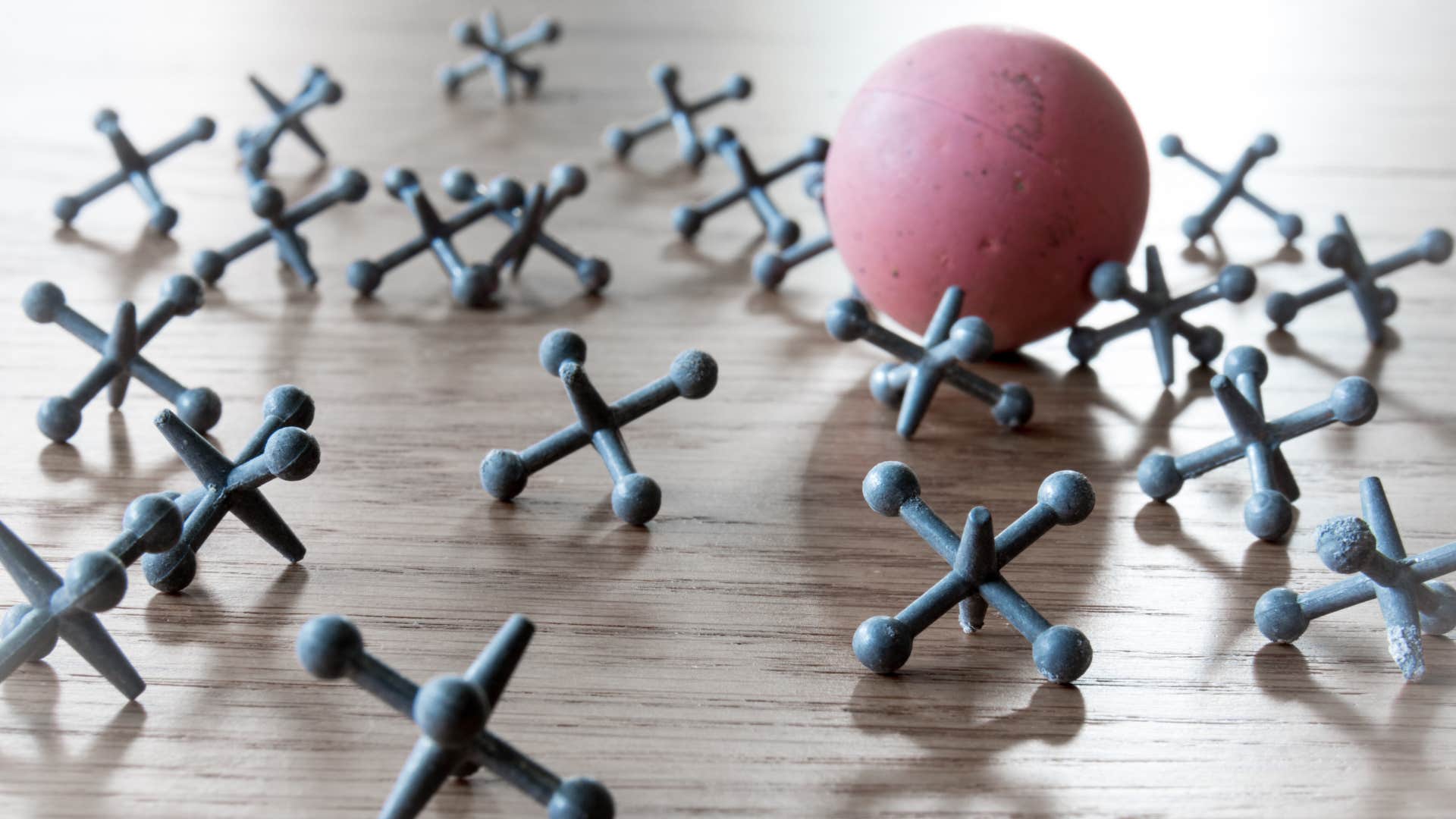
9. Jacks and other kids' games
 weaver1234 | Canva Pro
Games like hopscotch and jacks seem to have not only disappeared, but most kids today don't even know what they are if you ask them. To do my journalistic due diligence, I just FaceTimed my 8-year-old nephew and asked him what these are, and he said, "What are you even talking about?" without looking up from whatever Minecraft is.
Yes, it's because of screen time that kids don't know about these simple games, and yes, I'm among those who think that's incredibly sad because, in the case of jacks, at least, kids have been playing this way since ancient times. Kids in ancient Egypt and Greece played a version of the game called "knucklebones," because they used, well, the knucklebones of sheep for the jacks themselves.
Games of jacks have been found in ancient caves in Ukraine and on ancient pottery in the Mediterranean. There's even evidence that Cro-Magnon parents had their kids play a primitive version of the game to teach hand-eye coordination. Now, the very concept is practically foreign. Change sure is constant, alright.
John Sundholm is a writer, editor, and video personality with 20 years of experience in media and entertainment. He covers culture, mental health, and human interest topics.
