
People Who Are Done Pretending To Like People Usually Do 8 Things In Social Settings
 Peter Austin | Shutterstock
 We are taught at an early age to be polite, and that can morph into putting up with people we don't particularly enjoy spending time with just to keep the peace. People who stop being fake, however, share unique behaviors that let them be true to their feelings.
The truth is, being overly polite can undermine us. We can feel ourselves slipping away as other people’s needs become more and more important. If someone is done putting people they don't particularly like first, they’ll start prioritizing their own happiness and well-being.
How to tell when people stop pretending to like people they don't enjoy spending time with:
1. They stop laughing at things they don’t find funny
 MDV Edwards | Shutterstock
The fake laugh. We’ve all been there. There is always pressure to laugh at someone’s jokes, even if they are far from funny. Sometimes, they can be outright offensive. Even if we feel this way, we still try to be polite by giving a little chuckle. It’s disingenuous, but it’s how we’re taught to treat people.
If someone is completely over liking someone, they won’t be afraid of the awkward silence that comes with it. Gone are the days of pretending something is funny when it is far from it. They’ll save their laughs for something they find genuinely funny.
2. They’ll leave early without guilt
How many times have you stayed at a social event because you felt like you had to? When someone feels glued to a situation to appease everyone around them, their needs take a back seat because they fear judgment. Once they have completely given up on pretending to like people, this behavior changes.
They’ll leave an event without guilt. Once they’re done worrying about what others think, they will have an easier time advocating for themselves. It takes work to get there, but once you let go of people-pleasing tendencies, it becomes easier.
3. They stop putting others' needs before their own
When someone makes themselves overly available to everyone around them, it can take away from self-care. Let’s be honest, we were never meant to be this available to everyone around us. We’re always a phone call or text away from others, and when they reach out, it can be difficult to shut them down to focus on yourself. The reality is that our phones are actually straining our relationships. Once someone stops caring about others, it’s easier to stop this behavior.
If they get a call or text they don’t want to answer, they’ll simply ignore it. They don’t feel the pressure most of us do to make everyone around us happy. Instead, they choose to put themselves first.
4. They don’t smile if it isn’t genuine
 PerfectWave | Shutterstock
A fake smile can show that someone is hiding how they truly feel. Sometimes, it can be a sign of depression or a way to keep people around them satisfied. Again, this often goes back to our need to be polite. Smiling through it all is expected and can take a serious toll on our mental health.
We value sharing a smile, but not everyone is prepared to fake it until they make it. When you stop caring what others around you feel, it’s easier to drop that fake smile. Not meeting this social expectation sends a message: You don’t care about the feelings of others who aren’t benefiting you.
5. They look at their phones mid-conversation
Scrolling on our phones in a social setting is seen as disrespectful. When someone is talking to us, we’re expected to give them our full attention. What happens when we’re done putting on a show? Instead of going along with what someone they don’t like is saying, someone who is done pretending to like those around them will pull out their phone without shame.
Our phones act as a security blanket. I definitely do this. When I’m stressed out, I’ll pull out my phone and start scrolling to relieve awkward situations. It’s an impulse, not something I intentionally do. However, someone who dislikes another person will scroll to make a point: They aren’t listening anymore.
6. They refuse to over-explain
When I do something I feel like other people will be upset about, I try to overexplain it. If I cancel plans because I don’t want to go, I’ll feel like I have to come up with a grand excuse to explain why I’m not showing up. It’s a defense mechanism. Some people genuinely can’t break free from this behavior because they fear others being mad at them.
Once someone stops caring about other people’s opinions, over-explaining often goes out the door. They don’t feel the need to please the people around them. Rather, they say what they think directly, no matter how it will impact anyone else.
7. They drop the small talk
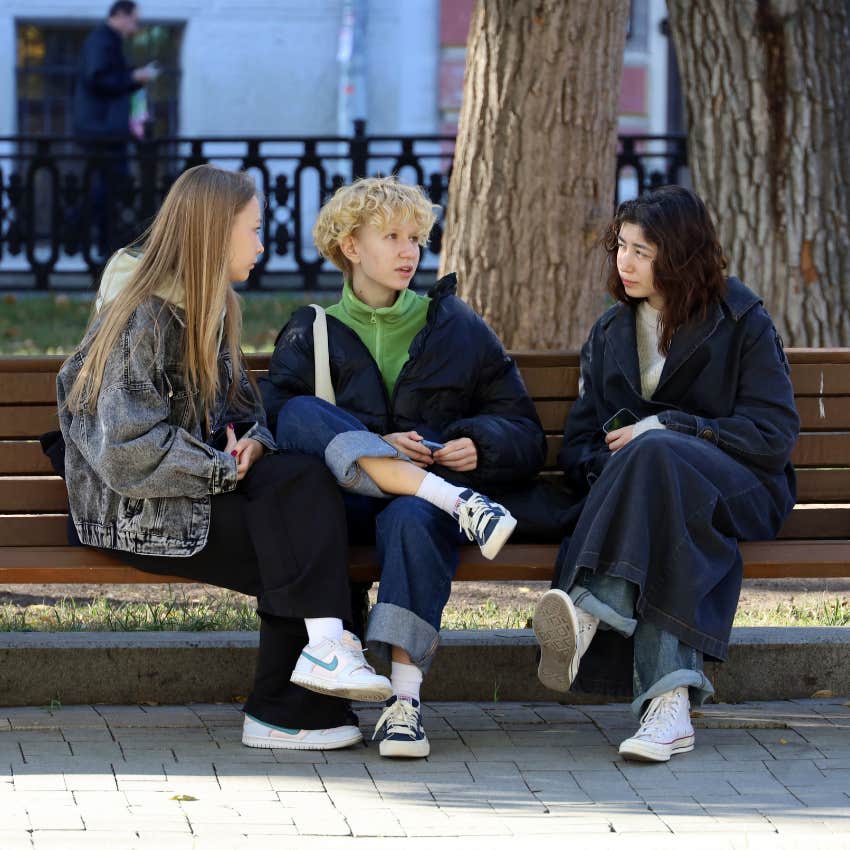 Oleg Elkov | Shutterstock
Small talk can be seriously exhausting. We use it to form friendships with other people. It’s a way to get to know someone, but not something everyone is into. Other times, it’s a way to talk with people we have nothing in common with. This could be a friend of a friend, or someone we don’t necessarily like. When someone is done putting on a face for people they don’t care about, they’ll cut the small talk.
Small talk shows we are willing to chat with people, but often, we don’t actually want to. I know I’ve been there. Letting go of that feeling to please everyone can make it easier to put your foot down and walk away without feeling like you need to have a polite conversation with them.
8. They stop doing what is expected of them
A study found that social expectations guide how we think about others. Often, we want them to reciprocate the behavior we give them. Some social pressures might be engaging in small talk, showing up for someone whenever they need you, and hanging out in group settings even if you’re not exactly friends with everyone. We want other people to like us, so we’ll follow these social ‘rules’ to keep everyone happy.
Expectations are often broken by people who are done pleasing everyone else. Instead of engaging in this behavior, they’ll flip the script and act true to themselves, rather than how others think they should.
Haley Van Horn is a freelance writer with a master’s degree in Humanities living in Los Angeles. Her focus includes entertainment and lifestyle stories.
