
People Who Feel Left Out Even With Their Closest Friends Say 6 Sad Things In Casual Conversation
 Pavel Danilyuk | Pexels
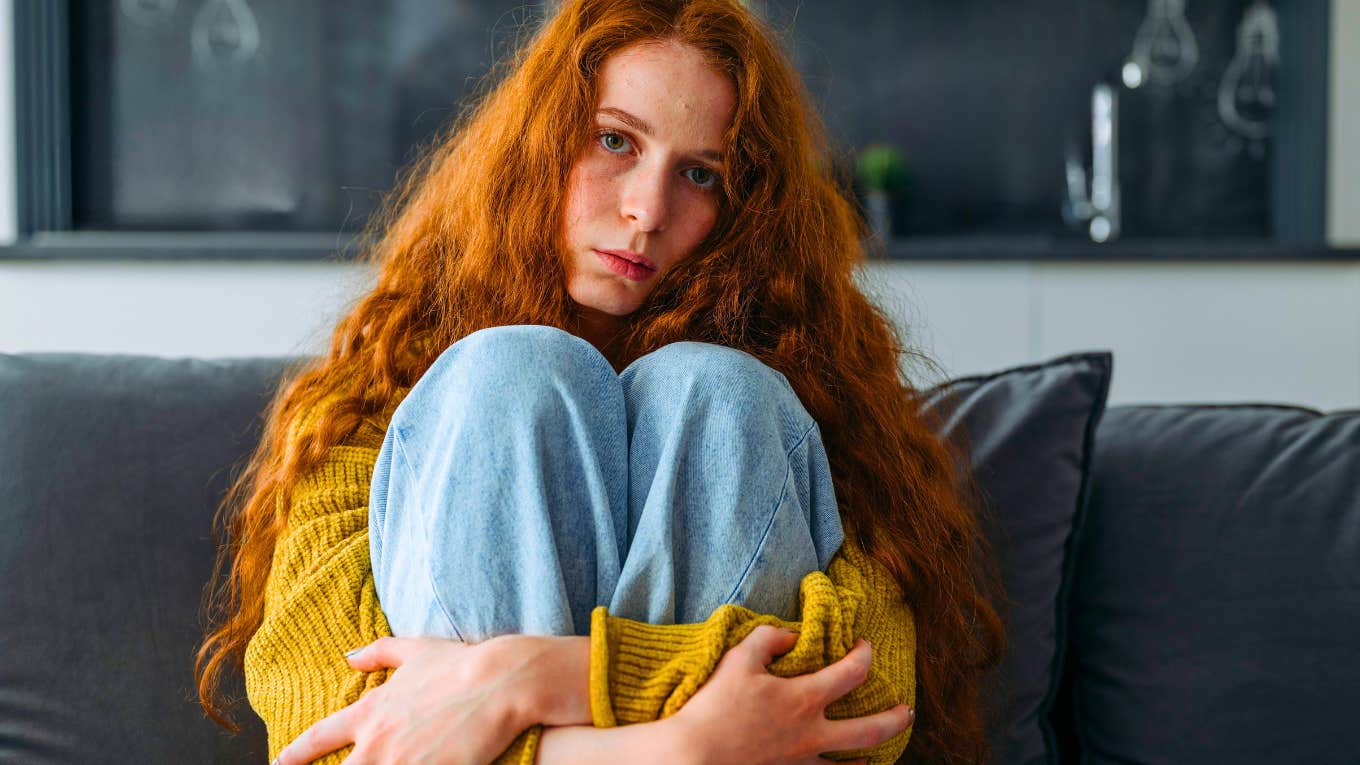
 Feeling left out doesn't always look like sitting alone at a party. It can look like laughing while quietly wondering why you weren't included or hearing people talk about a memory you weren't part of.
Social exclusion is painful, but people who experience it don't always verbalize it. They often use phrases to express their sadness at feeling rejected, even by the people they're closest to.
Things people say when they feel left out, even with good friends
1. 'I didn't know you guys were doing that'
 RDNE Stock project | Pexels
This phrase can sound completely harmless because it's just information, but there's a second meaning hiding behind it. It essentially means "Why wasn't I told?" When someone says it, they're expressing their pain.
What hurts is discovering that everyone else seemed to know something they didn't. They may begin to question their place in the group, wondering if their friends are actually loyal to them. They may start spiraling, asking themselves how many things they haven't been invited to or if they're deliberately left out.
There isn't always an obvious answer. Sometimes, friends genuinely forget or plans happen spontaneously. And when someone already feels insecure about their place in a friendship, even a small instance like this can confirm the fears they have.
2. 'You guys are so close'
When someone says "you guys are so close," it's revealing because it sounds like a compliment. However, it's them explaining that they wish they felt that close to the other person.
People who feel left out are often very observant about other people's relationships. The more someone notices, the easier it becomes to compare. That can be lonely, even when everyone around them is being kind.
There's a difference between being welcomed into a group and feeling deeply woven into it. A person can laugh with you and genuinely enjoy your company, but may still feel like the friendship has a center that you're standing just outside of. This phrase carries emotional weight because it's admiration, but also longing.
3. 'It's fine, I probably wouldn't have gone anyway'
This sounds casual, but it's actually just a defense mechanism someone says when they're feeling hurt about being left out. They're likely in denial that the people closest to them would exclude them. It's emotional self-protection, because if they convince themselves they didn't want the invitation in the first place, they don't have to face the truth.
People don't always want to attend every event, but being invited can still matter. An invitation says that someone thought about you or that you're part of the group. So, when someone is repeatedly left out, they may eventually stop caring about the actual activity and start caring about what their exclusion seems to say about their friendship.
"I probably wouldn't have gone anyway" is a shield to protect their pride. They don't have to admit they were disappointed or risk hearing an answer they might not like.
Unfortunately, repeatedly sweeping these feelings under the rug doesn't make them disappear, it just makes them accumulate.
4. 'I feel like I missed something'
Someone saying "I feel like I missed something" probably comes up in the middle of a normal conversation where an inside joke is referenced. Everyone laughs, but then a person smiles because it's awkward.
Emotionally, this phrase can mean "Why don't I know what's happening in my own friend group?" Feeling left out isn't always about being physically excluded, it's also about feeling out of the loop or not being there when a decision is made. That can be uncomfortable among close friends.
Friendships don't require everyone to know everything, as people have separate relationships and private conversations. And while healthy friendships allow for that, someone who already feels like an outsider may see it differently.
When they laugh and say they missed something, rather than directly admit they're feeling excluded, the humor makes it safer. They can ask for a back story without revealing how much the situation hurts them.
5. 'I'm just used to being the extra friend'
 Vitaly Gariev | Pexels
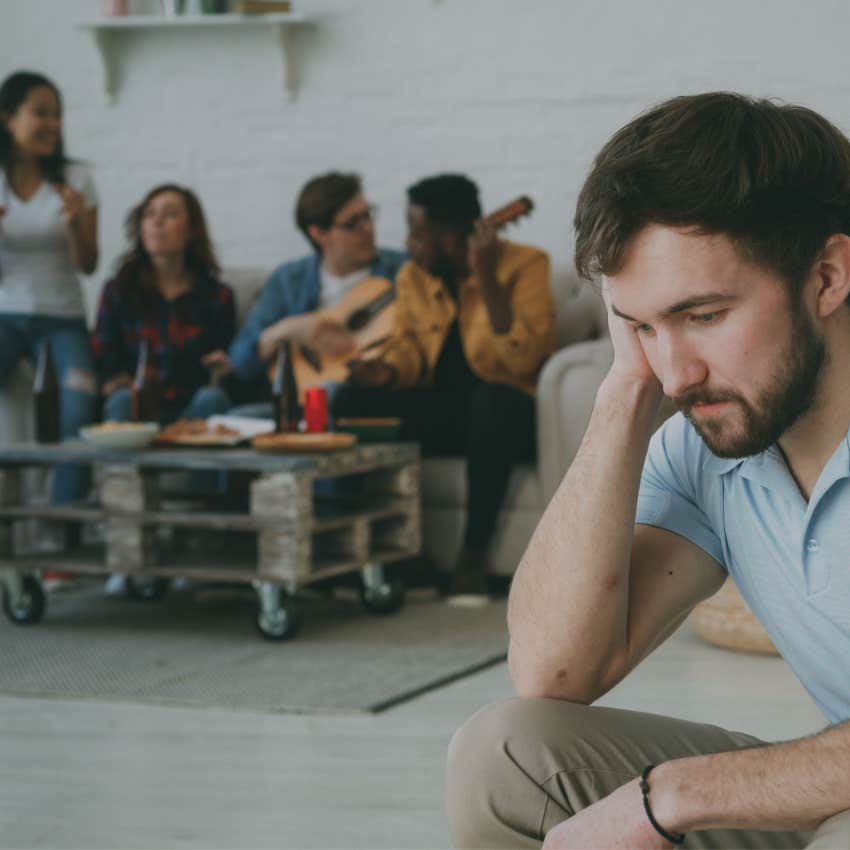
This might be the most painful thing someone can say. It reveals that the exclusion has become part of their identity, and they're used to being left out. It feels like they're never anyone's first choice, and they just expect it at this point.
They may behave differently and stop asking to be included at all. Independence can become a way of avoiding rejection, but eventually, it can morph into complete isolation and loneliness.
Someone who has repeatedly felt like an extra friend or a burdensome friendship may decide it's easier to expect less. That can make them look independent, but they may still desperately want someone to make them feel chosen.
It's painful to feel left out, especially when you're surrounded by people you genuinely care about.
6. 'You don't have to invite me to everything'
By using this phrase, the person being excluded is trying to reassure their friends that they're okay. After all, no friend can be included in every single thing. But there's a difference between saying it because you genuinely understand the boundaries of friendship, and saying it because you're trying to convince yourself that you shouldn't care.
It really means "I don't want to seem needy" or "I don't want to admit that I noticed how often I'm left out." People who feel excluded aren't always looking for constant attention, but they may be seeking out recognition from their friends.
When someone feels like nobody is thinking of them when plans are made, they're trying to make their own disappointment smaller before anyone else can dismiss it. They're giving everyone permission not to worry about their feelings, and that's very lonely.
MeShanda Deason is a writer with a BFA in Creative Writing from Stephen F. Austin State University and minors in Business Communication and Literature who covers storytelling, culture, identity, and human connection across editorial, journalism, and marketing spaces.
