
Dogs With 6 Rare Personality Traits Form Almost Human-Like Bonds With Their Owners, Experts Say
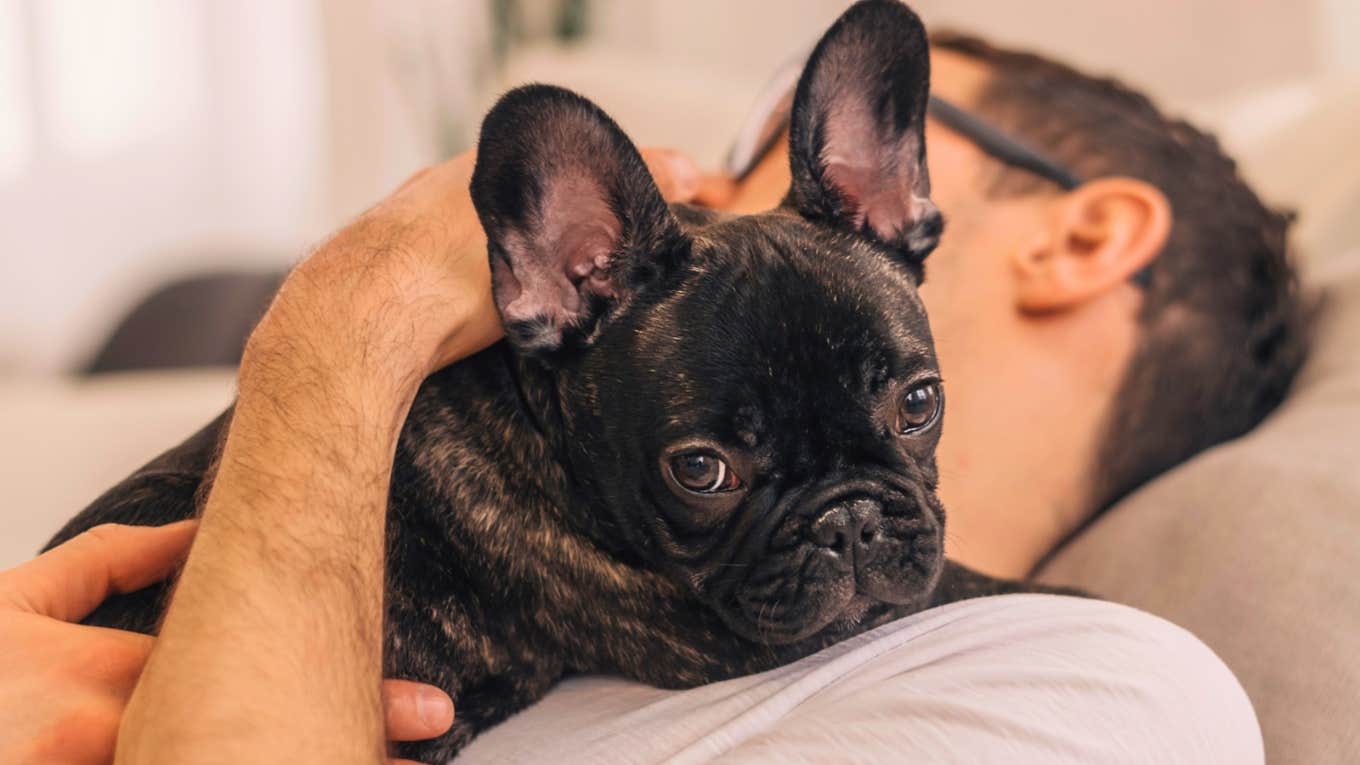 Tatiana Buzmakova | Shutterstock
We take care of our animals and make sure they're happy, but the dog-owner relationship is truly mutually beneficial.
There's a reason why dogs with certain rare personality traits form humanlike bonds with their owners. And they're not so different from the traits we admire and feel safe around in humans.
Dogs with these traits form humanlike bonds with their owners
1. They have a unique kind of empathy that helps them bond quicker
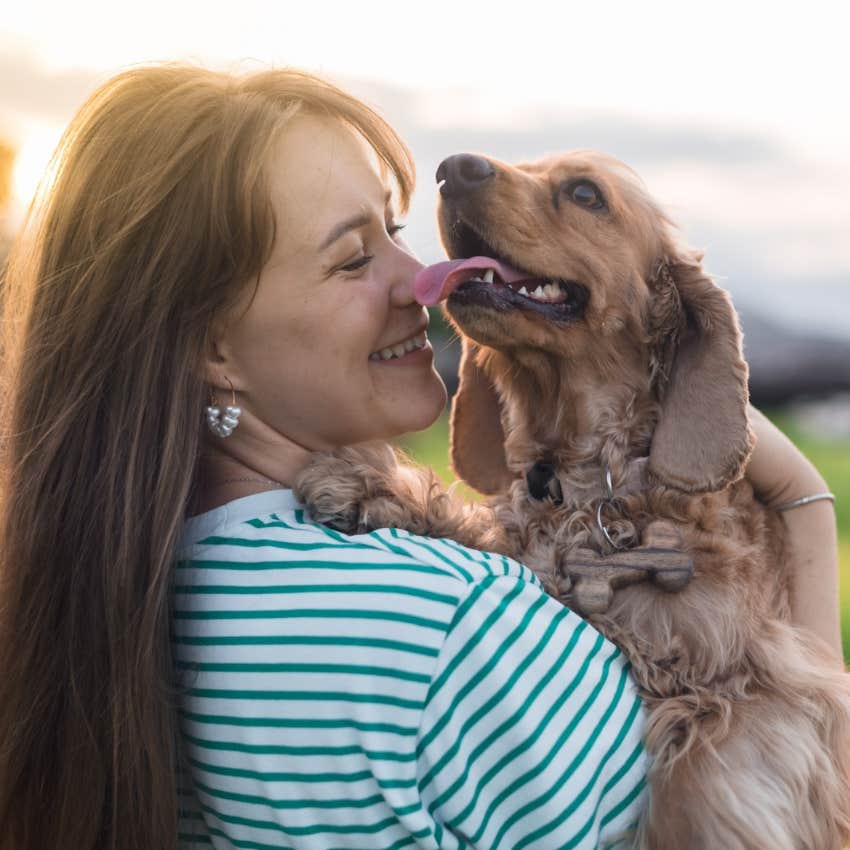 Kandybka Alina | Shutterstock
Despite not having the same experiences, dogs have the capacity for empathy. They can understand their owner's emotions to some extent, and often change their behavior depending on what their owners are going through. It's this kind of emotional bond that people underestimate with pets, but that shows up in small ways every day.
They can notice pain and be a comforting presence. They can feel our stress and make us laugh. They can even differentiate between humans we enjoy being around and those we don't.
"Since dogs share their natural environment with us humans, our emotional vocalizations are likely to be of relevance to them," University of Veterinary Medicine Vienna researcher Annika Huber says. "It indicates our close relationship. If dogs increasingly express behaviors indicating negative emotional states in response to negative emotional sounds, it's reasonable to interpret this as being driven by emotional contagion."
2. Their social skills empower them to ask for help from their owners
Many dogs, often early in their lives, will turn to their owners for help when they can't figure something out or solve a problem on their own. While this kind of help-seeking behavior may look a lot different than it does for humans, often manifesting with unbreakable eye contact, it's just as powerful.
As a Stanford Medicine study explains, receiving help from others makes us feel good, but offering help is also very good for our stress levels. So, even when we don't realize the nuances, our dogs may be alleviating our stress and negativity by just needing us.
That's the kind of supportive, close-knit bond that changes the game for dog owners and their pets.
3. They notice familiar humans and create a calmer environment
A 2015 study found that dog-pet owner bonds look quite similar in practice to caregiver-infant ones. When it comes to emotional connection and safety, the presence of one or the other reduces stress for both.
Considering dogs build trust and familiarity with their owners over time, spending quality time with each other regulates everyone. And there's so much more. Dogs bring people together and create healthier routines. They help us combat loneliness and even boost our mood.
"Dogs were described as being fountains of positivity, inducing good feelings in their human," psychologist Vinita Mehta says. "Pet owners didn't just bond with their dogs... having a dog also helped them bond with other people, as the commonality of having a beloved pet brings individuals together."
4. They change their behavior to mesh better with their humans
Humans and their soul dogs often form strong bonds because their routines align and they're not constantly stressed trying to meet the other's needs. That's partially because dogs shift their own behavior to align with their owner's routines.
While all the complexities of a dog's mind aren't obvious right now, we do know that they're driven by a desire to be with their owners and to please them.
They're not just following routines because they memorized them, but because they want to be around their humans. And that kind of companionship is powerful.
"New brain imaging and genetic tools are letting researchers explore how dogs think and feel in ways that weren't possible before," ethology professor Enikő Kubinyi reveals. "We have only begun to understand the complexity of the canine mind and the human-canine bond."
5. They're more cooperative and trainable with people they trust
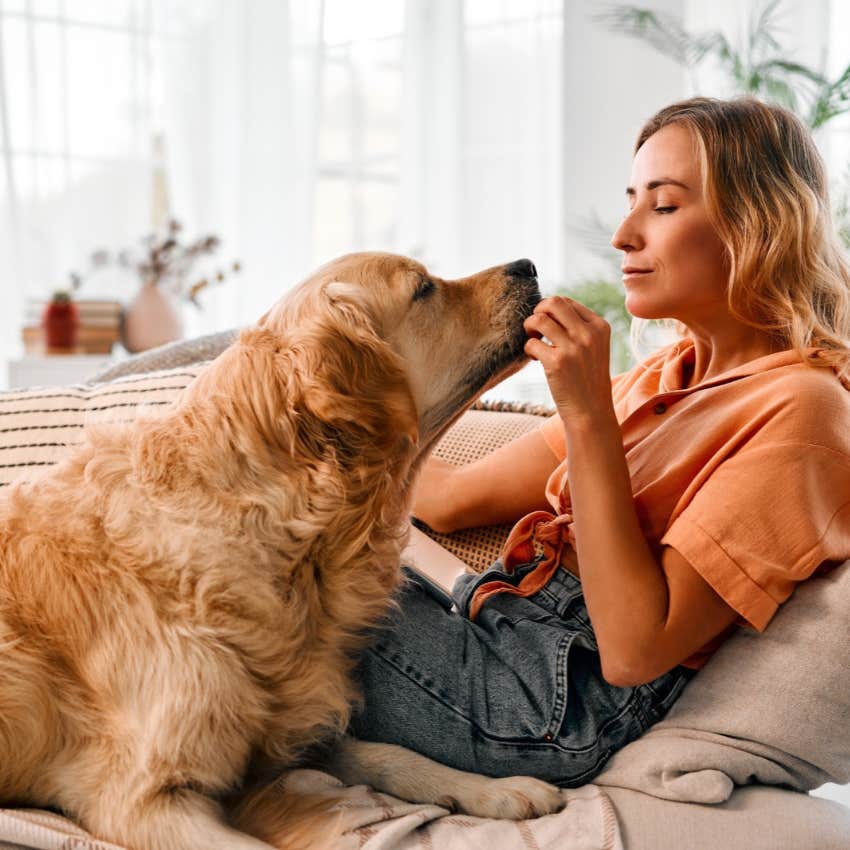 Harbucks | Shutterstock
A study from Animals found that dogs with high social motivation are more likely to be cooperative with their owners. But that isn't just an innate trait. It's one that can also evolve as a human's bond with their pet grows and they continue to build trust.
They get out of their shell. Their personality comes out. They feel safe, instead of being in defensive or in constant survival mode. Our dogs may also sense when other humans are rude or cruel to us, and adjust their behavior to support us.
"Our pets are using the information that they gain from those observations to form opinions about the individuals that we interact with," psychology professor Stanley Coren says. "Put simply, if someone... acts in an unhelpful or unfriendly way toward the dog's owner, they will snub or avoid that person in future interactions."
With a dog who wants to please their owner, wanting them to be happy and laughing, this kind of cooperation is bonding. There's less tension and conflict, but also a bond driven by unconditional love.
6. They can read emotional cues in their humans
Dogs can recognize all sorts of visual and auditory cues that allow them to sense how their owners are feeling, according to a Biology Letters study. So, if you've been sad and watched your dog's behavior change to comfort you, it might not be a coincidence.
This kind of behavior strengthens their bond, but it also becomes more consistent when the bond is established and trust is already there.
"Being a species that we've lived and co-evolved with for thousands of years, it kind of makes sense that dogs would learn to read our emotions because it might be helpful to them to know if there's something threatening in the environment or some stressor that they need to be aware of," veterinarian Dr. Zoe Parr-Cortes explains.
Dogs' episodic-like memory allows them to recall past events, and the more they get to know their owners, the easier it is for them to sense and decode emotions. If you come home from work feeling stressed and immediately go to the couch, your dog might be able to sense that stress from your emotional cues and behavior.
Zayda Slabbekoorn is a senior editorial strategist with a bachelor's degree in social relations & policy and gender studies who focuses on psychology, relationships, self-help, and human interest stories.
