
People Who Grew Up In The 80s & 90s Usually Have 5 Hobbies That Make Them More Emotionally Intelligent
 Gorgany / Shutterstock
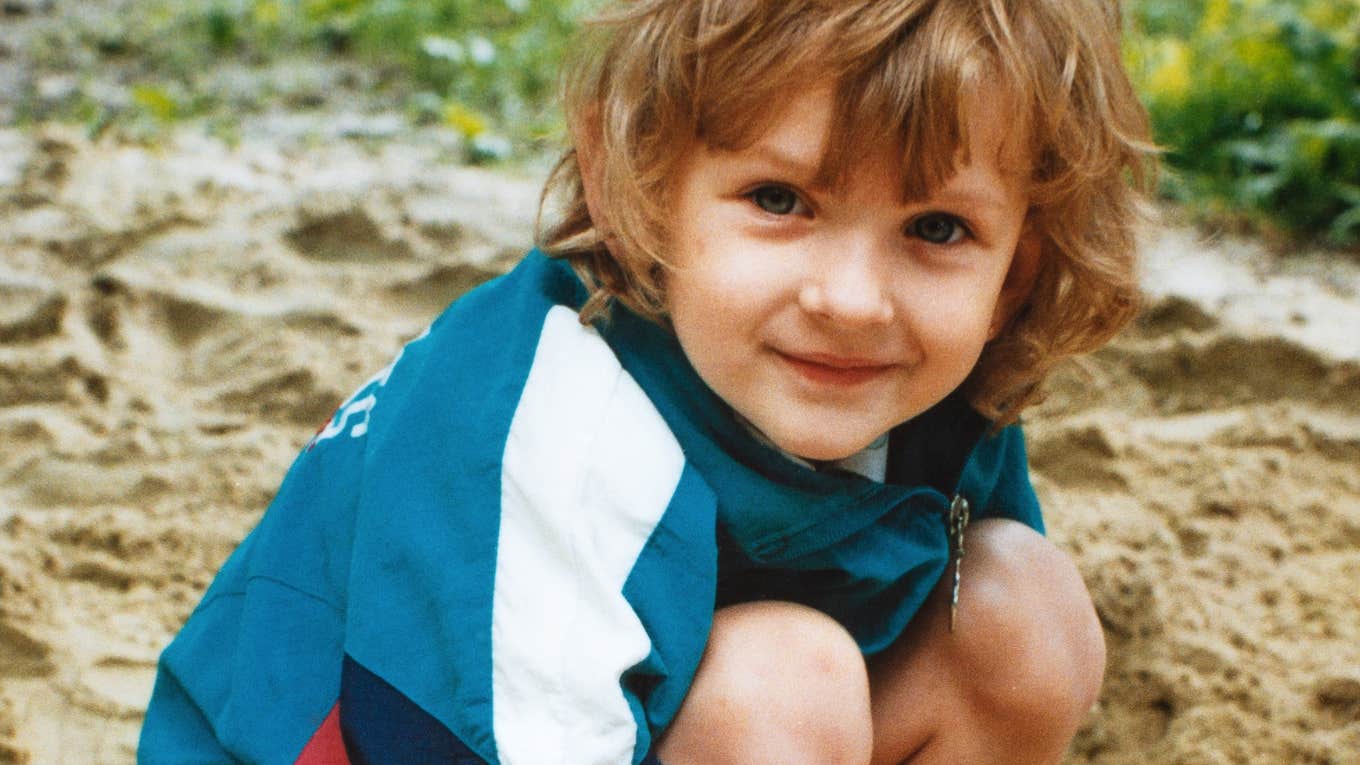
 Growing up in the 1980s and 90s must have been pretty cool. Kids had way more freedom to explore and have all kinds of experiences without worrying about anyone catching their mistakes on video.
Now that they're in their late 30s to early 50s, people who grew up back then still enjoy many of the old-school hobbies that they loved when they were kids. And because so many of those activities are based on connecting with others and gathering information, they are often more emotionally intelligent than they might be otherwise.
People who were kids in the 80s & 90s often have hobbies that make them more emotionally intelligent as adults
1. Reading
Although it’s nice to have an unlimited amount of shows to watch anytime, that doesn't mean people should stop reading. Watching TV doesn’t benefit you in the same way that reading a book can.
Kids growing up in the 80s and 90s weren't constantly distracted by phones, and many loved filling their time by reading. When you read, you exercise your imagination and explore all kinds of realities you'd never experience in real life.
Reading stories about characters from unfamiliar environments boosts empathy, which is an extremely important aspect of emotional intelligence. It also lowers stress and anxiety by taking you out of your environment and into the story’s setting, which frees you up to be more present in your daily reality.
2. Playing team sports or instruments
 kool99 from Getty Images Signature via Canva
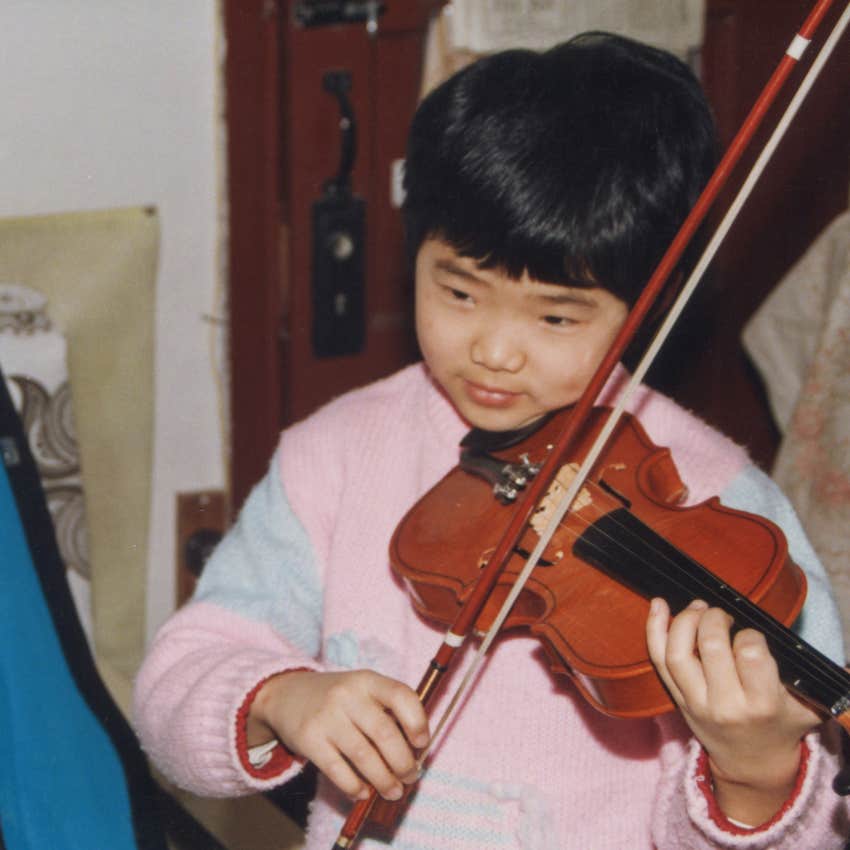
Kids who grew up in the 80s and 90s filled their free time by doing lots of extracurricular activities, including team sports and playing instruments. Even when they had access to video games and home computers, there were fewer ways to connect with their friends if they weren’t with them in person, so they looked forward to getting together with them for regularly scheduled practices, classes, and games after school or on weekends.
They joined their school's band or participated in sports so they’d have a fun way to spend their time and connect with their friends. That taught them teamwork and the emotional intelligence needed to work with others, even when they didn’t get along. They had to practice letting go of negative emotions and prioritize the team.
3. Making playlists
Saving your favorite music worked differently back then. When someone wanted to hear a specific song but didn't want to pay for the album, they'd record it from the radio on a cassette. And when they really cared about someone, one of their favorite ways to show them was to make them a mixed tape full of meaningful songs.
It could take a long time to wait for that many songs to come on the radio, so they might also make a recording from a CD or another tape, both of which weren't exactly lightning-fast methods either. Taking the time to do it right and pick just the right songs to express what they were feeling required patience and care.
Now that they are adults, they often love creating shared playlists on iTunes or Spotify to express that same kind of devotion.
4. Scrapbooking
 ZHARKOVA IRINA via Canva
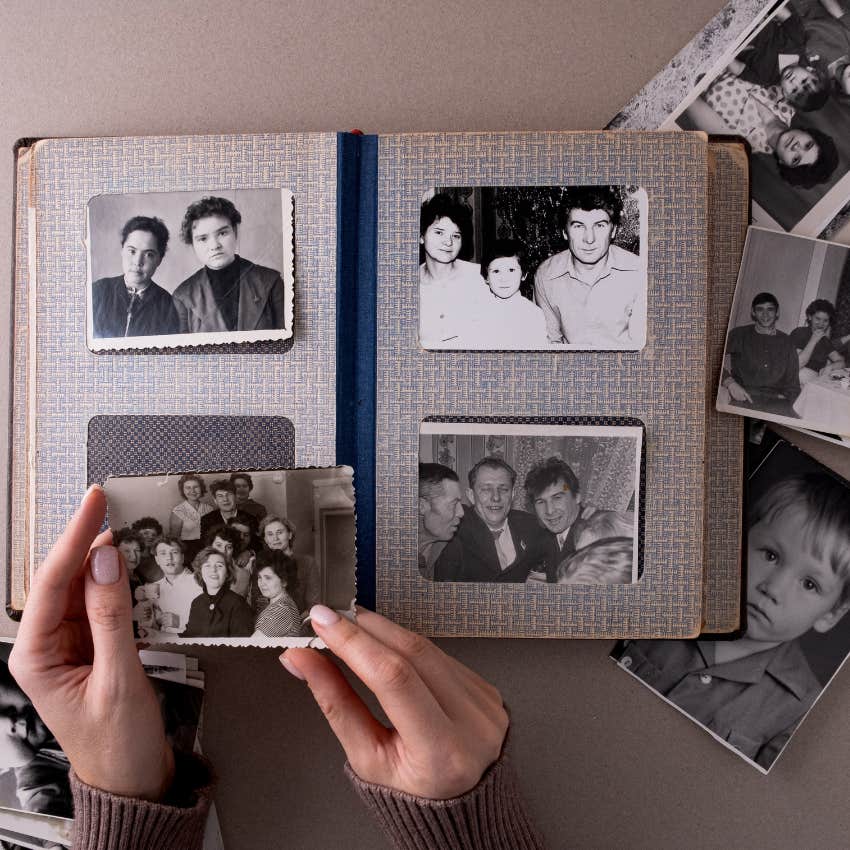
Many people raised in the 80s and 90s liked to print out pictures they'd taken on their cameras. Sometimes they chose to put them all together in a scrapbook. It was a fun way to share their memories with the people around them.
Now, people can just post on social media to do the same thing. But while social media allows you to share the important moments in your life with others, it doesn’t develop someone’s emotional intelligence as much as scrapbooking does.
These projects usually take a lot of time, and during the process, people have the chance to reflect on the memories from their pictures. People who reflect on their experiences naturally become more emotionally intelligent as they start to see their experiences from other perspectives. In the moment, emotions can get in the way, but by looking back, people can view their lives a little more objectively. This helps them identify which behaviors or habits they want to keep and which they want to get rid of to make their life as happy as possible.
5. Playing video games
Not all the activities 80s and 90s kids did were that different from the things kids do now. Both generations grew up enjoying playing video games. In the 80s and 90s, kids just played them a bit differently. They went to arcades to play games with other kids who lived nearby. They still gained social skills and emotional intelligence while playing. They could learn more conflict-resolution skills from arcade video games than kids today can from video games on their Xbox.
No one likes a sore loser, but kids today can hide the fact that they’re upset about losing by simply turning off their device. Since they’re not with their friends, they can wait until they cool down before going back to the game. In an arcade, everyone would see your immediate reaction. If someone got overly upset about losing, their friends probably wouldn’t want to play with them again, so they had to learn to lose with grace.
Lily Bell is a college student studying English and Publications who covers relationships, mental health, and personal narratives surrounding the human experience.
