
People Who Get Made Fun Of For 9 Quirky Habits Are Actually Very Intelligent
 Inside Creative House | Shutterstock
Part of being human is recognizing that we all have strange quirks. So much of life leaves us feeling like we're the only ones who do strange things.
Our odd habits are valid and valuable, bringing us glimmers of joy in a difficult world.
These quirky habits often suggest high intelligence, even though people make fun of them:
1. They talk to themselves out loud
 PeopleImages.com - Yuri A | Shutterstock
There’s much to be said against main-character syndrome, but talking yourself through everyday activities is good for you; it boosts your mental clarity. Narrating your actions helps you stay present and focused and lowers stress. Whether giving yourself a pep talk while cooking or repeating some helpful mantras during your skincare routine, this simple habit can improve your mood and mindset. Narrating what you're doing keeps you present in the moment and makes mundane activities a little more fun.
2. They lie on the floor doing nothing
 stockfour | Shutterstock
Do you ever feel so overwhelmed that lying on the floor and staring at the ceiling is the only thing you can do? Honestly, same. It might seem lazy, but decompressing on the floor is a surprisingly beneficial habit. Known as active rest, this practice realigns your spine and helps you reconnect with your body.
We live in a world of constant motion, where we're always expected to be on, to keep grinding, to push our lives forward, fast. Sometimes, the most logical thing to do is sink onto the floor and let ourselves be. Taking a moment of stillness during the day is an effective form of mindfulness, allowing your mind and body to rest and recharge.
3. They listen to their favorite song on repeat
 fast-stock | Shutterstock
Music is food for the soul. There's power in the experience of hearing a song express precisely what we're feeling, letting us know that we aren't alone. Listening to your favorite song over and over might seem like an odd habit, but there's scientific evidence that it's good for you.
Listening to a song on repeat is comforting, and it can deepen one's emotional connection to the music. A University of Michigan study found that people play songs on repeat more often than not: Around 86% of people listen to their favorite song at least once a day or a few times a week, and 60% listen to their favorite songs over and over in one sitting.
Dr. Frederick Conrad, a psychology professor and the study's lead author, pointed out that repeated listening enhances our emotional connection to the song, allowing us to recall it internally, even when it’s not playing. "Niche listening may enable listeners to develop the kind of personally meaningful relationships with particular songs that allow their affection for those songs to persist across very large amounts of exposure," he explained.
4. They obsess over their pet
 Akira AB November8 | Shutterstock
People might make fun of you for being obsessed with your pet, but it’s one kind of obsession that's good for you. Caring for a living creature takes you out of yourself, expands your capacity for love, and improves people's physical and mental health: Taking your little doggo on daily sniffy walks gets you moving your body and breathing fresh air. Letting your fluffball cat snuggle up on your chest and listening to the rhythm of their purring calms you down and soothes you.
Your dog might not need a crocheted hoodie with their face on it, but seeing them wear it makes you laugh. They might metaphorically roll their eyes when you wake them from a nap to kiss their perfect paws and bury your face in their fuzzy little belly, but that touch makes them feel as good as it makes you think.
5. They collect small treasures
 Popartic | Shutterstock
Collecting little treasures might be an odd habit that people make fun of, but keeping collections is usually associated with childhood; remember POGS? Kids keep trinkets they get in goodie bags, albums of Pokémon trading cards, and pebbles in their pockets. When we hit adulthood, we receive a clear message to take life seriously, which often means letting go of any whimsy from childhood. Your collection of driftwood won't make you rich, and it might make you seem odd, but it makes you happy, and that’s what matters most.
6. They talk to trees
 Cassiohabib | Shutterstock
Talking to trees is a way to connect with nature on a deeper level, even if it seems like an odd habit people make fun of. It connects you to the outside world, reminding you that trees are living creatures like you. Engaging with nature helps restore mental balance and health.
According to researchers worldwide, Shinrin-Yoku, or forest bathing, the Japanese practice of immersing yourself in a forest using all your senses, is good for you. Mindfully surrounding yourself with trees supports your immune system, helps with depression, lowers your blood pressure, and can even help your body fight cancer-causing cells.
Dr. Qing Li, a professor at Nippon Medical School, revealed that forest bathing can have benefits lasting up to one month. His research has shown that the longer a forest bathing session is, the more effective it will be. He recommends setting aside two to six hours to lose yourself amongst the trees so you can move slowly and truly take in the environment in a full-sensory way.
7. They make vision boards to visualize their goals
 LightField Studios | Shutterstock
Making a vision board to manifest your dream life is a habit people make fun of as something witchy and woo-woo, but it's a scientifically backed process to welcome what you want into your life. According to neuroscientist Tara Swart, vision boards are good for your brain and help you implement thoughts and create actual behavioral change.
Visualizing your goals through images activates your brain, helping to turn intentions into reality. This practice keeps your aspirations front and center, motivating you to take actionable steps toward them. Part of the power of making a vision board comes from the images you choose to represent your deepest wishes. "The brain assigns a higher value to images than written words on a to-do list, and the more you look at those images, the more those images move up in importance," Dr. Swart explained.
Making a vision board draws on visualization and repetition: When you see your goals mapped out in front of you, they become less intimidating, making you more likely to do the work to get to where you want to go.
8. They play with toys as an adult
 vhpicstock | Shutterstock
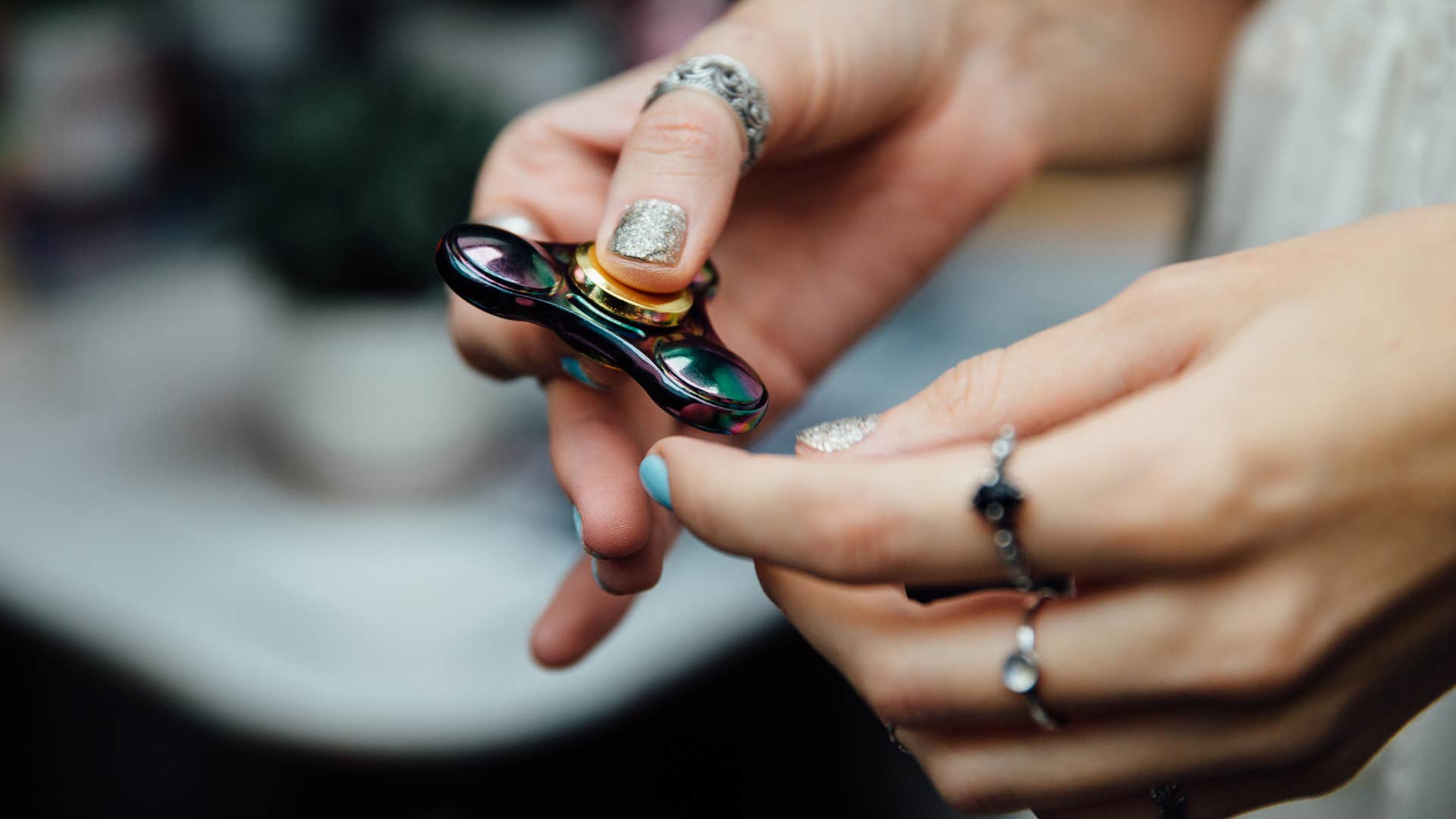
Although playing with toys is often seen as a children's pastime, dedicating time to play in adulthood may seem peculiar; however, it serves as a valuable method to relieve stress and reconnect with sources of joy. Whether it's keeping squishies at your desk or building intricate LEGO sets, playing fosters relaxation and allows you to reconnect with a sense of wonder.
According to experts Uncover Mental Health Counseling, "adulthood often brings a set of societal pressures that make fun feel like an indulgence rather than a necessity. Reframing fun as an act of self-care, as something you need to do for your quality of life, can help reduce whatever guilt you might feel about making fun a priority."
When we were kids, there was no greater pleasure than riding bikes until sunset or devoting ourselves to finger-painting, tie-dyeing, or any other messy, immersive art project. Letting yourself be playful sparks creativity and productivity, but more than that, it's just plain fun.
9. They believe in magic or superstitions
 Anton27 | Shutterstock
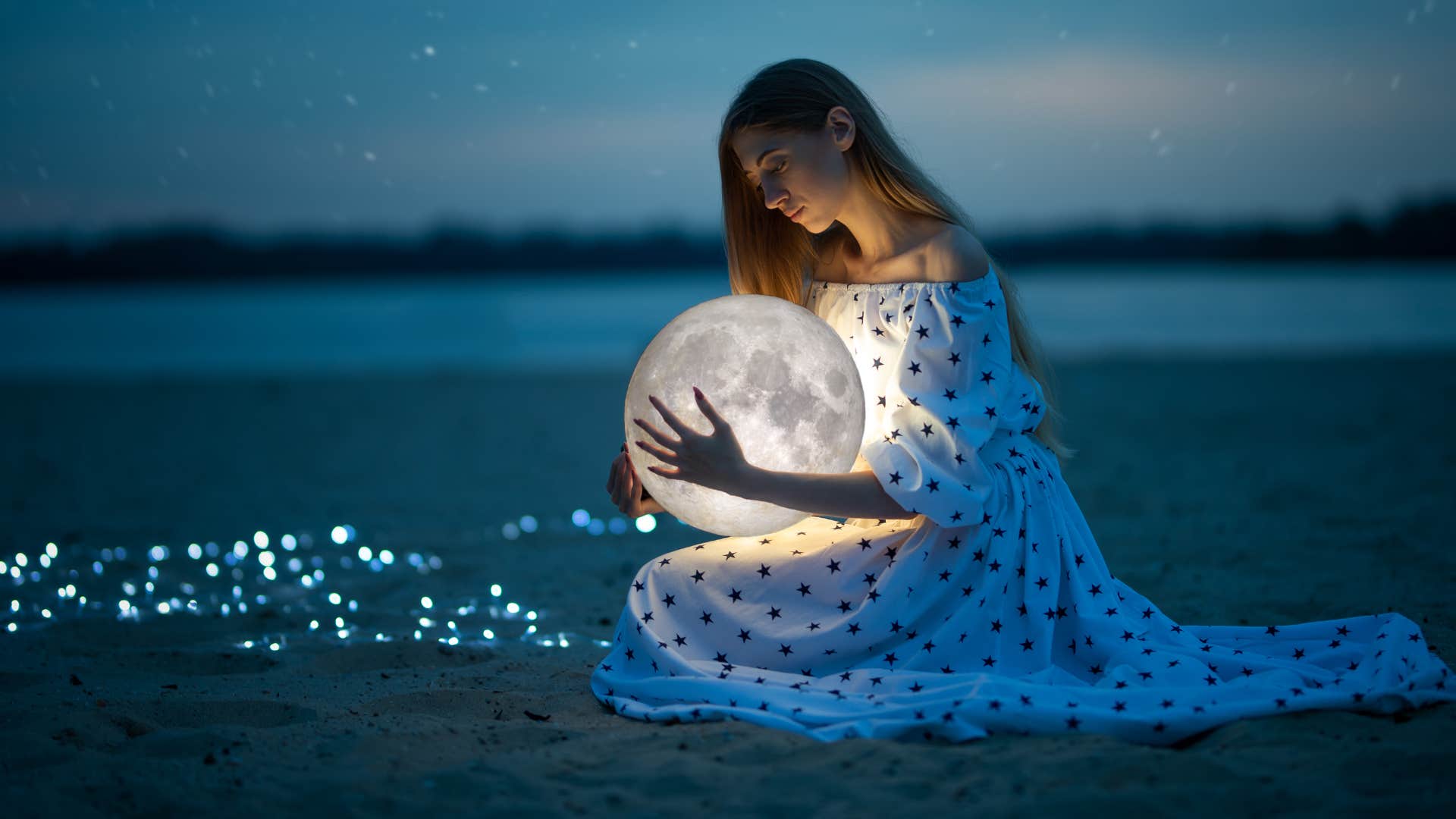
Whether wearing lucky socks on game day or believing in the Tooth Fairy or Mickey Mouse, a touch of magic can bring comfort. While some may mock the belief in magic, it's a shared experience in different forms. A passionate football fan who claims their team won thanks to their lucky shirt embodies this belief. Likewise, a parent who discreetly places money under their child's pillow while pretending to be the Tooth Fairy illustrates this magic.
You don't have to have an extensive crystal collection or monthly full moon ceremonies to let magic into your life. You get to define what magic means to you. Maybe it's the way your family passes traditions down through each generation. Perhaps it's in that feeling you get whenever you see someone you love walk across a crowded room to get to you. Every day, the sun rises and sets, and we can see a map of constellations in the night sky, and the light of those stars used to guide people home. There’s magic all around us. To find it, all we have to do is look.
Alexandra Blogier, MFA, is a staff writer who covers psychology, social issues, relationships, self-help topics, and human interest stories.