
People Born In The 70s & 80s Remember 7 Household Items That've Seemingly Vanished Nowadays
 melissamn | Shutterstock
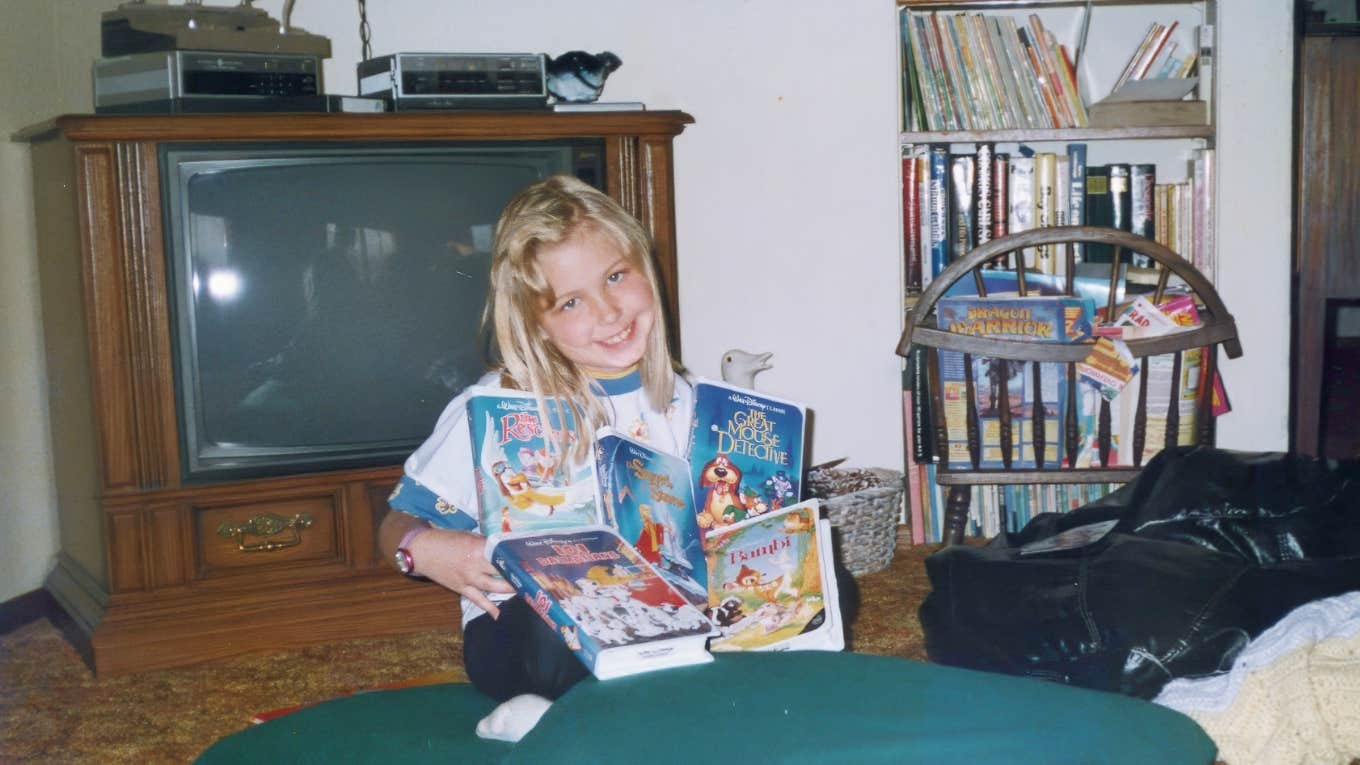
People born in the 70s and 80s may not have had cell phones, but they had things in their homes that made their lives easier. Sadly, many of those conveniences have all but disappeared.
During their heyday, these products were a must. People made sure they had the latest items, even if it came with a big price tag. Now, their childhood conveniences line the shelves of antique stores, which is hard to believe.
Common household items people born in the 1970s and 1980s had that younger generations wouldn’t even recognize:
1. VCRs
 Pressmaster | Shutterstock
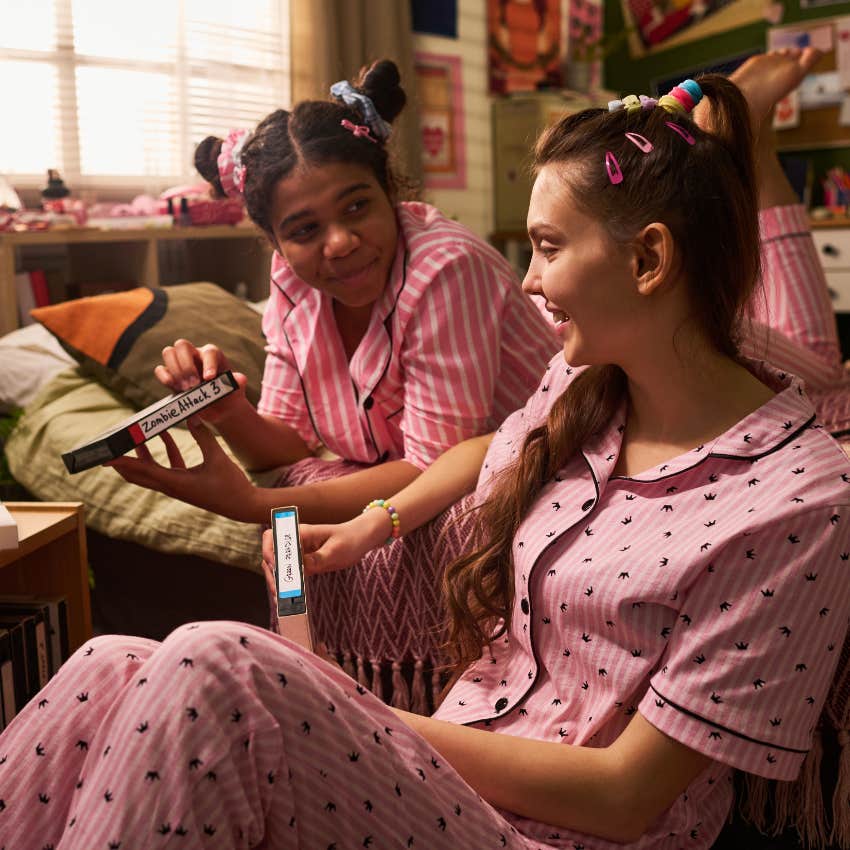
Long before streaming came the VCR. This was a revolutionary technology for its time. In the 70s, owning one signaled wealth. Come the 80s, they were common in most households.
VCR stands for video cassette recorder, and it revolutionized how people consumed media at home. People could record a live TV show to watch later or buy tapes from the store with the latest movies. Gone were the days of needing to watch a show or movie right as it came out. They could have it available at home with the snap of a finger.
Although I was born in the 90s, we had a VCR, and I loved it. Soon enough, DVD players wiped them out, and even those would lose popularity. With the advent of streaming, everything changed. Now, they are completely phased out.
2. Answering machines
Freestanding answering machines were a helpful invention. They became popular in the mid-70s, with most households owning one.
These did what our cellphone voicemails do now. If someone called and you couldn’t answer, they could leave a message. They were more important than voicemail because texting wasn’t an option. You couldn’t follow up a missed call with a text. You had to make sure they knew you called to eventually hear back.
Often, they were giant consoles with a cassette tape inside to record the message. They got smaller over time, and by the 90s, most house phones came with a smaller, built-in one. Good luck explaining these to a Gen Zer!
3. Encyclopedia sets
I’ve always dreamed of having a floor-to-ceiling library. Now that I think about it, this dream might have started when I saw my grandparents’ encyclopedia sets on display as a kid. These books looked expensive and made the homeowner seem like a true academic. The truth is, they probably bought them from a door-to-door salesman. Now, no one needs 32 books when they have access to the internet.
Encyclopedias used to be the only reference point people had at home. If they needed to look something up, they’d pull out a book instead of typing the question into Google. Maybe this is why older generations shake their fists at the generations glued to their phones. They had to work to find answers.
4. Giant TV consoles
 Karolis Kavolelis | Shutterstock
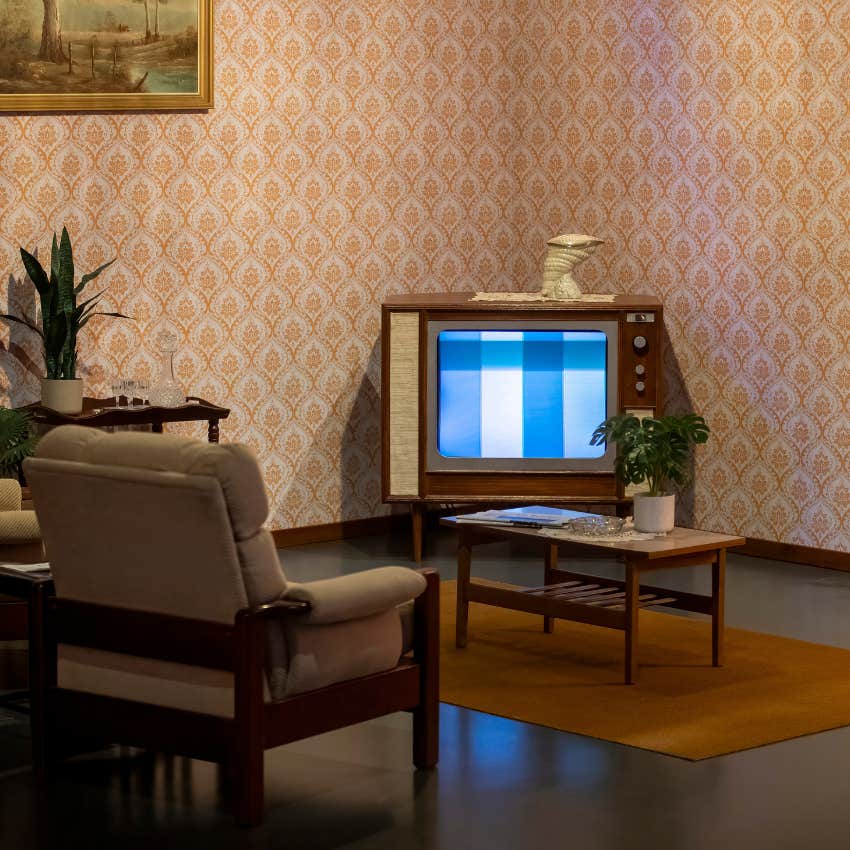
TVs used to be the focal point of a living room. They sat inside a giant, often wooden, console. This wasn’t your average flat screen on the wall. This was a piece of furniture. If you didn’t grow up in this era, you might still be familiar with it. Your grandparents may have held onto theirs until it was on its last legs.
As TV advanced, so did the console it sat in. Now, most of us have a giant flat-screen TV. The classic TV sets from the 70s and 80s are no longer popular. Sadly, they’ve become a relic of the past.
5. TV guide magazines
I am overwhelmed by streaming services. There are too many options. Before, TVs only had a handful of channels. Shows ran on a schedule. No one could binge-watch a whole season in one sitting.
People relied on printed TV guides delivered to their homes or picked up in a grocery store. It was the full schedule of shows for a month, so everyone knew what was airing and when.
I’m jealous of people who had these guides as adults. I remember them briefly from my childhood, but they had started to phase out as I got older. Things were simpler when there were only so many channels and TV shows.
6. Reusable milk bottles
Before supermarkets were on every corner, people relied on the milkman to deliver dairy products to their homes. We’ve all seen movies or TV shows with a milkman, so we know the classic glass milk bottles. People in the 70s and 80s grew up drinking from these bottles and leaving them out for the milkman to refill. Though this practice started to disappear by the 80s, people from this generation know life before plastic gallons well.
I recently went to an antique store and found glass milk bottles. They were a far more sustainable option than the disposable containers we use now. Though they have basically vanished, some brands are bringing back the glass bottle, which makes me happy to see.
7. Clotheslines
 RossHelen | Shutterstock
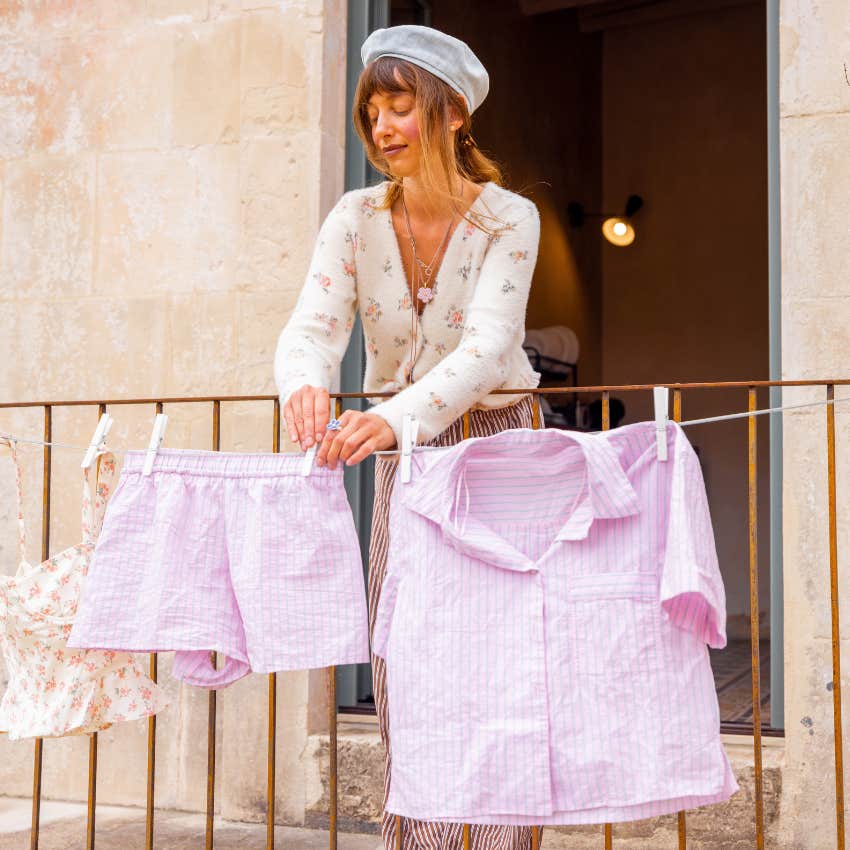
While dryers were becoming popular as early as the 60s, they were pricey. Not everyone could afford another major appliance. Some living spaces might not have been big enough for them either. Heck, I don’t have a washer or dryer in my apartment. Instead of relying on another piece of equipment, people would hang their clothes to dry on a clothesline. Instead of using electricity, the sun dried their clothes.
Clotheslines were far from convenient, but they were the only option many people had. Now, younger generations could never imagine life without a dryer. People from the 70s and 80s were built differently.
Haley Van Horn is a freelance writer with a master’s degree in Humanities living in Los Angeles. Her focus includes entertainment and lifestyle stories.
