
Gen Z Inherited A First-Of-Its-Kind Generational Curse That’s Starting To Affect Them Now
 T.Den_Team | Shutterstock
 It seems like almost everyone is on social media now, and parents are certainly no exception. Those parents are sharing their kids with the world, as well.
As parents watch their kids go through challenges and hit milestones, it can be tempting for them to share every detail online. Whether they're proud of their children's accomplishments, concerned about their development, or frustrated by their bad behavior, someone online will surely relate. Some people are starting to question if that's such a good idea, though.
A mom explained why she thinks Gen Zers will have to heal from the unique generational curse of being posted online.
Mom and content creator Randi Rossario cautioned other parents against being so quick to post their children online, especially in their unflattering and vulnerable moments, going so far as to say it was creating a new kind of generational curse.
"I think I figured out what these kids and this generation is gonna have to heal from," she began in her video. "I think this generation of curses that we put on our kids is getting online [and] telling people their business."
Rossario said that many parents record their children when they're upset or struggling. Their child could be having a full-on meltdown, yet their mom or dad records their tears to share with thousands of strangers online. And, since the internet is forever, the evidence will be, too.
“Everything [doesn’t] have to be recorded,” she stressed. “Keep it in the house sometimes.”
Instead of posting their child's bad moments online, Rossario encouraged parents to talk to their friends. “Vent so you don't go off on your child," she advised. "Have a conversation. But everything doesn’t have to be online.”
Posting children's private moments online through 'sharenting' can be damaging for the child, especially as they get older.
Sharenting can feel harmless when a child is young and has no idea they're being posted. But, at some point, kids will be on social media too, and they may come across a video of their younger selves in a vulnerable moment. Having to relive that time is bad enough on its own, but they'll also be subject to endless comments from strangers.
 www.kaboompics.com | Pexels
Some parents even trash-talk their kids online, calling them brats and complaining about their bad behavior. Did they consider how their kid will feel as a teenager, hearing those negative thoughts? What about when other people, like recruiters, friends, or bullies, inevitably find those videos?
Research has shown that kids already find sharenting to be "embarrassing" and "frustrating." It's safe to assume their opinion won't change as they age. This has become such a problem that some kids who are now old enough to understand their parents shared videos of them that they could not possibly have consented to are confronting them.
Aside from the negative emotional impact, sharenting also puts children's safety at risk.
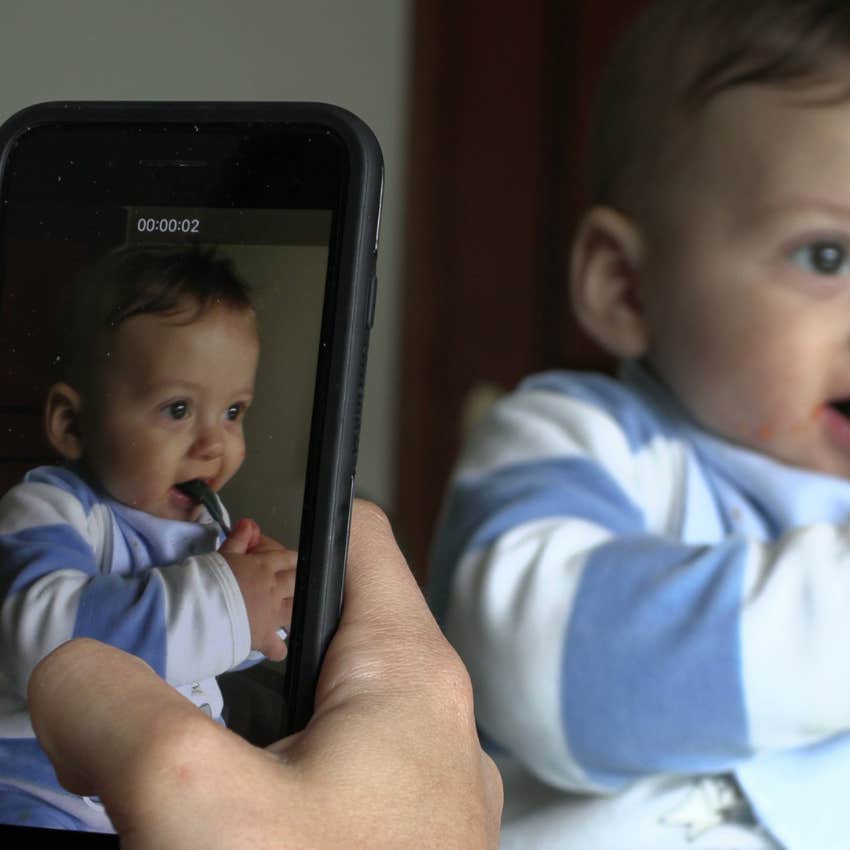
No one has control over what happens to their social media posts once they're made public. This means photos of children can be reposted on dangerous websites or even be used to steal their identity. Parents don't intend for this to happen, of course, but the impact is the same. So much can go wrong once these photos and videos hit the internet.
 Bricolage | Shutterstock
Leah Plunkett, a Harvard Law expert on children, family law, and technology, explained how easily bad actors can step in and commit fraud from a simple image. “Kids' Social Security numbers, when combined with date of birth, name, and address, are often good targets for identity theft,” she told NPR.
It's nice for parents to connect with their counterparts and get advice on raising kids or even compliments on how far their children have come. Parents have to decide to prioritize their children's well-being and safety, though.
Even if someone has already posted their children online, it's not too late to make some changes. "Go back over your social media posts and take down what you're not so sure about," Plunkett advised. "Then make your settings private."
It's time for parents to do what they can to stop this generational curse now before it's too late.
Sahlah Syeda is a writer who covers psychology, research, news, and human interest topics.
