
People Who Live Well Into Their 80s & Beyond Usually Do These 3 Things In Their Spare Time, According To Science
 Moe Magners | Pexels
 Who doesn't want to live a longer, happier, and healthier life? That doesn't necessarily mean we make the right choices when it comes to lifestyle to ensure that happens, however. Research has found that it can be a whole lot easier than that. You can actually use your spare time for pleasurable activities that will actually improve your longevity!
Whatever your age, you have a vested interest in the quality of your life. As a member of the Medicare generation, it's of vital importance to me. Amazingly, I am enjoying life today more than ever, and that joy motivates me to keep going for as long as possible.
By the way, I am not alone in my late-in-life happiness: Large-scale research studies reveal that older adults experience happier lives as they age, even if they have a few physical ailments. What a surprising and wonderful finding, and there are easy ways for everyone to experience this same happiness.
1. Read more books
 Anna Shvets | Pexels
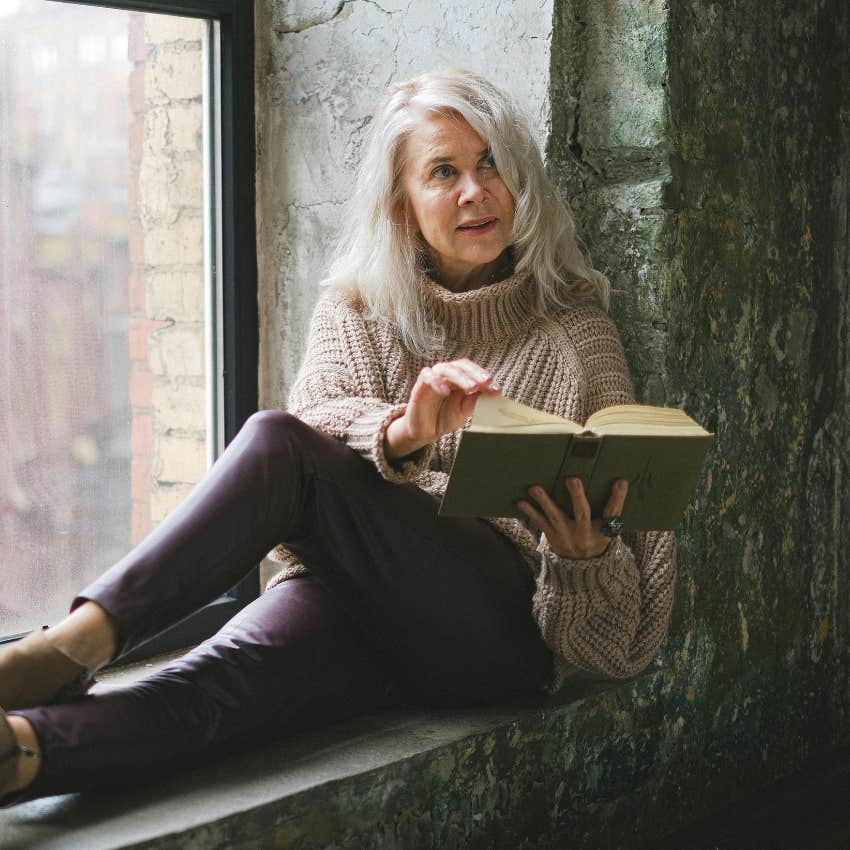
A 2016 study found that 30 minutes of reading per day was associated with a two-year increase in lifespan for those 50 or older. What validation for those of us who love to read anyway!
Researchers monitored the reading habits of 3,635 people aged 50 or older and followed their survival over a 12-year period. What they found was that reading books was truly the key. Other reading materials just didn't cut it.
The longevity bonus was higher for book readers than for magazine and newspaper readers, which, in turn, was higher than for non-readers. Book readers who read up to the standard of 30 minutes a day (or 3.5 hours a week) were 17% less likely to die over the 12-year follow-up. That’s a big bump in life expectancy.
Exactly why book-reading can contribute to a longer life is unclear, even to the study’s authors. Obviously, reading would have cognitive benefits. Because book reading keeps you sharper, maybe such readers would take fewer risks that could lead to mortal accidents. Maybe readers are more introverted, making them less likely to cave into social pressures to drink, smoke, or engage in other risky activities. Another possibility: You have to settle down and concentrate in order to read, so could it have some of the calming effects of meditation?
Caution: If you spend too much time on your duff with a book, you will be at higher risk for diabetes, low mood, and weight gain. Remember the cry, “Sitting is the new smoking?” I never quite believed it, but a wealth of research warns us about the hazards of sitting. So, if you decide to read more, get up every hour and move around for 5-10 minutes. Your body and mind will thank you.
Recommendation: Read more and move more. If you are like me and can’t sit still for more than 50 minutes anyway, you are probably well protected against “sitting diseases.”
2. Help others… but not too much
 Inna Reznik | Shutterstock
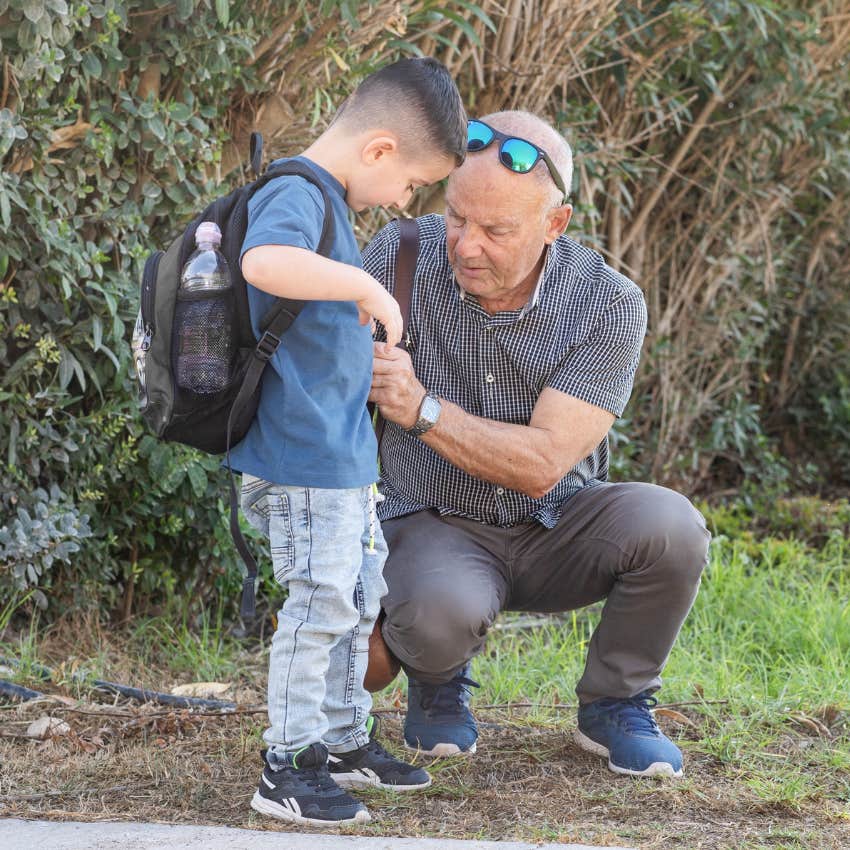
Giving the right dose of emotional support to others will extend your lifespan. In a study of 500 people over age 70, those who helped out their families and friends by giving occasional support, whether to their children, grandchildren, or even other people’s children, reaped the benefit of a longer life.
Cautions: The adage, “Moderation in all things,” seemed to apply to this particular helping situation. Too much caregiving can be stressful. For example, in the study cited above, custodial grandparents experienced more stress than those who simply provided occasional physical and emotional support. And high caregiver stress is associated with negative health outcomes. But with too little caregiving, you may be at risk of sinking into isolation or self-absorption.
Recommendation: Know your “Goldilocks point” for helping out — not too much, not too little, but just right. If you sense that you are getting overloaded, cut back on your caregiving.
3. Connect through social media... but not too much
 SHVETS production | Pexels
It has long been known that social networks are a strong predictor of longevity. Good relationships buffer us from stress, lowering our risk of illness and early death. But this year, researchers from the University of California at San Diego studied 12 million Facebook users (not a misprint) and discovered that even online relationships are associated with a lower risk of death for those born between 1945 and 1989. Facebook users were about 12% less likely to die than those who were not on Facebook. Of Facebook users, those who lived the longest had these traits:
- They interacted with others offline, not just on Facebook.
- Individuals with average or large Facebook networks lived longer than those with smaller ones.
- Those who accepted the most friendship requests lived longer.
By the way, some activities on Facebook were not correlated with a longer life, including the number of “likes” your posts received.
Cautions: As people age, some friendships will be lost through geographical distance, death, and divorce. It’s comforting to know that online contact with friends could mitigate these harsh realities to some extent, as long as face-to-face friendships can also be cultivated. (Note: There are issues with privacy and the use of your data on any social media site, including Facebook. It should also be noted that Facebook collaborated with this study.)
Meg Selig is a counselor, writer, blogger, and author of "Silver Sparks: Thoughts on Growing Older, Wiser, and Happier" and "Changepower! 37 Secrets to Habit Change Success." She's a frequent contributor to Psychology today, where she writes about health, happiness, mindful living, and confidence.
