
Doctors Warn People Against This Common Shower Habit That Can Eventually Create Serious Problems
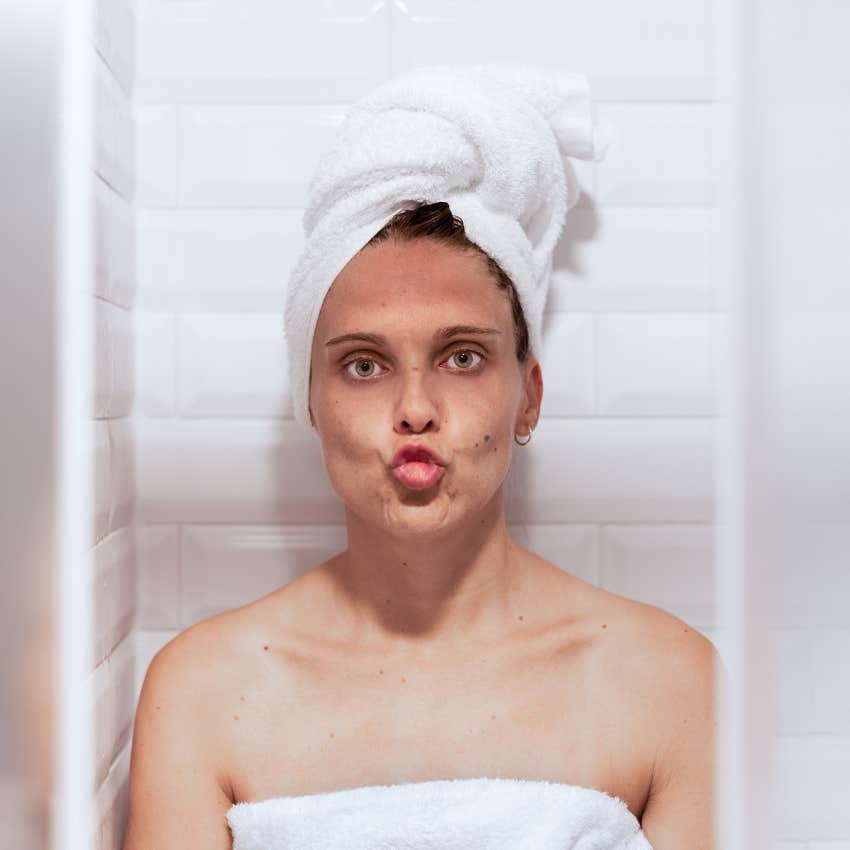
 mahdi chaghari from Pexels | Canva
 Sometimes, while you’re in the shower, nature calls. But doctors warn against this common shower habit, explaining the serious problems it can eventually create.
Not wanting to interfere with your self-cleansing routine to make it to the toilet, it is easy enough just to relieve yourself while you already have the water running in the shower. After all, it goes down the drain anyway, and it saves water you would otherwise use to flush the toilet.
However, we may not realize the surprising impacts that peeing in the shower has on our bodies, and one doctor is pleading with us to break the convenient yet problematic habit.
Dr. Teresa Irwin warned against peeing in the shower.
The urogynecologist took to TikTok to share with viewers how peeing in the shower can pose a serious problem over time. Dr. Irwin compares the habit to the Pavlov dog experiment, a Russian psychologist who used his dogs to test behavioral theories and conditioning.
In the experiment, Pavlov would ring a bell whenever he gave the dogs food. After a while, he started to ring the bell to summon his dogs without giving them food. Pavlov noticed that the dogs reacted the same way every time they heard the bell, and would approach him while salivating at the mouth, anticipating a meal. They had been conditioned to give the same response to the sound of the bell ringing and associated it with getting food.
Dr. Irwin shares that a similar phenomenon happens to our brains when we regularly pee in the shower. While she states that peeing while standing up will correctly empty your bladder (which is easy for especially women to do in the shower as opposed to the toilet), you should not get into the habit of peeing in the shower instead of using the toilet because the more you pee in the shower, the more likely it is that your bladder will begin associating the urge to urinate with the sound of running water.
“So whenever you’re washing your hands, taking a shower, washing the dishes, if there’s running water, your bladder is gonna be ‘salivating’ because it wants to go and pee,” Dr. Irwin explains. “So you need to stop peeing in the shower.”
Peeing in the shower trains your brain to empty your bladder every time you hear running water.
“If you pee in the shower or turn on the faucet or turn on the shower and then sit on the toilet to pee while the water is running, you’re creating an association in your brain between the sound of running water and having to pee,” she says. Down the line, the issue can lead to pelvic floor weakness and bladder leakage.
Dr. Jeffrey-Thomas also claims that those with female anatomy are not biologically designed to pee standing up since their pelvic floor cannot relax when doing so, and it was bad to put it to the test and potentially strain it. She suggests trying to pee before you even enter the shower, and if you have the urge to go while you’re in there, try to ignore it.
 Ivan Moreno sl | Canva
"Your bladder relies on signals it gets both from the stretch of the bladder walls as it fills, as well as signals from the brain which let it know when to contract to urinate," she explained to Buzzfeed. “This can often transition into being triggered by other sounds of running water (like when you're running the faucet to wash your hands or the dishes) or when you're in bodies of water."
"For some, this may just be an annoyance," Dr. Jeffrey-Thomas said, "for people with any kind of pelvic floor dysfunction, this could contribute to urge incontinence (or leaking urine when you have the urge to use the restroom).”
Peeing in the shower can also lead to pelvic floor weakness and bladder incontinence.
Over time, pelvic floor muscles can start to weaken, making it more difficult to hold your urine long enough before you can find a restroom. Coupled with the need to relieve yourself from the sound of running water, this can be a recipe for public embarrassment and discomfort. To avoid wetting your pants before you even have time to register, you need to use the restroom. Dr. Jeffrey-Thomas suggests a few methods that can improve your pelvic floor function and bladder control.
 Ilona Kozhevnikova | Shutter
If you ever find yourself having the urge to urinate at the sound of running water, she encourages people, specifically women, to make a significant change to their shower routine. "Deep squatting all the way to the ground in the shower avoids this and allows the pelvic floor to relax,” Dr. Jeffrey-Thomas says. “Then you're still doing the water/peeing association."
Peeing in the shower may seem like such a mundane habit, one that 70% of people are guilty of doing, that we surely would not believe that something that only takes our bodies a few seconds could have such detrimental lasting effects on our pelvic muscles. Luckily, if you are experiencing the constant urge to urinate at the sound of running water and have trouble controlling your bladder, there are options you can take to improve both.
Pelvic floor therapy strengthens the muscles that support the bladder, urethra, and other pelvic organs. Licensed pelvic floor therapists work with patients to develop personalized plans and exercises that will best help them achieve their goals. Exercises may include Kegels, electrical stimulation of the pelvic muscles, and biofeedback.
So the next time you’re in the shower and have the urge to just relieve yourself on the floor, take the extra step and effort to get out and make it to a toilet. Your brain, pelvic muscles, and underwear will thank you for it later!
Megan Quinn is a writer with a bachelor's degree in English and a minor in Creative Writing. She covers news and lifestyle topics that focus on justice in the workplace, personal relationships, parenting debates, and the human experience.
