
I’m A Doctor, And Dementia Villages Show What Healthcare Could Look Like If We Got It Right
 halfpoint | Canva
 My oldest friend’s grandmother has dementia. And whenever I go to his place and run into her, she’s unable to recollect who I am because dementia renders her unable to register and remember new events and people. And she’s even beginning to forget the older ones.
In my opinion, dementia is one of the most devastating diseases. Here’s why:
- Other diseases might kill you.
- Dementia erases parts of your life, making it such that you didn’t even live those years.
In essence, memory equals life. The initial years of your life, which you don’t have any memory of, can you really say you lived them? I’d say not. Your parents lived those years. But you didn’t — because you don’t have any recollection of those years.
They say that you should build as many memories as you can. It’s because more memories mean you have lived more. And it’s also why deleting pictures that are drenched in nostalgia feels like deleting a part of your life.
Think about how painful and difficult it is to delete memorable pictures from your phone. And now think about how frustrating it must be when your brain does it without your say-so.
Dementia often starts with memory loss. However, slowly it progresses to a stage where one is not able to take basic care of themselves. They can’t use the washroom. They can’t change their clothes. And hence, they eventually need full-time care. But it's not all doom and gloom.
I'm a doctor, and dementia villages show what healthcare could look like if we got it right.
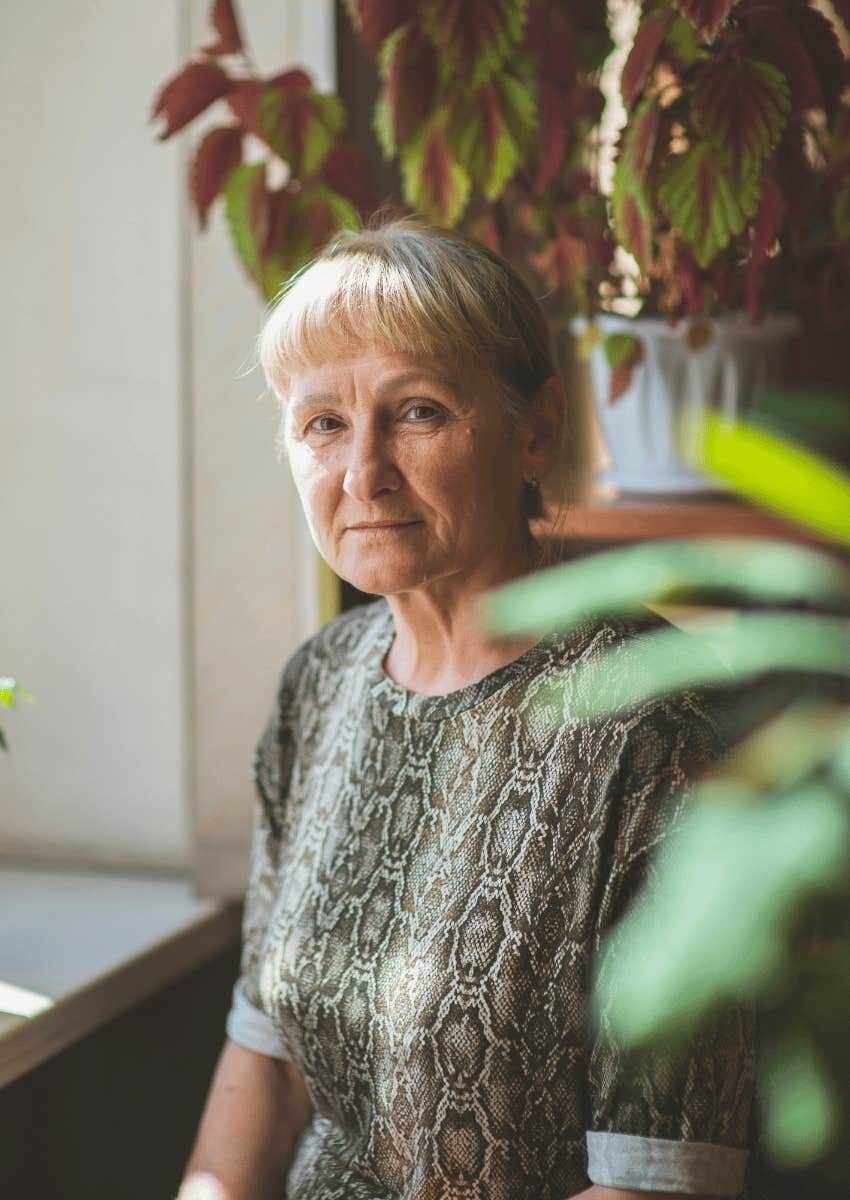 Andrey K / Unsplash
Right now, the state of healthcare is not ideal. It’s either that dementia patients get a full-time helper in their homes or they’re admitted into a dementia care facility. Here, some of them slowly lose their identity:
- They have to stay with other dementia patients under the same roof.
- Listen to the same music as everyone else.
- Eat the same food as everyone else.
- No freedom to go outside.
In essence, it’s like they’re not themselves anymore. They’re just patients who are being taken care of while the world waits for them to die.
An inspired solution — one that takes a giant leap from the current state of solutions — is the concept of a “Dementia Village” like The Hogeweyk in the Netherlands.
A dementia village is simply a neighborhood where people with dementia live.
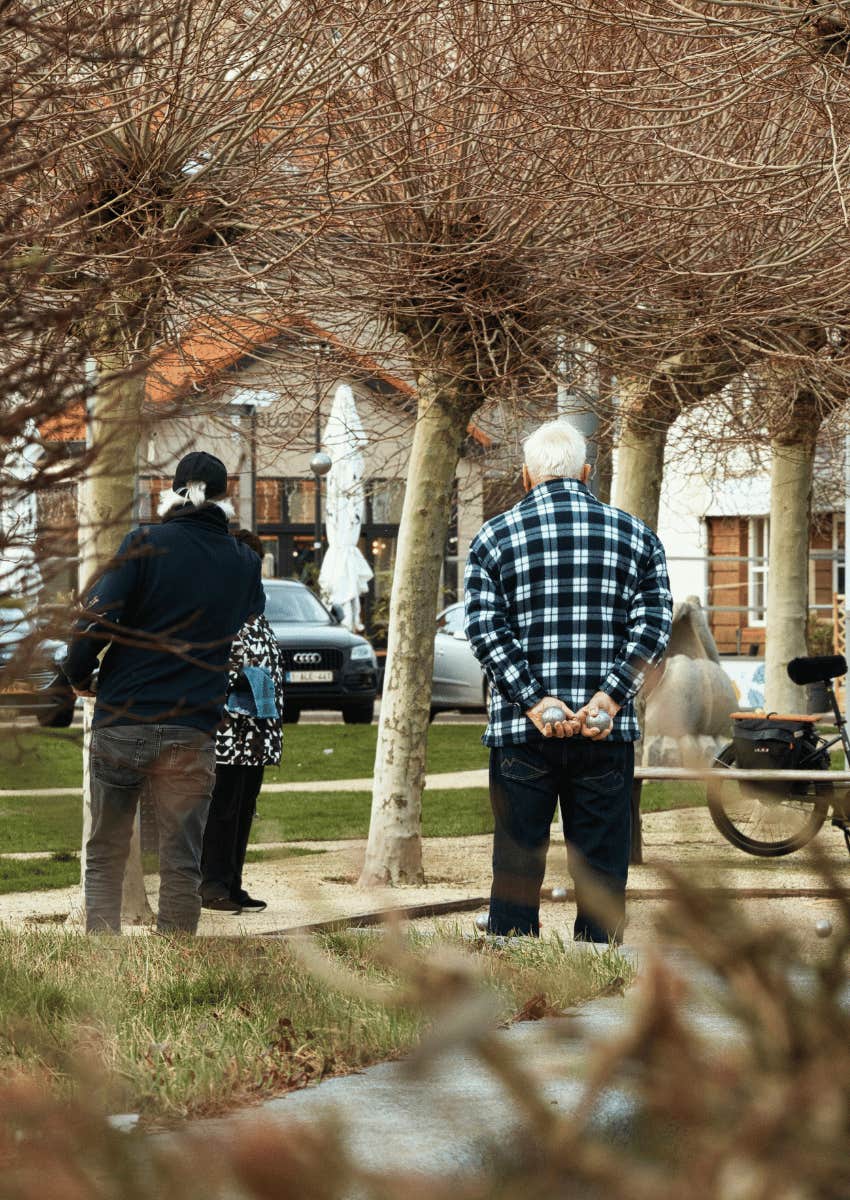 Tim Büning / Unsplash
It’s just like any other normal neighborhood with theatres, cafes, barbershops, etc. But here’s the wonderful part about this neighborhood:
- All the residents are dementia patients.
- And all the workers (barbers, waiters, etc.) are also trained in dementia care.
Dementia Villages work on a set of guiding principles:
- Normalcy: Instead of stuffing all people under the same roof like in a dementia facility, people are separated into groups of 6 or 7 and given accommodations like normal houses.
- Autonomy: Dementia patients have full autonomy. They can stay in their room. Or go to the nearby garden. And even go across the neighborhood to the cafe and eat what they want to. It’s all up to them.
- Science-based care: The whole neighborhood is equipped with brightly colored doors, handrails, and walkers to make it easier for them to navigate their way around. Bright dishware is used because it’s shown to help people with Alzheimer’s eat more food. Acoustic ceiling tiles, carpeted floors, and soft furniture help absorb noises that may trigger disorientation.
- Promotion of social mingling: Cafes, theatres, and barbershops are purposefully placed in different buildings to promote social mingling across the neighborhood.
In essence, these villages aim to move from a life of solitude to a life of normalcy where care is taken. It aims to make them feel not like patients, but normal people.
Of course, not every country in the world can afford dementia villages just yet. It costs around $70,000 to $90,000 per patient annually. However, it’s a start. And it’s quite essential as well.
As life expectancy continues to rise around the world, the proportion of older people in the world will also rise. And this means the incidence and prevalence of dementia are also going to increase. To care for those populations, we will need more and more inspired solutions like dementia villages.
All of us can get quite pessimistic and lose hope when we hear negative news around the world. So when someone says that the world is screwed, it’s natural to be inclined to agree.
However, change happens slowly. The world is not going to be fixed overnight. But we are surely moving towards a better future.
Dementia Villages show us what better elder care could look like.
Instead of complaining about how messed up the world is, I feel we need to be patient and hopeful that the future is going to be brighter. And not just that, I think each of us needs to be agents who work toward building a better future for humanity.
We just have to find our way of doing our share of the work. I’m trying to do so by spreading optimism and inspiration as a writer and treating patients as a doctor. What about you?
Akshad Singi, M.D., has been published in Better Humans, Mind Cafe, and more.
