
Gen Z, Millennials, Gen X & Boomers Have Very Different Opinions On Lending Money To Friends & Family
 Prostock-studio | Shutterstock
Most people have borrowed and lent money to someone they love, but sometimes it's just not a good idea.
The outcomes of financial support aren't as great as the initial act of generosity. And despite that sweeping conclusion, there are still very different opinions about lending money to friends and family that depend on whether a person is Gen Z, millennial, Gen X, or boomer.
What every generation thinks about lending money to loved ones
Boomers tend to be the most charitable generation, giving more to causes and loved ones
According to a study from the Blackbaud Institute for Philanthropic Impact, conducted by Edge Research, boomers tend to be the most charitable generation. They give more to causes and organizations than other age groups.
They may not give as often, but by amount, they spend a lot more.
 JackF from Getty Images via Canva Pro
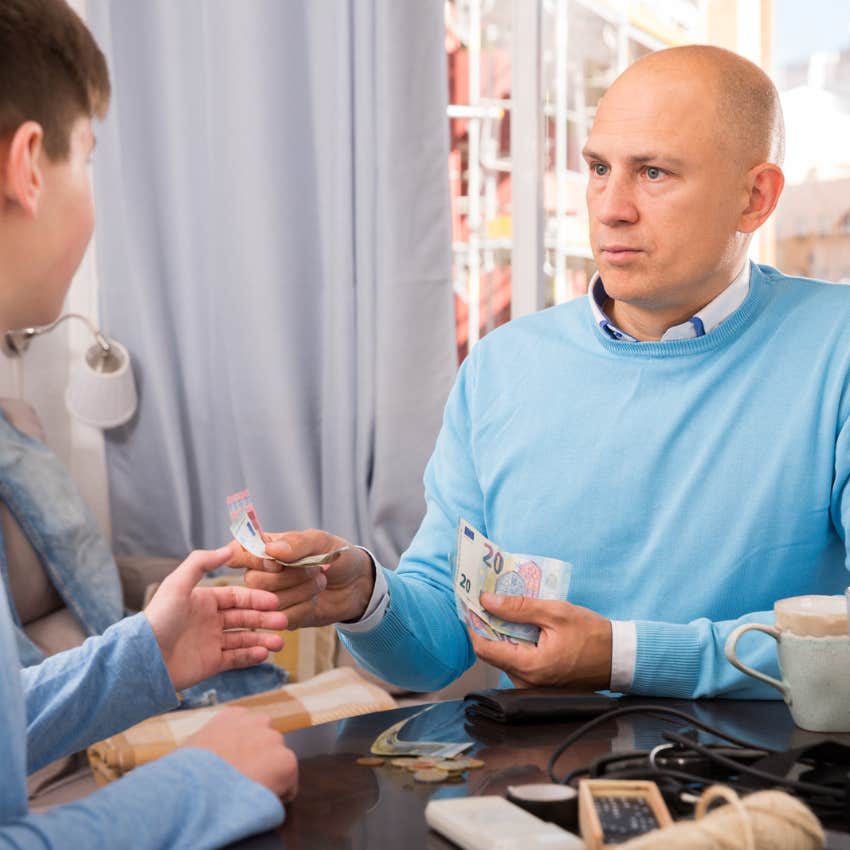
When it comes to family and friends, boomers are also quick to lend money, especially as they get older and because they usually have more disposable income to spare.
Even for those who don't, overextending to help their families is a huge part of how they live, considering how strong their family values are in their lives.
Gen Xers give without expectation, and many are already supporting their adult children
Gen Xers tend to be the most independent generation, raised as latchkey kids without a lot of support and guidance. So, in adulthood, they're helping to support a big number of their younger adult children.
They might just be lending money here or there, but many are also putting their own financial stability in jeopardy trying to support their kids.
 JackF from Getty Images via Canva Pro
They're very generous to some extent, but they're also cautious. They're not going to chase after little Venmo requests from their friends or put an expectation on loaned money. If they give it, they're gifting it, because the energy it takes to track someone down isn't something they're interested in.
That's not to say there aren't Gen Xers who are both generous and diligent about getting back the money they've lent. Today, where many people don't have disposable income to help everyone in their lives, they may not have a choice, regardless of what they'd believe if they had all the money in the world.
Millennials consider lending money based on personal causes and values
Millennials are in a better place financially than many older generations were at the same age, according to a LendingTree study. So, yes, they do have more student loan debt and a lot on their plates to save for, but that doesn't mean they're not generous.
 pixelshot via Canva Pro
They're cause-driven. If someone's needs or a friend's fundraising efforts are aligned with their personal values, they're more likely to lend money.
With access to the internet and social media, they're also in a better position to lend in small amounts. Instead of giving big donations, they're more likely to support friends and communities in smaller ways, like Gen Zers do.
Gen Zers are micro-givers, using social media and payment apps to support their communities
Because many Gen Zers are grieving the loss of third spaces and feeling disconnected, sometimes their volunteering habits and online generosity are how they supplement that connection.
They're quick to use an influencer's GoFundMe link or send a struggling friend money after seeing their post on social media, even if it seems irresponsible to older generations.
 charliepix via Canva Pro
They may not always have the financial stability or resources to help with big lump sums of money like Gen Xers and boomers, but they're still micro-givers who are generous with the money they have.
Their generosity is driven by real-life needs and shaped by their personal relationships, according to a GoFundMe report. It's not just about money, either. They use their platforms to support the causes and people they want to help.
Zayda Slabbekoorn is a senior editorial strategist with a bachelor's degree in social relations & policy and gender studies who focuses on psychology, relationships, self-help, and human interest stories.
