
People Born In The 50s, 60s, 70s & 80s Have Very Different Ideas Of What Makes Life Beautiful
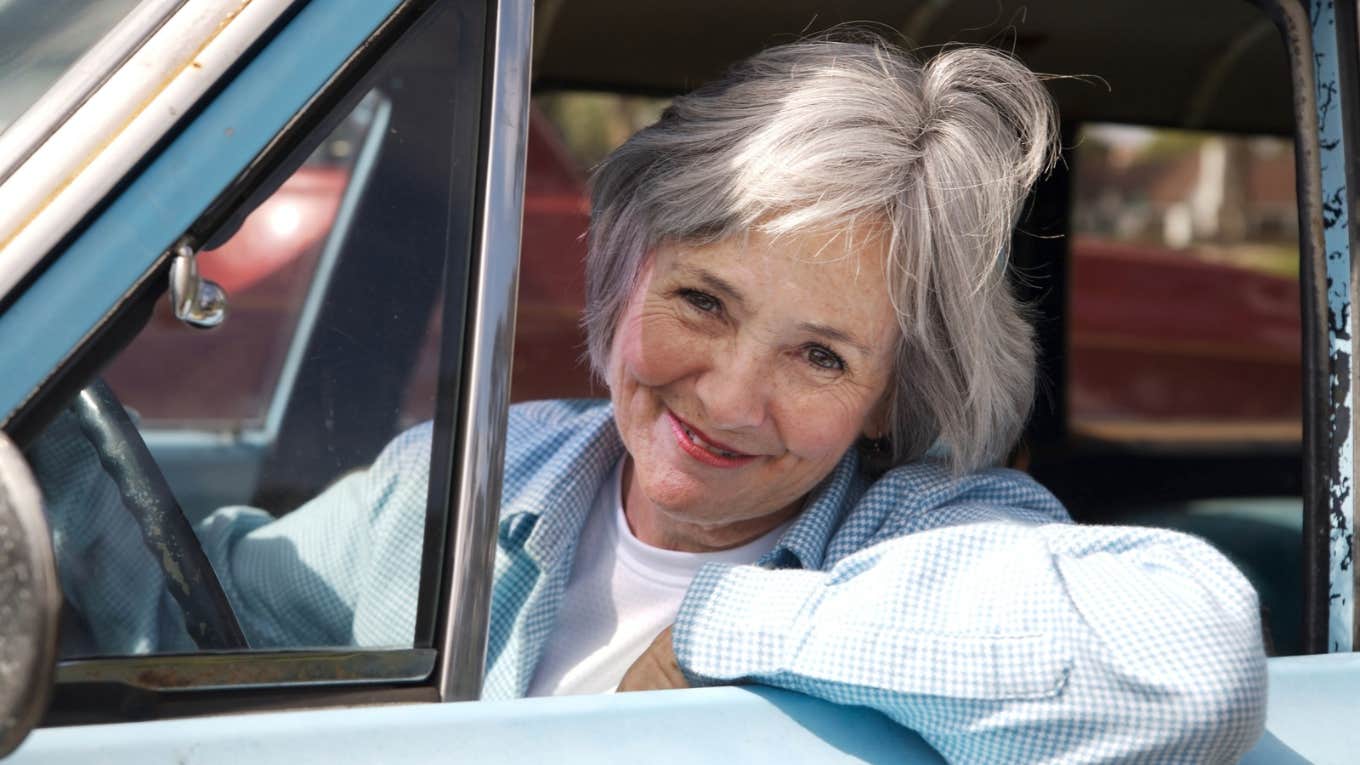 jwblinn | Shutterstock
What makes life beautiful can be interpreted differently based on the decade you were born. Psychologists believe that happiness and meaning are important for living a good life, but even those things can look very different to different people.
Everyone thinks about what a beautiful life looks like through the lens of the time they grew up in more than they realize. That’s when they cultivated the values and goals that shaped the person they wanted to become.
A beautiful life looks different for people born in the 1950s through the 1980s.
Since the 50s, 60s, 70s, and 80s were such different decades, the people born then have unique ideas of what it means to have a beautiful life. What seemed picture-perfect in one decade didn’t always stand the test of time.
People born in the 50s thought a simple but happy existence with their family made life beautiful.
The 1950s marked a period of prosperity after the turmoil of World War II. People were eager to start the lives that they felt like they had to put on hold for years. It was a time when they craved simplicity and stability instead of big changes.
 Monkey Business Images via Canva
This environment led people born in the 50s to pursue pretty traditional lives. They found joy in a happy home filled with the people they loved. As long as they were able to spend time with their families and provide for them, they were happy.
For people who grew up during this decade, a beautiful life was a secure one with a tight-knit family. They were lucky enough to have an economy that made this dream a reality for many. There wasn’t much to worry about, and they liked it that way.
People born in the 60s felt like freedom was the key to a beautiful life.
Unlike the peaceful 1950s, the 1960s were a decade of major cultural changes. It seemed like people got tired of conforming to the tradition of the 50s and wanted something new. They found it in political activism and hippie counterculture.
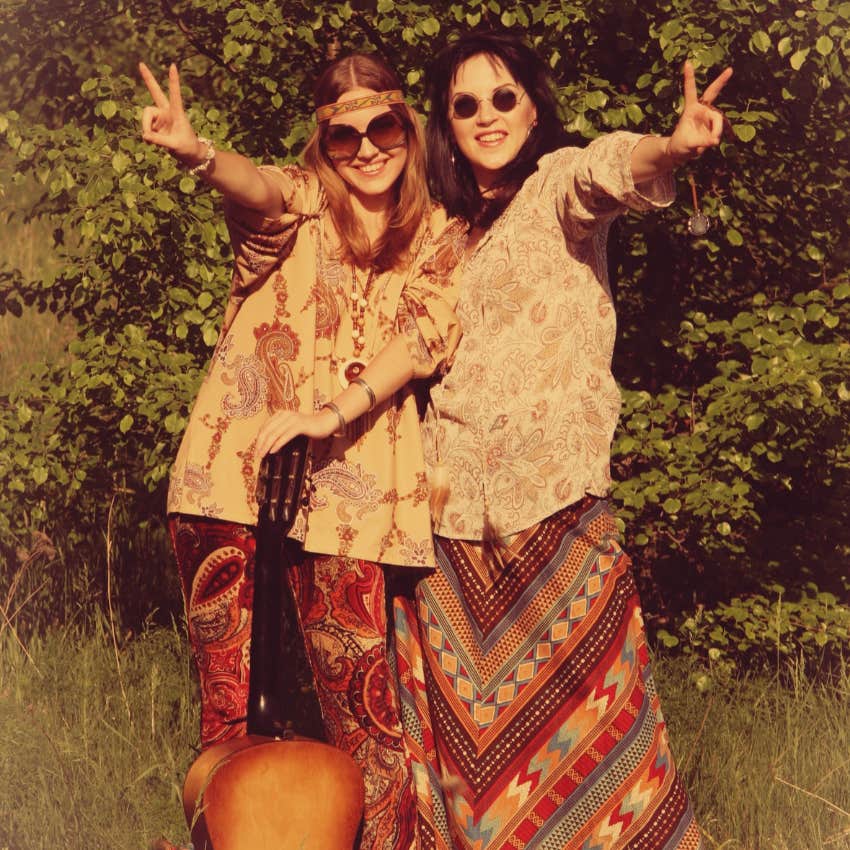 RetroAtelier from Getty Images Signature via Canva
People who were born in the 60s didn’t automatically become part of an equal society. To address the problems they saw, many people rejected traditional values and made freely expressing themselves their priority instead, even if it wasn’t popular with everyone.
Their version of a beautiful life was one that allowed them to make their own choices instead of doing what others expected them to. They wanted to try new things and discover who they really were instead of blindly following the crowd.
People born in the 70s believed a beautiful life was one they could enjoy on their own terms.
In a lot of ways, the 1970s seemed like a combination of the previous two decades. People continued to fight for equal rights like they had in the 60s, but economic and political crises also made everyone miss the stability of the 50s.
 Valerii Honcharuk via Canva
Kids raised during this time learned to value independence early, too. Many of them were latchkey kids who had to take care of themselves after school while their parents were at work. Becoming so self-sufficient affected what a beautiful life meant to them.
70s kids’ idea of a beautiful life could be described as a healthy balance. They wanted to be financially secure enough to enjoy life, but they knew that couldn’t happen without hard work. They just didn’t want their careers to dominate their lives, so there was still something left to enjoy.
People born in the 80s turned to individualism to build beautiful lives.
Life started to look very different in the 1980s. Regular people had the chance to own computers for the first time. Pop culture also became a bigger part of everyday life thanks to the way MTV influenced everything from music to fashion.
 Marcio Binow Da Silva from Getty Images via Canva
This gave people born in the 80s a glimpse into different lifestyles that looked nothing like the traditional expectations they were used to. They wanted to express themselves as individuals instead of fitting into some preconceived mold.
For them, a beautiful life was one that brought them peace. They didn’t want their responsibilities to get in the way of truly experiencing the world. Even if they didn’t seem successful to everyone else, they were satisfied with personal growth that they could measure.
Mary-Faith Martinez is a writer with a bachelor’s degree in English and Journalism who covers news, psychology, lifestyle, and human interest topics.
