
People Who Still Read Physical Books Have 7 Habits Screens Replaced For Everyone Else
 Tonuka Stock | Shutterstock
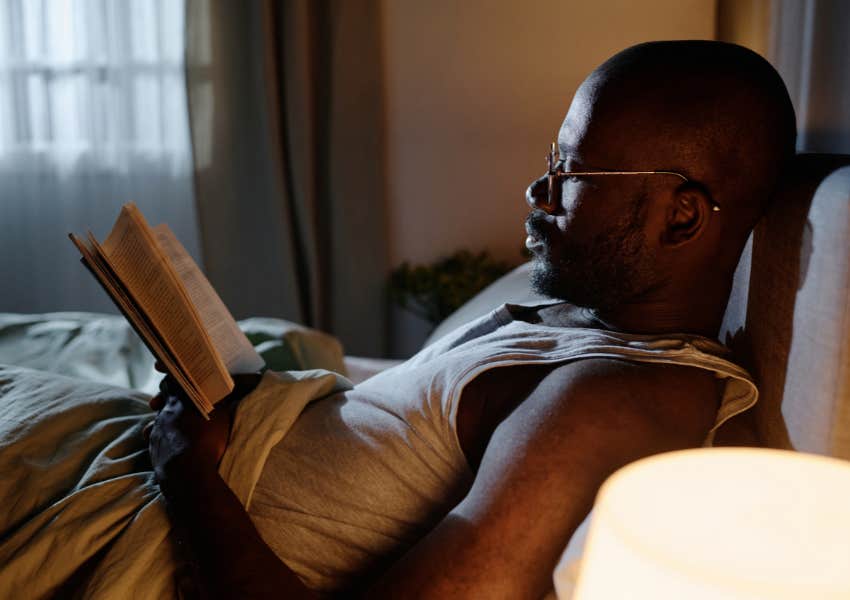
While many people today rely on social media for entertainment, some adults and kids alike still spend hours reading actual books.
A 2018 study published in Educational Research Review found that people understood what they read better on paper than on digital formats. For book lovers, picking up a physical book remains a favorite way to spend their time, and sticking to that hobby means holding onto a few habits that others have left behind as screens take up more of their attention.
7 habits of people who still read physical books that screens replaced for most everyone else:
1. They enjoy entertainment without constant notifications
People who are always engaged in a good book or two quickly learn that they don't need a screen in front of their face to be entertained. They can simply pick up a novel and spend days entertained without constant phone notifications or the urge to check their phone every five minutes. A phone user, however, might struggle to relax. They'll pick up their phone at the slightest hint of boredom.
Simply Psychology notes that people check their phones about 96 times a day, or roughly every 10 minutes while they're awake. Each notification can trigger a little burst of anticipation as we learn to associate it with something potentially rewarding, like a message or a new like. Physical books don't have notifications, text messages, or phone calls. Reading physical books is a healthy way to entertain yourself. Plus, reading can be just as rewarding as phone usage, if not more so.
2. They focus on one thing at a time
 Halfpoint | Shutterstock
If someone uses their phone or digital devices day in and day out, especially if they are always scrolling through different social media apps, they can develop poor concentration. Verywell Mind discusses research linking smartphone use with differences in reading comprehension, working memory, and reliance on quick answers.
With physical reading, avid book lovers remain engaged with ongoing storylines instead of switching from short videos and brief social media posts. When someone's engaged in a story, they keep reading to find out more. They don't put a book down because the beginning is going too slowly.
3. They slow down on purpose
The things people do when they're bored can tell a lot about who they are. Someone who endlessly scrolls through Instagram Reels might seek stimulation, while someone who loves reading books doesn't necessarily need constant, eventful stuff going on. Books aren't full of endless action, after all. Every good book must first establish its characters, settings, and world. Not every book throws every piece of information at its readers all at once. Book reading allows people to slow down and really think about what they're consuming.
In a Psychology Today article, Lawrence R. Samuel discusses Victor Nell's work on reading for pleasure and the psychological benefits of getting lost in a book. He explains that reading isn't just a joyful experience but a universal one, and suggests that getting lost in a book benefits your brain and your body.
4. They use their imagination
 AnnaStills | Shutterstock
Phone use and screens keep people tuned from one visual to the next. Even when people go outside, billboards, fast-food signs, and magazines are on full display to catch their attention. In this digital age, there are constant things to look at and listen to.
But for people who read physical books, imagination is best put to good use. Not every book has illustrations. Authors rely on descriptions or imagery to paint a picture of what's happening at a given time. Readers take in the words on a page and create a mental image.
5. They take their time with a good story
Just as reading a book requires long-term focus, it also takes up time. But unlike social media users who might spend much of their time online, book lovers can easily invest in a good story. Research published in the Journal of Personality and Social Psychology explored how getting lost in a story brings together a reader's attention, imagination, and emotions. In other words, readers aren't just following the plot; they're pulled into the story's world.
A chronic screen user might get impatient watching a video longer than ten minutes, while a book lover indulges in a three-hundred-plus-page story if the plot is engaging enough. A good story might see the main character or characters changing and developing across multiple chapters. To a book lover, this character development is worth the time it took to read the story. But to a screen user, this story was a waste of time.
6. They think deeply about the things they read
Reading requires a ton of thought. A book character might make a difficult choice at the midpoint of the story, and the reader questions why they made it. They ask whether the choice was right and how it might affect other characters and later events. Regular reading doesn't make them the most critical thinkers, but it does allow them to make predictions and think thoughtfully about what they've read.
People who always use screens might not develop the high-level thinking skills book readers do. Fast-paced videos might elicit quick reactions like laughter or shock, but screen users rarely stop to really think about what they just watched.
7. They revisit old favorites instead of always looking for something new
 Pawel Michalowski | Shutterstock
You ever read a book that you couldn't put down, even after you had long finished it? This might be the same for people who always read physical books. They might sooner reread a book they've already read a hundred times before rather than pick up something new right away. This can be a comforting habit that helps readers catch things they might've missed the first time around.
A study published in the Journal of Consumer Research found that returning to favorites, like re-reading books, can help people re-experience feelings they enjoy and appreciate them in new ways. Knowing how a story ends doesn't mean you've gotten everything out of it. Meanwhile, chronic screen users can get caught in apps that keep feeding them something new content. The videos they consume can be so brief that they move on without giving them much thought. Simply put, there's always something else to watch.
Allison Peterson is a writer with a degree in English from the University of Nevada, Reno. She writes on relationships, lifestyle, and mental health topics.
