
Kids Who Grew Up Feeling Lonesome & Misunderstood By Their Parents Usually Carry 7 Habits Into Adulthood
 Erika Richard | Shutterstock
Parents have to meet more than their children’s physical needs if they want them to do well in life. A childhood spent with parents who don’t understand you often leaves kids feeling lonely and emotionally invalidated. This changes the way peple act all the way into adulthood, and often pushes them to pick up some concerning habits.
7 habits of kids who grew up feeling lonesome and misunderstood by their parents:
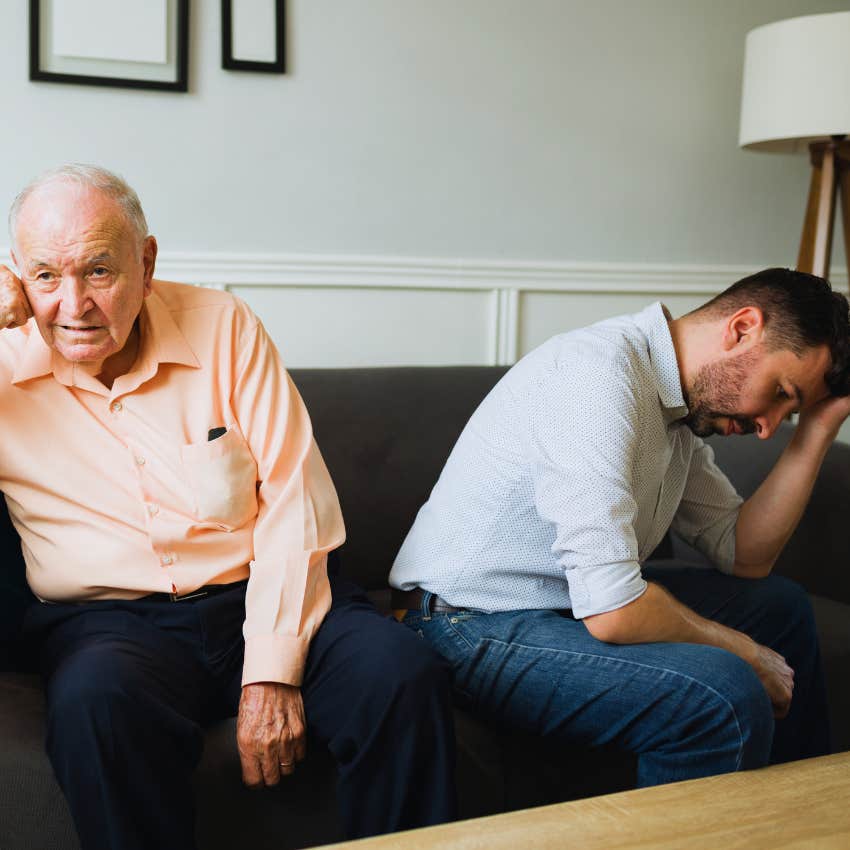
1. They keep putting up with their parents’ mistreatment
 Antonio_Diaz from Getty Images via Canva
Instead of pulling away, kids who didn’t have a great relationship with their parents growing up might actually keep clinging to them as adults, always hoping something might change. Kids want their parents’ approval, so it’s hard for them to stop taking whatever crumbs they’re willing to offer, even as they grow into adults.
Setting boundaries with parents can be challenging for any adult child, no matter what kind of relationship they have. Some people overlook their parents’ toxicity because they think it’s the right thing to do. Other times, they simply hold onto hope that their parents will finally give them what they need in order to feel seen and loved. Sadly, that rarely happens in situations like this.
2. They worry too much about what other people think of them
Kids who felt like their parents misinterpreted and misunderstood them in the worst ways often become adults who expect pretty much everyone to act the same way. They’ll replay conversations in their head and read texts ten times to try to figure out if there’s something they’re missing.
These people’s greatest fear is being rejected, just like they were by their parents. That changes their relationships and makes them overreact to little things that don’t mean much.
They’re constantly trying to read everyone’s moods and wondering if they made them mad. They can never feel comfortable in their relationships or accept the fact that people really like having them around.
3. They struggle to put their emotions into words
After being misunderstood by their parents, people put walls up because they feel like they have to. That’s the response they expect from everyone, so they don’t really know how to open up about what they’re feeling because they don’t think it’s worth it.
They do whatever it takes to avoid being vulnerable because that feels so foreign to them. They wouldn't even know where to start if Unfortunately, that harms their relationships with others and with themselves, so they can never break free from the cycle of hurt that their parents started.
4. They can’t believe anyone would actually care about them
To be fair, just because parents don’t really get their kids doesn’t mean they don’t love them. But that feeling of neglect they experienced from being so misunderstood can still leave a gaping hole they have to deal with.
Since they always questioned if their parents cared, they’re going to have a hard time believing anyone else does. Too often, insecure people don’t know how to accept love because it doesn’t match what they think of themselves. Anything else seems impossible to them.
5. They feel like they don’t fit in no matter what they do
 Biserka Stojanovic from Getty Images via Canva
People who grew up feeling lonely are probably going to continue struggling with that, even when they have friends and other loved ones around them. They may feel alone even in a crowded room because even when they’re with other people, they worry that they don’t really see them. It maight not be true at all, but the feeling starts within them, so it follows them.
It’s really hard for them to break this pattern. They don’t open up or trust easily, so they don’t know how to get closer to people.
To make matters worse, for someone to get over feeling like they don’t fit in, they have to work on boosting their confidence and showing themselves love. That’s extra difficult in this situation.
6. They wish someone would offer help, but they won't ask for it
When kids don’t feel like their parents are there for them, they get the message that they can’t rely on them for help, even when they need it. That’s a hard habit to shake.
Chances are they’ll always feel like they need to handle things alone without anyone else’s help. But, at the same time, they’ll be painfully aware of how they wish things were different.
They’ll get hung up on wishing that someone would see how much they’re carrying and offer the help they’re afraid to ask for. But since they struggle to get close to people, it probably won’t happen.
7. They try too hard to make everyone else happy
People who were misunderstood by their parents growing up will have two goals. The first is to never make anyone else feel as alone as they did, and the second is to keep everyone happy so they don’t lose even more support.
Doing whatever other people want to stop them from leaving is a classic sign of people-pleasing. These people are afraid of anyone who does care about them walking away, so they do whatever it takes to keep that from happening.
Of course, they just lose more of themselves in the process. They may be making other people happy, but they’re refusing to acknowledge their own very real needs at the same time.
Mary-Faith Martinez is a writer with a bachelor’s degree in English and Journalism who covers news, psychology, lifestyle, and human interest topics.
