
Older Generations Kept 7 Common Items Forever That Gen Z Now Treats As Disposable
 SpeedKingz | Shutterstock
Gen Z doesn't really save money, mostly because they don't think they'll ever be able to own homes or retire. They don't have space, so they don't save stuff, and they don't keep anything that they don't want, even if it's still usable.
Believe it or not, older generations are more environmentally friendly than younger ones. Boomers recycle more than other generations. They were likely taught to reuse things from a young age. This caused them to hold on to things that Gen Z might throw out now because they view things as disposable.
Older generations tend to hold on to these things, while Gen Z throws them out without a second thought:
1. Takeout containers
 Africa Studio | Shutterstock
Gen Z spends more on takeout than their older counterparts. Grabbing food is easier than worrying about what to eat when they get home. Without thinking, they likely throw their containers into the trash. To them, these are one-time uses.
Because older generations recycle more, they might hang onto containers to repurpose. When I visit my parents or grandparents, and they send me home with food (which is pretty much every time), they open a drawer overflowing with repurposed takeout containers. To them, it’s practical to have them on hand. For Gen Z, it’s just another piece of trash.
2. Aluminum foil
I love my older family members, but sometimes they take their savviness to the next level. I’m a Millennial, but even I can admit saving aluminum foil is a bit extreme. However, I have seen it done with my own eyes. My grandma has a kitchen drawer with random pieces of aluminum foil floating around inside. I know costs are rising, but foil remains an inexpensive household item. It doesn’t make sense to me, but it does to them.
As retirees feel more uncertain about the economy, they take being frugal seriously. Saving foil is safe in some situations, and if it saves them a few bucks, why not? Gen Z, on the other hand, might not buy foil at all, let alone reuse it when they have some on hand.
3. Grocery bags
Gen Z can agree with older generations on this one, but they do it a little differently. Cute reusable bags are trendy, and it’s helping younger generations become more eco-friendly. Well, to an extent. We may buy more bags than we need, which is wasteful, especially if made of plastic. Older generations were the original reusable bag crew.
Instead of shopping for cute ones, they keep their plastic grocery bags and bring them back to the stores or repurpose them for pet bags or bathroom garbage liners.
4. Tattered clothes
 Jack.Q | Shutterstock
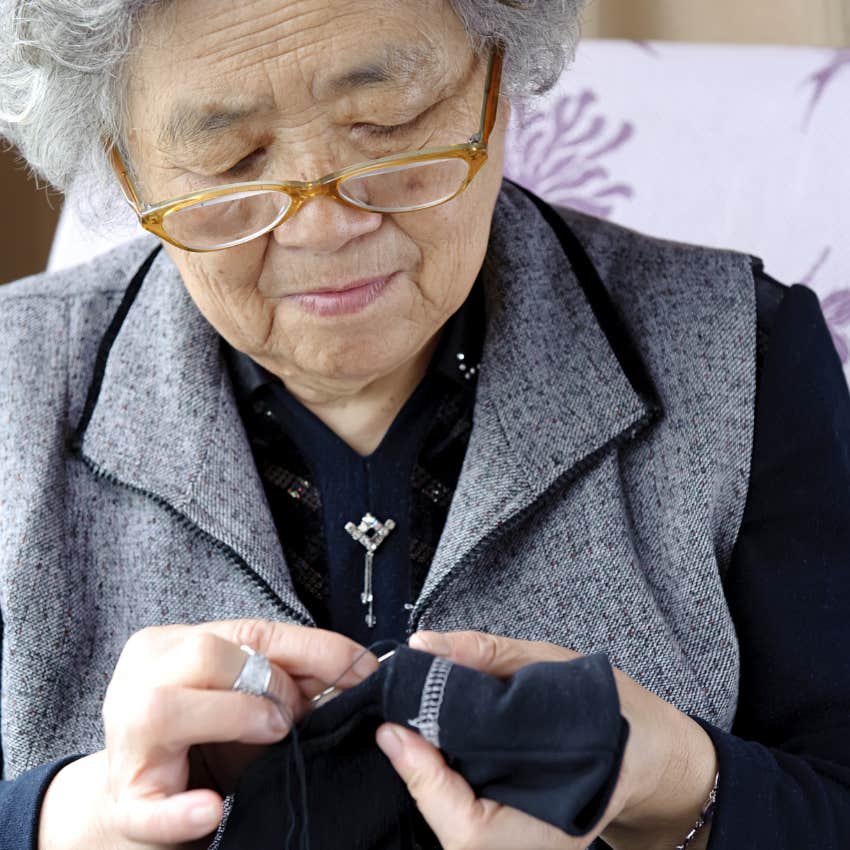
Gen Z is becoming more interested in upcycling clothes. They are choosing to thrift before buying new clothes at the store. That doesn’t mean they aren’t guilty of throwing away a tattered shirt that could be salvaged.
The problem is that they may not have the skills to hand-stitch holes or loose fabric. Older generations, however, were taught to be crafty. It was common for grandmothers to pass the art of sewing down to younger members of the family.
A study found that younger generations cannot sew or do laundry as well as the older ones. With a decline in these skills, it’s no surprise that Gen Z might ditch worn-in clothes.
5. Dish towels and washcloths
Constantly buying paper towels adds up. However, younger generations have become so accustomed to them that they’ll buy them. They might not own a dish towel or a washcloth. This habit is creating serious waste. A study found that paper towels account for 20-40% of waste on university campuses. That’s no joke. This habit can be hard to kick when Gen Z is accustomed to it.
Dish towels and washcloths help the environment. This is an old-school habit older generations got right. Washing and reusing things is not only frugal, but it’s also environmentally friendly.
6. Gift bags and ribbons
Gift bags and ribbons are expensive, especially around the holidays. These might seem like little expenses, but once you’ve gotten gifts for everyone on your list, you might spend a few hundred dollars. Older people wrote about their experiences in an online forum. Many said their parents taught them to reuse them to save money. Like most of these habits, it’s a great way to help the environment. Just make sure you don’t give someone the same bag they gave you!
Gen Z is notorious for their spending habits. They might throw away these things and look forward to buying new designs the following year.
7. Furniture with nicks and scratches
 PickOne | Shutterstock
Some older people are used to working with their hands. One complaint they might have about Gen Z is that they’re afraid of physical labor. When a piece of furniture in their home gets damaged, they might throw it away without thinking. While some are getting into flipping furniture for money, the average young person isn’t going to fix that shaky table leg. Older generations, however, know working with their hands is more than a hobby; it helps keep their minds sharp.
Working with your hands is great for your mental health. It can relieve stress, clear your mind, and help you solve problems. Taking time to mess around with that ratty couch might be the perfect escape.
Haley Van Horn is a freelance writer with a master’s degree in Humanities living in Los Angeles. Her focus includes entertainment and lifestyle stories.
