
People In The 70s & 80s Thought 8 Things Were Normal In A House That Now Feel Rich
 fotoak | Shutterstock
People in their 40s and 50s may have had landline phones and tube TVs growing up, but they also lived in homes with features people today might think are exclusive to the rich.
We're not talking about shag carpets here. No, the economy wasn't perfect back then, but single-income families living more than comfortably were normal. That meant there were actually affordable houses on the market, and you didn't have to make a doctor's salary to live a bit decadently.
Features of homes in the 70s and 80s that were normal then but considered rich now:
1. A large backyard
 LightField Studios | Shutterstock
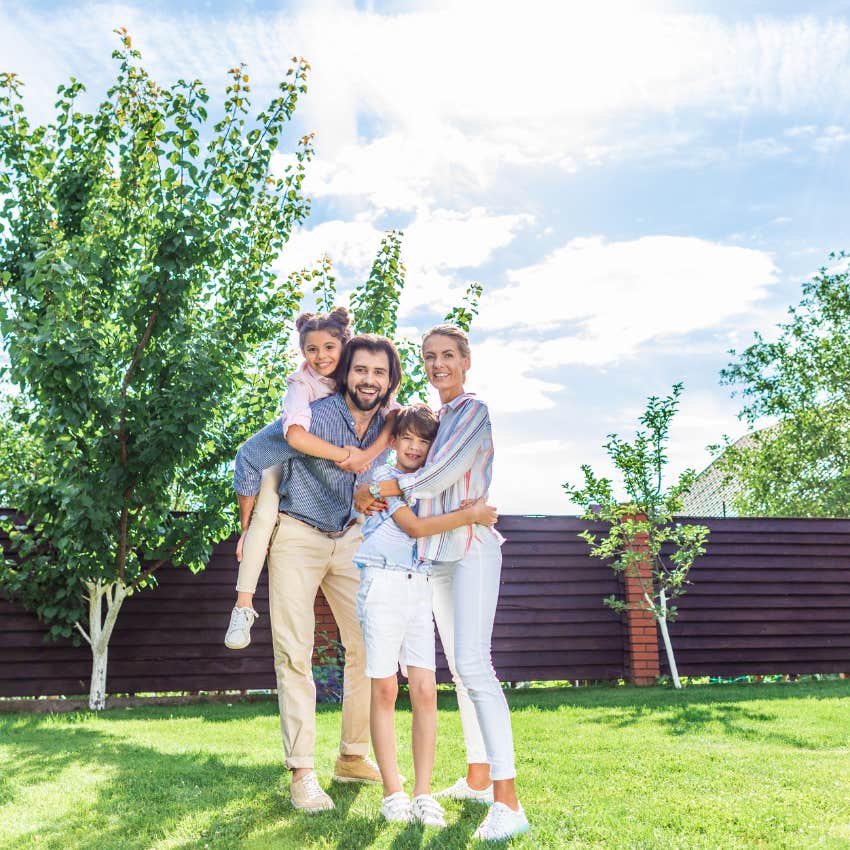
Sometimes I try to picture what life would be like if I could afford a home with a backyard. I think of my precious pups who would probably love the room to play instead of our tiny apartment balcony. I can count how many friends have a backyard. Okay, I’ll be honest, it’s like two fingers. The housing market is abysmal, and people struggle to make ends meet, let alone have a backyard.
In the 70s and 80s, the backyard was a special space. Families spent time together, grilled food on the barbecue, and enjoyed the sunshine. Kids would run around like a scene in a movie. I have wonderful memories of my family’s backyards. Having this outdoor space was normal, but now that I think about it, it feels like a real luxury.
Spending time outside boosts our mood and helps lower symptoms of stress and depression. Having a backyard might make time in nature more accessible.
2. Multiple stories
I grew up in a one-story house. I remember driving through other neighborhoods and seeing the large homes line the streets. I always imagined what it was like to live in a home like this. Before the economic crash, I experienced it when we moved to our first two-story home. I still remember how cool I felt the first time I ran up and down the stairs.
According to home developers, it costs more to build a two-story house than a ranch. That means they’re more expensive than their smaller counterparts. Now, a multi-floor home seems like a luxury because many people are struggling to buy homes in the current economy. It’s been especially difficult for younger generations to own a home, let alone one with stairs.
3. Having extra rooms to hang out in
Did you have a friend who had a media room or a playroom? It might have been a space for kids to play with their toys or an amazing setup for watching movies and TV.
It was a pretty standard home setup, especially in the 80s when McMansions became popular. These were smaller than the average mansion, but larger than regular family homes. Home sizes expanded drastically, leaving extra rooms. This allowed families to create unique hangouts in their homes.
4. A formal, rarely used dining room
 Nikonysta | Shutterstock
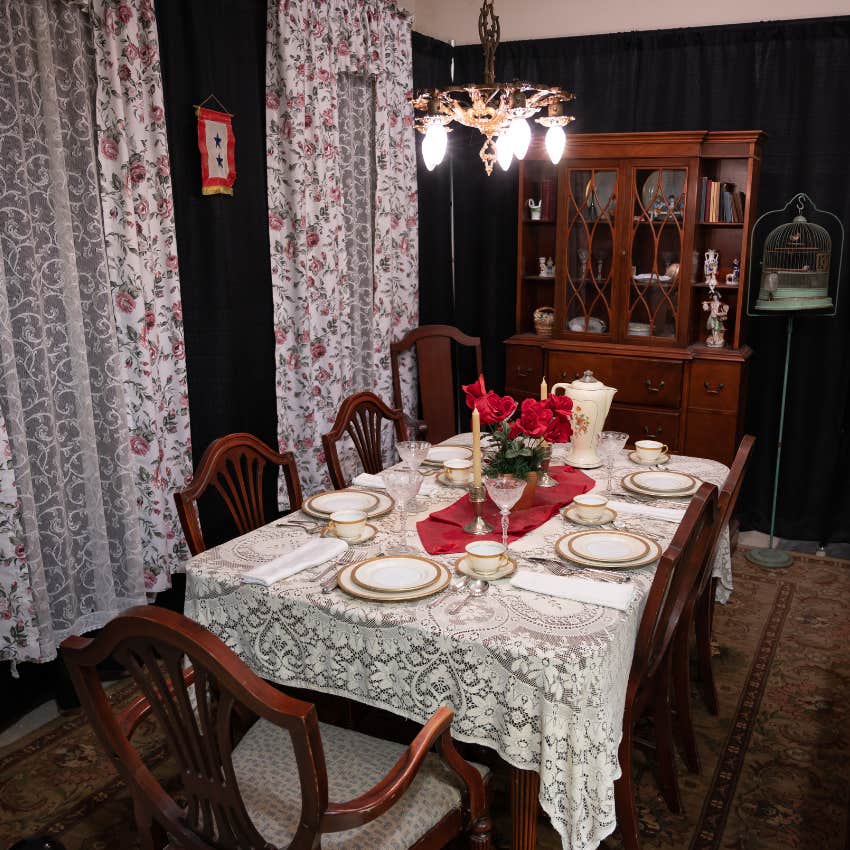
Homes seem so extravagant after spending years in an apartment. What do you mean you have two dining rooms? I don’t even have one! And you never use one of them unless it’s a special occasion? That is the fanciest thing I’ve ever heard. Plus, the dining rooms were always gorgeous. Since one was for show, why wouldn’t you go all out?
The space homes provided for families during this time were special. Now, I rarely see anyone with a formal dining room that goes untouched. I would love to bring this trend back if I ever hit the lottery.
5. A dedicated laundry room
I grew up with a laundry room in my house and never thought twice about it. That is until I moved into an apartment. Laundry has become my least favorite chore. What do you mean I have to give this machine QUARTERS to wash my clothes? I’m exhausted just thinking about it.
Homes in the 70s and 80s almost always had a dedicated laundry room. By the 1950s, washing machines and dryers were being mass-produced. Come the 70s and 80s, most households had them. Having a washing machine and dryer in my apartment would make me feel wealthy. Take me back to the glory days!
6. A fireplace
Wood fireplaces have gone back decades. People have been using fire to keep warm since day one. In-home fireplaces were popular for this reason. Before central heating and air conditioning were in every home, people depended on them for heat. They became especially popular in the 1950s, meaning anyone who was living in the 70s and 80s got to experience them.
They remained popular in homes for decades. Now, they seem more like a sign of luxury. Modern homes may have gas fireplaces, but they’ll never be like the classic, crackling sound of a wood-burning fire on a cold evening.
7. Guest rooms for friends and family
 Second Saturn | Shutterstock
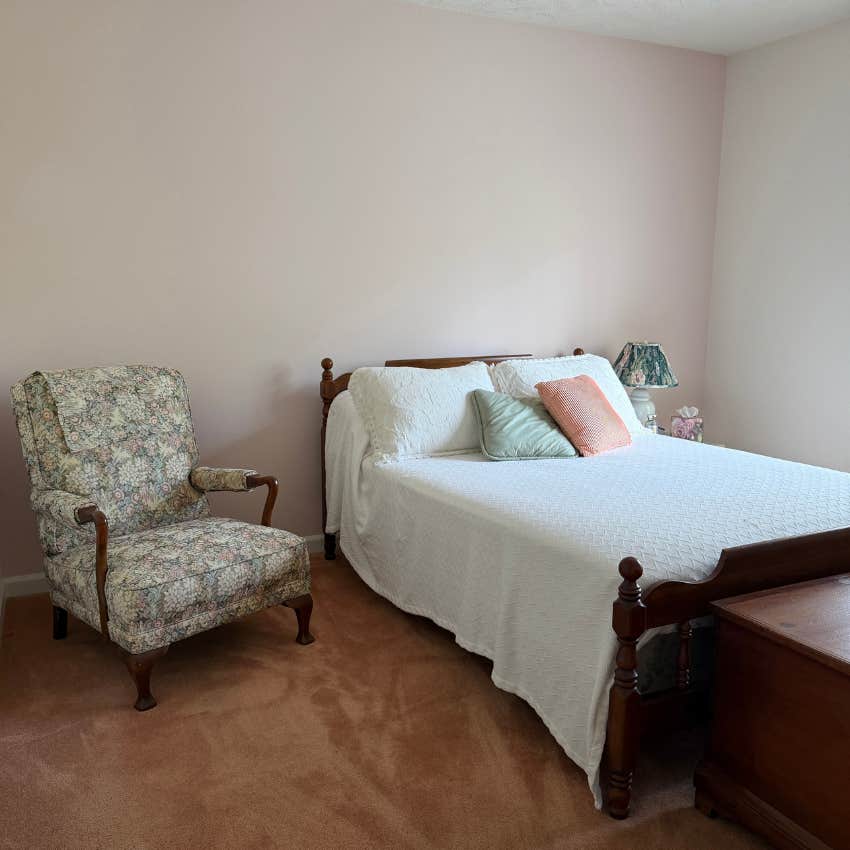
When I visit my older family, I always have a bed to sleep in. There is a dedicated guest room. Most of us grew up with that sense of hospitality. People would purposely keep a room for their loved ones to stay. I moved several hours from my hometown, so I often get visitors. However, all I can offer them is my couch, which is also known as the glorified cat bed. Usually, my loved ones end up booking a room at the hotel down the street.
Guest rooms are seen as a sign of wealth by many people now. It’s like having a hotel room in your home if you really think about it. However, a guest room might encourage visitors to linger, which isn't always wanted.
8. A massive kitchen with vast storage
If you’ve watched a movie from the 70s or 80s lately (which you should do, by the way), you probably noticed the kitchen scenes. I swear that everyone back then had a kitchen made for a chef. There was always room, plenty of cabinets, and the hottest appliance of the day filling the counters. Kitchens with more than three storage cabinets are a sign of great wealth, in my opinion.
Plus, the kitchy look of these kitchens was one of a kind. Everything is so boring now. White countertops, this, stainless steel refrigerators, that. Not only were these kitchens filled to the brim with storage space, but they were decked out in color and brought character to the home. With all the space and special appliances, these kitchens were luxurious.
Haley Van Horn is a freelance writer with a master’s degree in Humanities living in Los Angeles. Her focus includes entertainment and lifestyle stories.
