
People Who Live In Smaller, Older Houses Have 8 Benefits Over Those Chasing A McMansion
 ArtFamily | Shutterstock
 The housing market is weird. Everyone is chasing a McMansion, but hardly anyone can afford one. Meanwhile, people who live in smaller, older homes are the lucky ones, because the character alone is the real perk, and so are the lower utility bills.
When I was a kid, I thought having a big house was the ultimate status symbol. My biggest goal became having a massive house of my own. Fast forward a decade or two, and I am living in an apartment, and I don’t dream of a McMansion anymore. The comfort of my small living space is more than enough for me. In fact, there are many benefits to keeping it small that some don’t think about.
Benefits people have who live in an older, small home instead of chasing the dream of a McMansion:
1. They have lower housing costs and property taxes
 PerfectWave | Shutterstock
Buying a home is expensive. For many young people, it’s something completely unattainable. In most metropolitan areas, prices are so high that if they want to buy a home, they have to move deep into the suburbs. This is where smaller homes can make a difference.
Often, a smaller home is cheaper than the McMansions everyone seems to be chasing. It gives them a chance to buy real estate within their budget. A house with less square footage also means a smaller property tax bill, which in some states can be really high. Plus, they’re often easier to maintain, making them a responsible financial decision.
2. They are easier to maintain inside and out
Cleaning can be overwhelming for some people. Living in a massive home makes that task even more difficult. If someone is busy, chores can fall by the wayside. And don't forget all the yardwork!
A messy space can make us anxious and overwhelmed. It can also signal that life is taking a lot out of us. Overwhelmed people might not have the energy to devote to their homes, creating a chaotic space that only adds to their struggling mental state. In a small home, there is less space to clean. This can make it feel more manageable.
3. They make a better investment
Having a lower budget when shopping for a home doesn’t have to be a bad thing. Sometimes, finding a smaller home in a prime location can be attainable, especially in areas where people view large homes as the ultimate status symbol.
The truth is, the best investment is having the smallest house in the nicest neighborhood. That way, you reap the benefits in terms of property value, and you also get the good schools and the desirable zip code
4. They have a house with character
 voloshin311 | Shutterstock
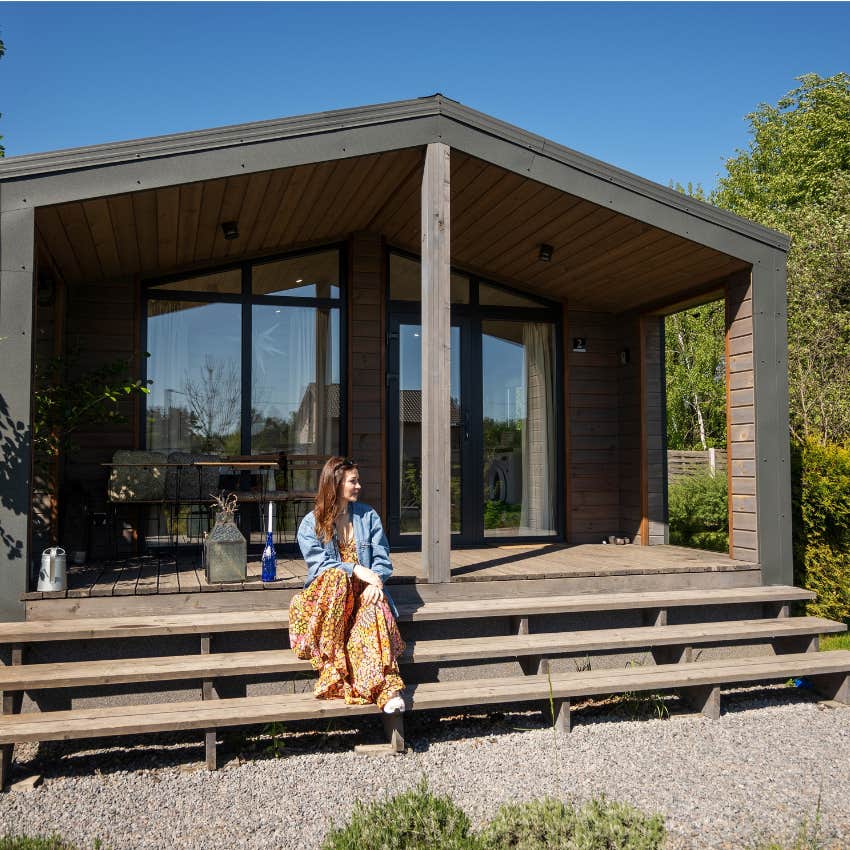
I live in an apartment in a neighborhood with a mix of smaller, older homes and modern, large ones. I’m never drawn to the gaudy McMansions that look like they could double as an office building. The little homes on my street have been there since the early 1920s, and they bring me joy. They have character and a history that fascinates me. Plus, they’re so much cuter.
Tiny homes have become trendy, proving that for some people, size is less important than charm and character. Small, enclosed spaces can feel comforting, especially when they’re decorated with personality instead of a boring, large mansion.
5. They aren’t always seeking the next best thing
Growing up, I knew a family that had much more money than we did. They were obsessed with having the next big thing. They had a large pool in their massive home’s backyard with all the highest technology. There were TVs outside, which always seemed a bit much to me. Someone who loves their smaller, more comfortable home may not feel compelled to become the coolest person on the block.
It’s like they were constantly looking for a reason to brag about their home. Rarely does anyone like a show-off. Someone who doesn’t care about these things and finds pride in their smaller home may come across as more level-headed.
6. They feel fulfilled with what they have
We all know someone who doesn’t seem to feel comfortable with who they are. They’re constantly changing their career or look until something sticks. Often, nothing feels good enough, and they still don’t understand themselves. It may sound silly, but this behavior can affect how people view their living spaces. Their homes may never feel like enough, and they don't know exactly what they need, but will still search for it.
This is referred to as nexting. This type of person is constantly seeking the next reward or change to bring them joy. People in smaller homes may embrace the little things in life, unlike someone like this. They’re not looking to build a massive addition to their home or change their space with the latest design trend. Instead, they’re happy with what they have.
7. Their space always feels cozy and welcoming
 AlexMaster | Shutterstock
Have you ever walked into a home that felt almost sterile? When I picture a space like this, it’s all white, everything is a little too clean, and it doesn’t look like anyone actually lives there. To some, this is their ideal life. They have a massive mansion that is in tip-top shape; what more could they want? Sure, it sounds great in theory, but I love homes to feel lived-in.
A cozy, small home feels comforting to me. Often, these homes have knick-knacks, art, and little pieces they love that fill the space. These are people who love to have their space reflect their personality.
8. There is less room for clutter
We may not realize how much a cluttered space affects us. The amount of stuff around us can become overwhelming. It can become distracting and prevent us from focusing on our daily tasks. In a smaller home, people may have less space to fill with junk. Instead of a large home filled to the brim with items, they need to be more mindful about what they keep.
Clutter impacts people differently. For many, it can be the tipping point that sets them off when they’re feeling overwhelmed. Choosing a smaller space can help people prone to collecting items kick the habit because they don’t have the extra room to hold it all.
Haley Van Horn is a freelance writer with a master’s degree in Humanities living in Los Angeles. Her focus includes entertainment and lifestyle stories.
