
People Who Get Startled Easily By Loud Noises Are Usually Dealing With 7 Nervous System Issues
 Krakenimages.com | Shutterstock
 It’s common to get easily startled by things. We all get scared by random sounds or sudden movements, which is why Halloween exists. However, if you feel overly jumpy or nervous at even the slightest things, it might be a sign of something deeper. The good news is that most of these symptoms can be treated with some professional help. Here are some of them.
People who get startled easily by loud noises are usually dealing with 7 nervous system issues:
1. Their body stays on high alert, even when they're safe
Hyperarousal happens when your brain and body stay on high alert, even when you’re safe, according to Cleveland Clinic. It’s like being in fight-or-flight mode when there’s no danger around you. Your sympathetic nervous system, which helps you react to threats, stays active longer than it needs to. That can leave you feeling on edge and reacting strongly to sudden noises that other people barely notice.
There are many reasons as to why one may be prone to hyperarousal, such as anxiety or trauma. There are also many symptoms of it, such as always worrying, having sudden flashbacks, extreme sensitivity to sounds, smells, and textures, and outbursts of rage. Those who are easily startled are probably in a state of hyperarousal.
2. They're constantly watching for something to go wrong
 andreswd from Getty Images Signature via Canva
Hypervigilance is similar to hyperarousal, but they’re not exactly the same. While hyperarousal keeps your brain and body on high alert, hypervigilance means constantly checking your surroundings for possible threats. The two can happen together, making it hard to feel safe even when there’s no immediate danger.
Survivors.org explains that this can lead people to pull away from others or avoid situations that feel unsafe, even when they aren’t. Over time, that can strain relationships and make daily life harder. Exercise, yoga, meditation, and journaling may help people cope, alongside professional support when needed.
3. They're experiencing symptoms of PTSD
A traumatic event can leave people feeling on edge long after the danger has passed. Dr. Kirtly Parker Jones explains that while PTSD is often associated with soldiers returning from war, it can also develop after experiences like assault, a serious car accident, or a frightening medical emergency.
Not everyone who experiences trauma develops PTSD, but those who do may struggle to feel safe again. Their brain and body can remain on high alert, making sudden noises feel threatening even when nothing dangerous is happening.
4. They're dealing with an anxiety disorder
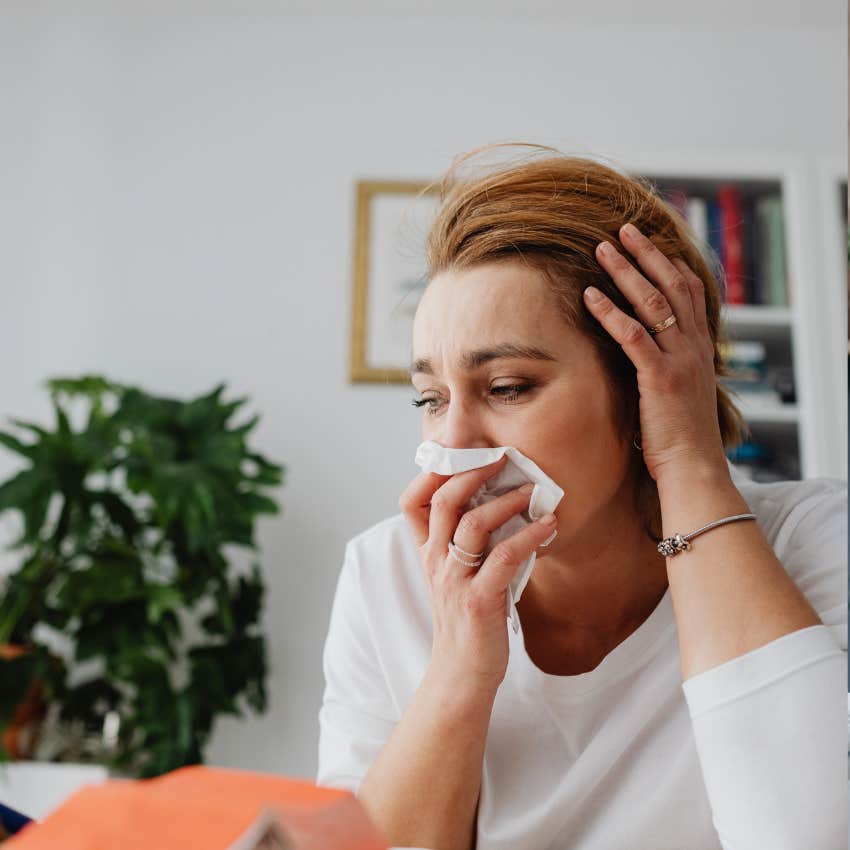 Karola G from Pexels via Canva
A small 2009 study found that people with generalized anxiety disorder (GAD) reacted more strongly to sudden noises during tasks involving worry or relaxation than people without it. Researchers compared nine women with GAD with nine women without the disorder, playing brief noises while they completed different tasks. The difference wasn’t present during the baseline period, suggesting that how people feel and what they’re focusing on may affect how easily they startle. The study was small, but it offers one possible explanation for why some people with anxiety feel so jumpy.
5. They're consuming more caffeine than their body handles well
Dr. Jones explains that caffeine can also make people more easily startled. Drinking a lot of coffee or other caffeinated drinks can leave you feeling jumpy and irritable, so noises that barely bother someone else might get a much stronger reaction from you.
75% of Americans have caffeine every single day. While this is healthy when people are consuming natural amounts, it can also spike anxiety. UCLA Health explains that caffeine stimulates your Central Nervous System (CNS) and blocks your ability to relax. This explains why people are so easily startled.
6. They're not getting enough sleep
 shisuka via Canva
Not getting enough sleep can also leave you feeling more jumpy and irritable. It’s easy to put rest last when there’s always something else to get done, but Dr. Jones explains that being underslept can make your brain more reactive. According to the Neuro-Visual Performance Institute, fatigue can make it harder to manage your reactions, including how strongly you respond to sudden noises. Getting help for ongoing sleep problems may help you feel less easily startled.
7. They're dealing with ongoing stress
We all go through stressful periods in our lives, and that stress can affect how alert and reactive we feel. Dr. Jones explains that cortisol is a hormone our bodies release in response to stress. She describes research involving women who had high stress and cortisol levels during pregnancy. Their babies also had elevated cortisol levels and were more easily startled, suggesting that conditions in the womb may influence how sensitive a baby is to sudden sounds.
Getting startled easily doesn’t always mean something’s wrong, but it’s worth paying attention to when it happens and how it affects you. If you find yourself feeling on edge or struggling to relax, a healthcare professional can help you understand what’s behind it. You don’t have to brush it off as just being a jumpy person.
Sophie Bagheri is a writer with a bachelor’s degree in English and theatre who covers lifestyle topics.
