
People Raised In Small Towns Mastered 8 Common Sense Habits That Big City Kids Often Lack
 Tomsickova Tatyana | Shutterstock
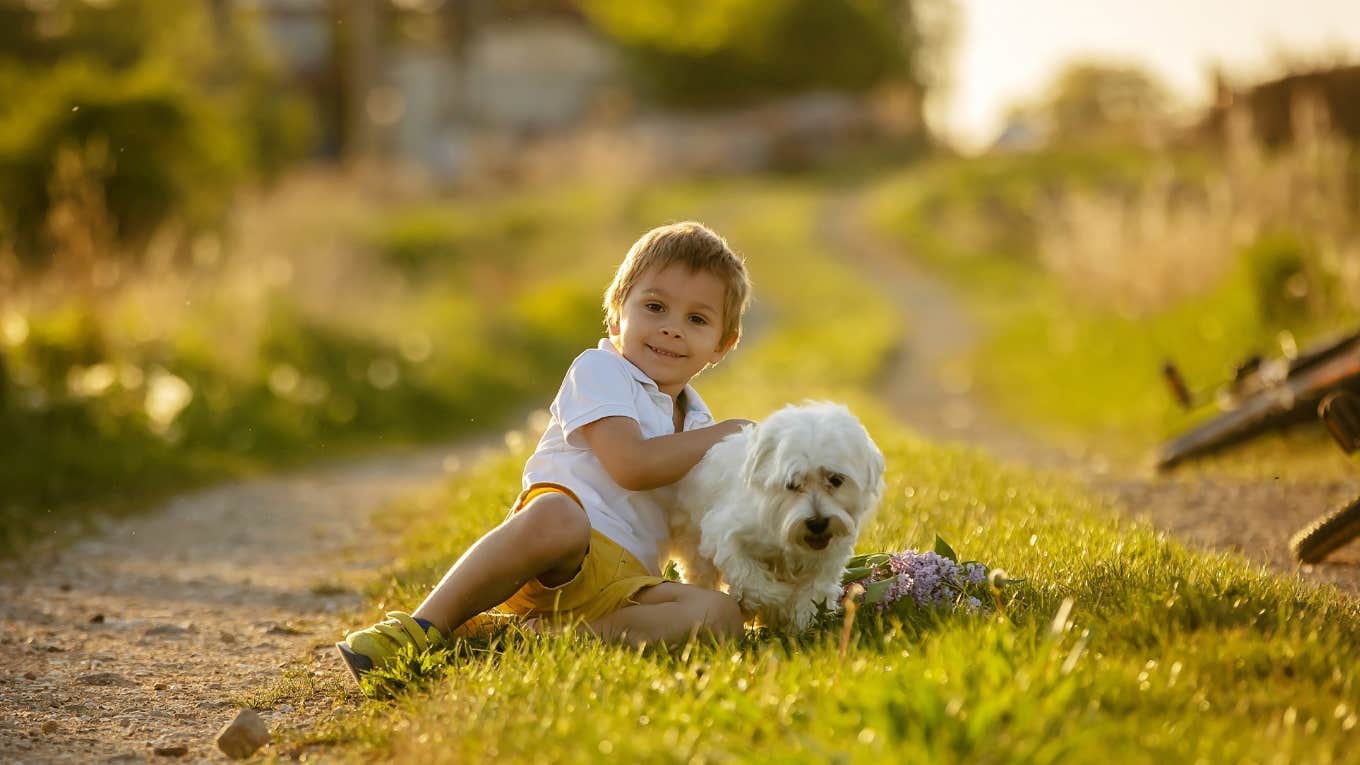
 Small-town living is usually unfairly stereotyped as unsophisticated. The truth is, growing up in rural areas gives kids a bunch of useful life skills that city kids may never master.
There are so many ways being a kid in a small town is amazing. There's a sense of freedom and community that isn't as stifling as their cosmopolitan peers think. Sure, it's not quite as glamorous, but these kids are often raised by a whole village, which makes their experiences more diverse than most people assume.
Common sense habits small-town kids mastered that big city kids often lack:
1. They owned their mistakes because someone was always watching
 Sergey Novikov | Shutterstock
It's a whole lot easier to be anonymous in a big city than it is in a small town. When everyone knows who you are and who your parents are, you quickly learn to own up to your mistakes because if you don't, someone will rat you out. Everybody knows everybody, so word gets around quickly. Even if you say the wrong thing to a friend or make a mistake in public, chances are it’s news for the town in days.
Small town living is the modern embodiment of the saying it takes a village to raise a kid. It might not be that great when you're caught skipping school by your best friend's great aunt, but it gets you comfortable with the habit of accountability pretty fast. Plus, there's always someone to turn to when you need help or someone to listen.
2. They learned how to entertain themselves
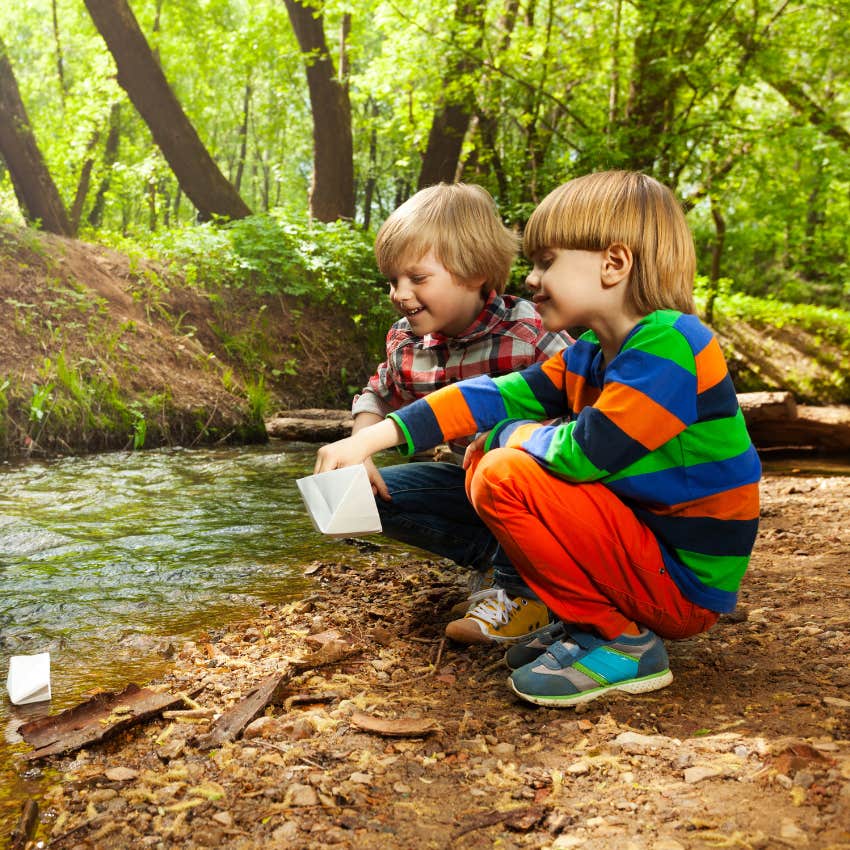
In a big city, there’s almost always something going on. Even parents who want to entertain their kids have a million options for things to do and experience. However, in small towns, kids learn to make their own fun. They’re forced to entertain themselves and fill their own time, without constant stimulation or distraction.
Luckily, boredom can build self-esteem, boost creativity, and even help with emotional regulation skills in children. Small town kids play outside in groups and make up games together. They spend time hanging out and just doing nothing together. They build bonds with their friends that city kids hardly get to experience.
3. They learned to trust their neighbors
Small-town kids learn early to trust and rely on their neighbors. Whether it’s going to their homes after school or playing with their kids in the neighborhood, community is often a natural part of their lives and routines.
Having a community of neighbors influences well-being later in life, and small-town kids have the advantage of an upbringing centered on those relationships and connections.
4. They learned to tolerate people they disliked
When you’re in a big city, you can usually find a way to avoid the people and things you don’t like. However, in a small town where everybody knows everyone, avoiding different opinions and people you’ve had arguments with can feel nearly impossible. You’re always running into someone at the gas station or interacting with another family that you’ve had a scuffle with.
Much like kids learn how to resolve conflict by watching their parents argue and make up at home, they also learn how to coexist by living in these communities. Whether it’s watching their parents be courteous to people they dislike or spending time in the neighborhood with kids they’ve argued with, there’s no avoiding the discomfort.
5. They developed a special relationship with nature and spending time outdoors
 Komuso and Colorsandia | Shutterstock
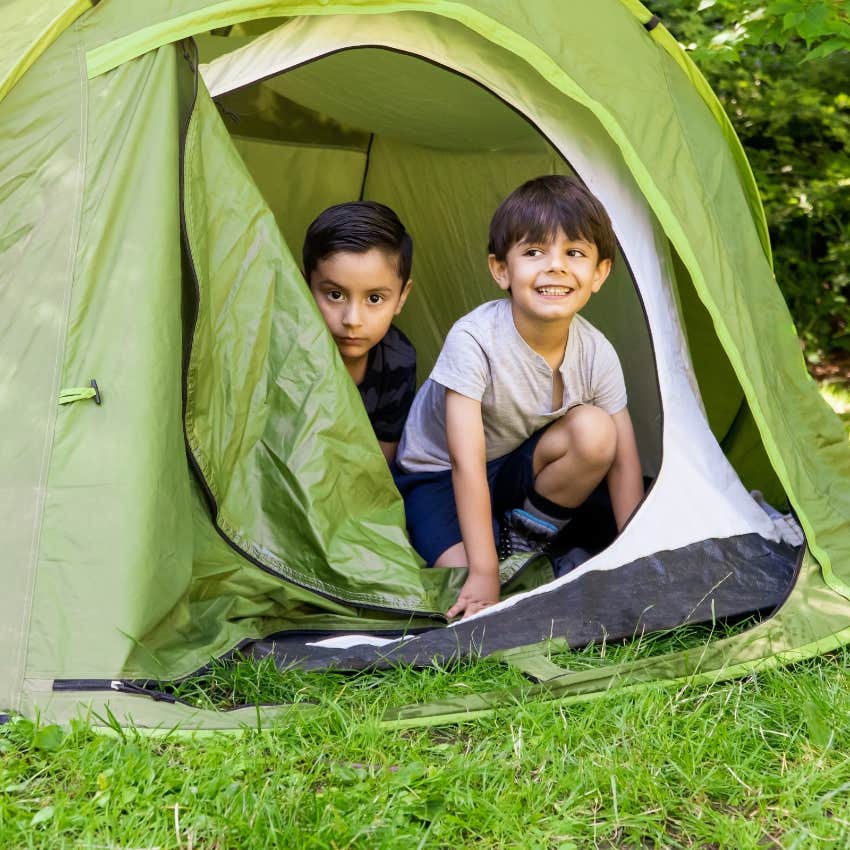
Most small towns are in rural areas, and when kids play in these areas, they play outside. People raised in small towns rode bikes, swam in creeks, fished, climbed trees, and generally ran amok outdoors. As adults, that love of the outdoors doesn't just go away.
And it's a good thing it doesn't. Spending time in nature is known to boost both physical and mental health. City kids don't get to experience the outdoor world in the same way, especially since their green spaces are limited to parks that aren't always accessible.
6. They learned how to give back
In small towns where communities come together quickly in times of tragedy, there’s something profound about the example of kindness and giving that kids growing up there experience.
When kindness and giving back shape our happiness so deeply, these kids build a foundation of generosity later in life.
7. They learned to advocate for themselves
When you’re in a big city, things like local politics and social issues can feel out of reach. Especially for a busy family without connections to people in charge, it’s easy to take a back-seat approach to many issues. However, small-town communities open the door to a lot more engagement.
Whether it’s going to a town hall meeting down the street, or even using lawn signs as a kind of solidarity, small-town kids learn early what it means to advocate for change.
8. They learned to appreciate simplicity
 MAYA LAB | Shutterstock.com
While there’s plenty of excitement in every small town, many of the kids who grew up there learned to appreciate what living a simple life actually meant.
There's a lot less materialism when things at home aren't as flashy as in the city. These kids learned the importance of the simple life and how things don't make you happy the way people and community can.
Zayda Slabbekoorn is a senior editorial strategist with a bachelor’s degree in social relations & policy and gender studies who focuses on psychology, relationships, self-help, and human interest stories.
