
People Who Are Exceptionally Resilient Refuse To Say 9 Phrases When Things Don't Go As Planned
 syedfahadghazanfar | Shutterstock
 Without resilience, someone wouldn’t respond to hard times very well. Resilient people can accept challenges and keep moving forward without falling apart, and that's especially evident in how they speak.
It's an important trait, and it often shows up in subtle ways. The people with the most resilience choose their words carefully so they never say something that makes them feel defeated.
People who refuse to say these phrases when things don’t go according to plan are usually the most resilient:
1. ‘This is hopeless’
 Andrew Neel from Pexels via Canva
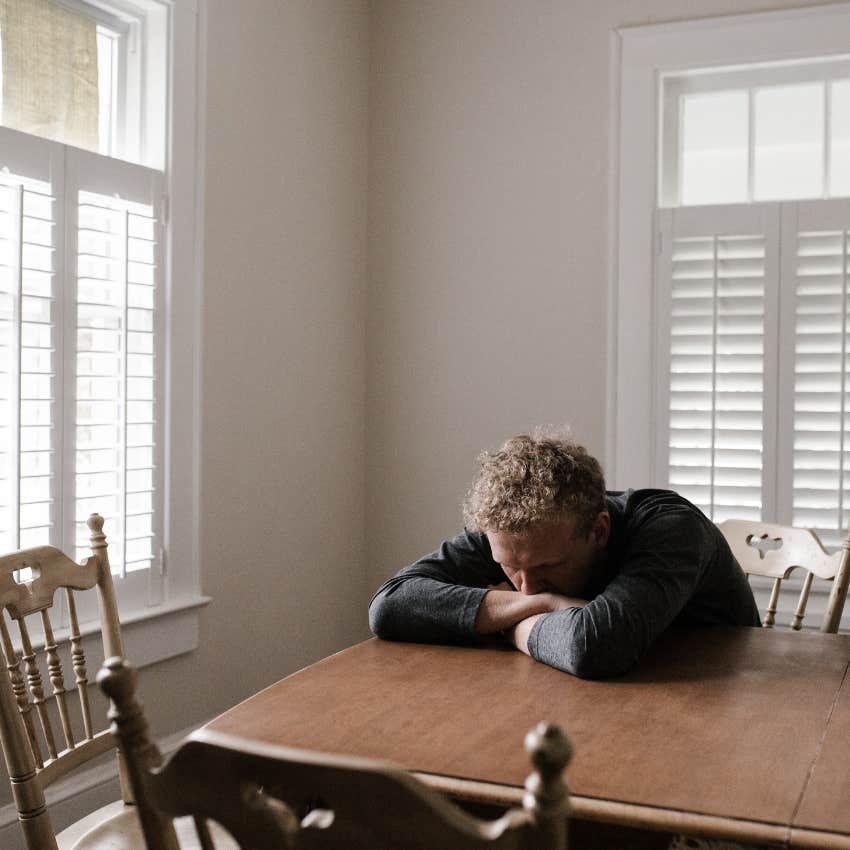
Few things could truly be described as hopeless, but most people let this kind of negativity slip into their speech because the human brain makes negative things stand out more than positive ones.
It takes effort to stop that from happening, but resilient people are willing to put the work in. They know that saying something negative will affect their whole mood, so they try to find something good to hold onto even in the worst moments.
2. ‘I hate having to do this’
When someone spends too much time focusing on the bad things that happen, their mood will plummet. No one is able to completely avoid complaining, but resilient people don’t let it become a habit.
Even if they really do hate something, they’ll try to reframe it more positively. It won’t help them or anyone else if they complain excessively. When things don’t work out, they still try to stop themselves from acting like it’s the worst-case scenario.
3. ‘If it doesn’t work out, I’ll figure out what to do next’
This phrase doesn’t sound very dangerous, but there’s one word that changes the meaning of the whole sentence in a really powerful way. When people say “if,” they’re making it clear that they think failure is a very real possibility.
That’s how self-doubt creeps in and destroys people’s confidence. Anyone who’s resilient knows they have to avoid that, even if it requires a “fake it till you make it” mindset. Giving voice to their doubt makes it more real, so they refuse to do that.
4. ‘I’ll try to do better next time’
Some people probably think it’s empowering to try to do something. It does mean they’re making an effort, after all. But resilient people don’t say this because it signals that they might not be able to do what they want, and that there’s a good chance they’ll fail.
It doesn’t seem that serious, but it’s a small mindset shift that can make all the difference. People who bounce back easily don’t really see anything as a failure when it could be considered an opportunity, so they refuse to talk about it that way.
5. ‘Why does this always happen to me?’
 pixelshot via Canva
Bad things happen all the time. There’s no way to escape them, so what really matters is how someone reacts to them. Instead of feeling sorry for themselves, resilient people take a different approach.
When someone’s resilient, that means they’re a natural problem-solver. They can’t fix everything, but they can choose to take the small steps they are capable of. They also stop any catastrophic thoughts from taking hold in their mind so they don’t feel overwhelmed, and it makes a big difference.
6. ‘Sorry to bother you’
Unless someone is in the middle of something super serious, there’s no need to apologize for interrupting them for a minute. But people still do this because they think it sounds respectful.
In reality, it usually rubs people the wrong way when someone offers an unnecessary apology because it’s really just annoying. No one feels like someone is extending them some kind of courtesy by apologizing for simply taking up space.
That’s why resilient people never do this. They always present themselves as confidently as possible, and they don’t feel bad when they need to ask for something perfectly reasonable.
7. ‘I don’t have the energy to deal with that’
There will be a lot of times when this phrase really does feel accurate, but resilient people still won’t say it. This is basically a way to shut down any hope. It sends the message that someone won’t even attempt to make something work.
Hope might sound silly, especially in a world with so many problems, but it’s something that resilient people still tap into. They’re able to acknowledge that things aren’t going the way they wanted while also doing what they can to make it better. They never throw in the towel completely.
8. ‘It’s all my fault’
This probably seems a little contradictory, but it is actually a good thing for people to hold themselves accountable. It becomes a problem when someone chronically blames themselves for everything that goes wrong, though.
People turn to blame in this way because it makes them feel like they’re in control of something. But that’s not the kind of control resilient people want. They’re totally willing to admit when they’re wrong, but they also don’t let it turn into some kind of toxic self-attack that makes everything worse.
9. ‘You’re making things worse’
 Timur Weber from Pexels via Canva
The problem with using this phrase, even if someone really is making things worse, is that it’s an obvious personal attack. Instead of focusing on the problem as a whole, someone chose to go a step too far and make it about one person and their behavior.
Resilient people have learned that calling someone out like that is rarely helpful unless it’s absolutely necessary. Telling someone they’re the problem isn’t going to make them want to work on finding a solution. That just alienates people and makes it much harder to accomplish anything.
Mary-Faith Martinez is a writer with a bachelor’s degree in English and Journalism who covers news, psychology, lifestyle, and human interest topics.
