
People Who Don't Show Their Full Personality Until You've Known Them A Long Time Usually Have 9 Distinct Traits
 Nick Mayer | Pexels
 Our personalities actually change from moment to moment. They're malleable and far more nuanced than we realize.
The way people show up around others is influenced by internal experiences and traits. So, the people who don't show their full personality until you've known them for a long time might come across as rude or distant, but it's because of these traits, not their dislike or lack of trust in others.
Distinct traits of people who don't show their full personality until you've known them a while
1. They're introverted
 Inside Creative House | Shutterstock
Many introverts prefer one-on-one conversations and deeper relationships because they're more nurturing to their natural social battery.
When they're out in big groups or at loud parties, and around strangers who only make space for small talk, they're easily drained and protective of where their energy goes. The more you get to know them, and the more intimate your conversations become, the more they blossom into their truest self.
Introverts also tend to have lower self-esteem than extroverts, making it harder for them to call upon authenticity without worrying about what other people think or how they're being perceived. The trust many confident extroverts give to people when they're being their true self is what introverts take a little longer to cultivate.
2. They worry about how they're perceived
People who struggle to be their most authentic selves with new people are operating from a place of fear. Whether it's rooted in self-esteem problems or distrust, they have a hard time revealing themselves out of fear that they're going to be rejected or judged.
Unfortunately, the more someone harbors this kind of anxiety in social situations, the more their attention is drawn towards things that reaffirm their inner worries. For example, someone anxious about being judged at a party will surely notice the negative facial expressions and comments more than the positive, truly reassuring ones.
It takes these people a lot more time to warm up to others because they're entering interactions and conversations already believing that someone is judging them.
3. They struggle with trust
Whether it's unresolved childhood trauma or a fear of rejection, some people who don't reveal their true personalities until they've been around someone enough struggle with trust.
They're the kinds of people who don't commit easily to new relationships and friendships. They don't get vulnerable quickly, and need time to let down their emotional walls.
Yes, learning to trust people, even when you're not 100% sure they'll prove you right in the decision to, is how we mediate loneliness. But these people tend to take a lot of time and underestimate great relationships before they even start to cope with their inner worries.
4. They live in their heads
Overthinking can often get in the way of someone's social connections. When most are actively listening to what someone has to say, these people are worrying about what they're going to say next or how they're going to be perceived. They may even be worrying about whether someone likes them or not, and slightly shifting how they're acting to be more magnetic to others.
Instead of being in their bodies and in the moment with someone as their natural self, they get caught up in a performance to ease their inner thoughts.
The more they're around someone and the more small bids of trust they receive, the easier it is to come out of their shell. They can worry less about being liked or saying the right things, and trust that whoever they're around will accept them as they are.
5. They have a hard time with newness
 Veronica Perez Cortes | Shutterstock
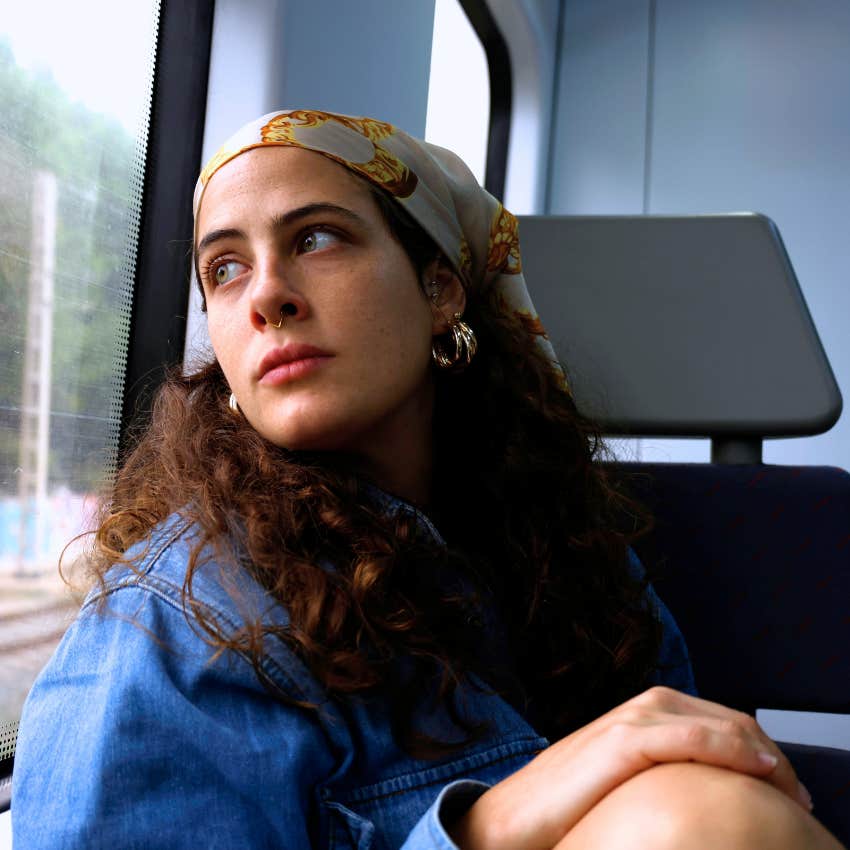
We have to seek out discomfort and step outside of our normal to grow as people, even when it's not easy. But some people really struggle with newness and take a long time to make a jump with strangers in social situations or set a boundary they need.
Their full personality lies on the other side of discomfort, and sometimes, for anxious and uncertain people, it takes more time to make the leap across.
6. They're extremely private
Private people often need a certain layer of comfort and trust before they can be vulnerable. When they meet strangers, they may be misunderstood as rude or arrogant people, but in reality, they're just protective.
They need to know they can feel safe around someone before they can be themselves fully, whether it's worrying about how they're perceived or their own emotional safety.
While this can sometimes be lonely for people unable to find connections or invest in building trust, these private people develop much deeper, intentional relationships because they don't overshare.
7. They worry about being rejected
People who worry about rejection often feel disconnected from other people in social interactions and groups. They perceive a lack of social support when, in reality, they're living in survival mode. They're reading into negative comments and facial expressions way more than the average person would.
They find it difficult to trust others because they're worried about being rejected or hurt, even if it isolates them. That's why it takes so long for them to warm up. It's easier to hide their true self and let people not choose them than to reveal their authenticity and be rejected for it.
8. They feel misunderstood
We underestimate the power that feeling misunderstood can have on our social comfort and competence. When feeling rejected or ostracized leads to social pain, that's the kind of evidence that builds emotional walls in someone for a long time.
They avoid showing their true selves because it's easier to get turned away or to feel judged when it's not a realistic picture of who they really are. That sabotages their connections over time, but it feels safer than the alternative.
9. They're sensitive
 Zamrznuti tonovi | Shutterstock
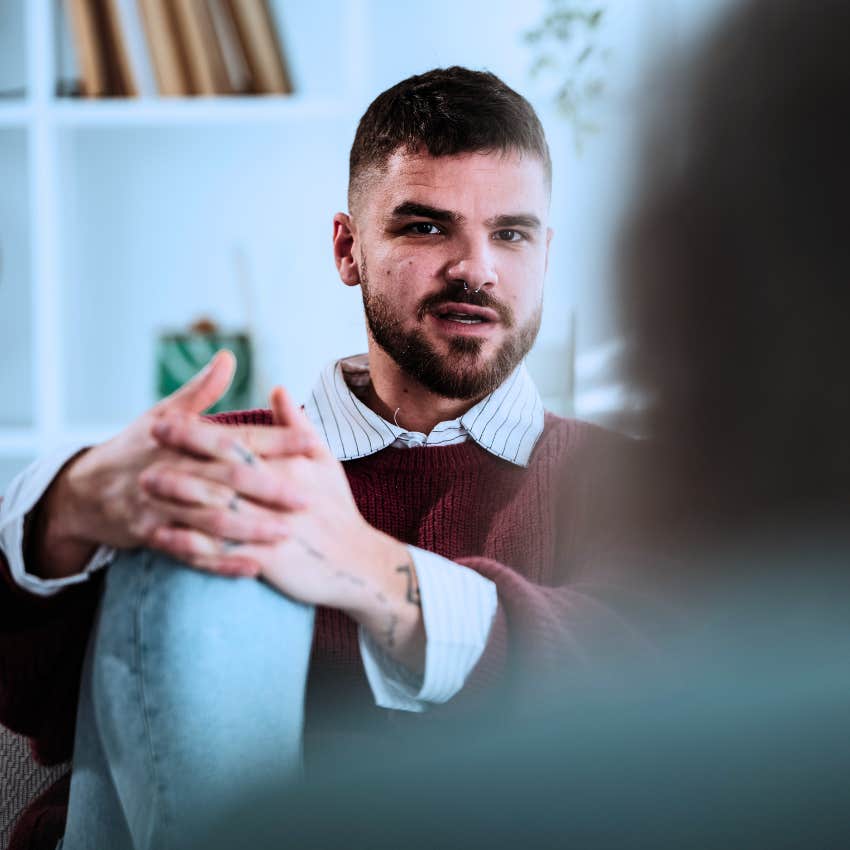
Many people who are easily overwhelmed by overstimulating environments struggle to be their authentic selves. They take longer to be present because their brains are too busy filtering through tons of stressors and information.
In busy environments or overstimulating public venues, they're often dealing with a flurry of emotions outside of the conversation itself.
Zayda Slabbekoorn is a senior editorial strategist with a bachelor's degree in social relations & policy and gender studies who focuses on psychology, relationships, self-help, and human interest stories.
