
Gen Z, Millennials, Gen X & Boomers Have Completely Different Ideas Of How To Take Good Care Of A Pet
 Akira AB November8 / Shutterstock
 Ask four people from four generations what they think it means to be a great pet owner, and they'll tell you completely different things. While younger people may plan a careful diet and a packed social calendar, older folks often think all their dog or cat truly needs is a full bowl of food and plenty of love.
People have likely kept animals as pets for tens of thousands of years, but the role of animals in our homes has changed dramatically over time, and just as so many issues are currently polarizing in our world, people of different ages don't always agree about what responsible pet ownership looks like.
Gen Z, millennials, Gen X, and boomers all have different ideas about how to care for a pet properly.
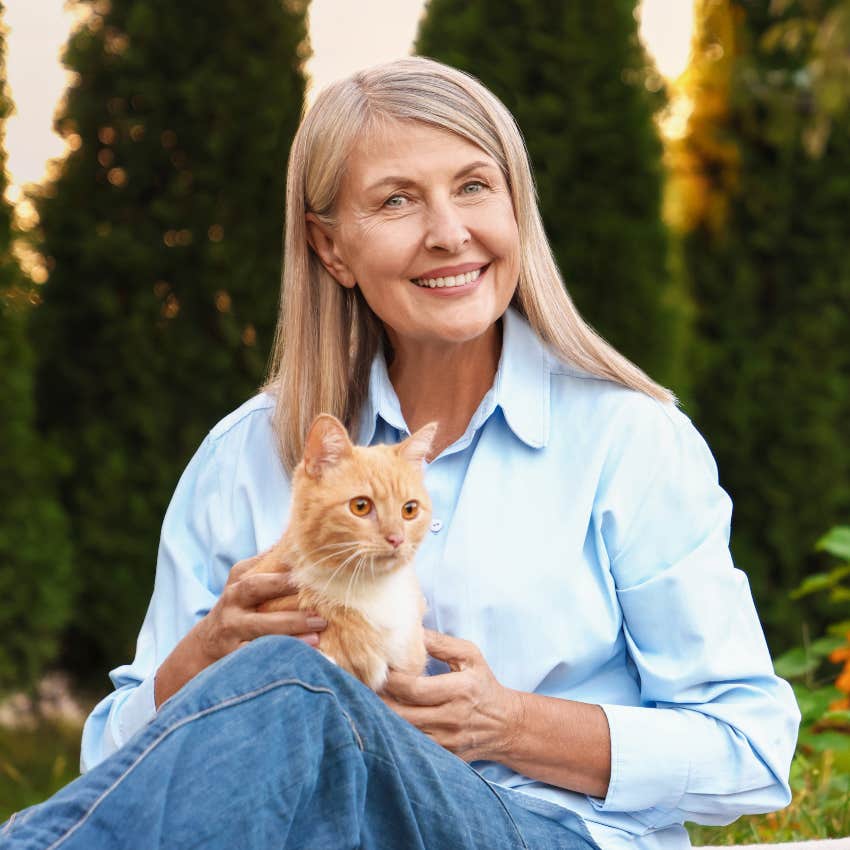
Baby boomers think taking good care of your pet is pretty basic.
Boomers see proper pet care as consistently providing for their basic needs and giving care to animals without necessarily making them the center of the household. They often have a practical, no-nonsense attitude towards pets that comes from growing up when animals were generally expected to fit into the family's routine rather than having things arranged around them.
 New Africa | Shutterstock
This doesn't mean this generation loves their pets any less. In fact, plenty are deeply attached to their dogs and cats and love to spoil them in their own way. They might show their affection by slipping a piece of food under the table or letting it curl up beside them on the couch.
In their minds, proper pet care can be pretty simple: keep the animal fed, comfortable, loved, and safe without overcomplicating things.
Gen X makes sure the important stuff gets done without going overboard for their pets.
Gen X lands somewhere between the old-school practicality of boomers and the more intensive pet-parenting of younger generations. They love their animals so much, while also believing they can handle a little independence. After all, many members of this generation grew up with pets that spent plenty of time outside, ate whatever their owners bought, and didn't have an endless supply of treats and toys.
 Truecreatives via Canva
They make sure their pets get walked and fed, and vet appointments get made, and then everyone moves on with their day. If the animal has to be left alone at home for a few hours, they don't see it as a reason to feel guilty.
Millennials helped usher in the era of the pet parent.
Millennials believe having a pet isn't just about an animal living in the house. Their pets are members of the family with a personality, preferences, emotional needs, and possibly their own Instagram account. They're more likely to research the best food, schedule regular grooming, and celebrate pet birthdays.
 AYO Production | Shutterstock
Some people in older generations find millennials' behavior towards pets a little excessive, but it doesn't bother them. Beneath all the treats and toys, they have a genuine desire to give their animals the happiest, healthiest lives possible. They see taking care of a pet as going beyond meeting their physical needs to include making them comfortable and emotionally secure too.
Gen Z tends to prioritize their pets above all else.
Like millennials, Gen Z is also more likely to think about the next level of care beyond food, shelter, and regular walks. They might worry about whether their dog is getting bored, anxious, overstimulated, or lonely. Mental stimulation and emotional well-being all feel like important parts of pet ownership. Animals deserve luxury, too!
 AYO Production | Shutterstock
For some Gen Zers, having pets is also a more appealing alternative to having children. Between an uncertain economy and a desire for more freedom and flexibility, a pet can feel like a more manageable version of parenthood. When their pet is their baby, they treat it accordingly.
Kayla Asbach is a writer with a bachelor's degree from the University of Central Florida. She covers relationships, psychology, self-help, pop culture, and human interest topics.
