
People Who Grew Up Without Much Money Usually Keep 8 Habits Long After They Can Afford To Stop
 Anastasija Vujic / Shutterstock
 Growing up without financial security is difficult. It can leave someone feeling that, in an instant, they could lose it all. A study found that this feeling is deeply rooted in their childhood. If they came of age in poverty, they are more likely to feel stressed about money. They take more risky chances when they feel they are in danger of losing it all.
To a person like this, the worst-case scenario is falling into the same trap they grew up in. They’ll do whatever it takes to prevent it, falling back into old habits like using items until they absolutely need to get rid of them and bargain-hunting even when they can afford to spend a little more. Saving money feels like the safest option.
People who grew up with little money usually hang onto these habits long after they can afford not to
1. Finding the best bargain
 Bijen Amatya from Pexels via Canva
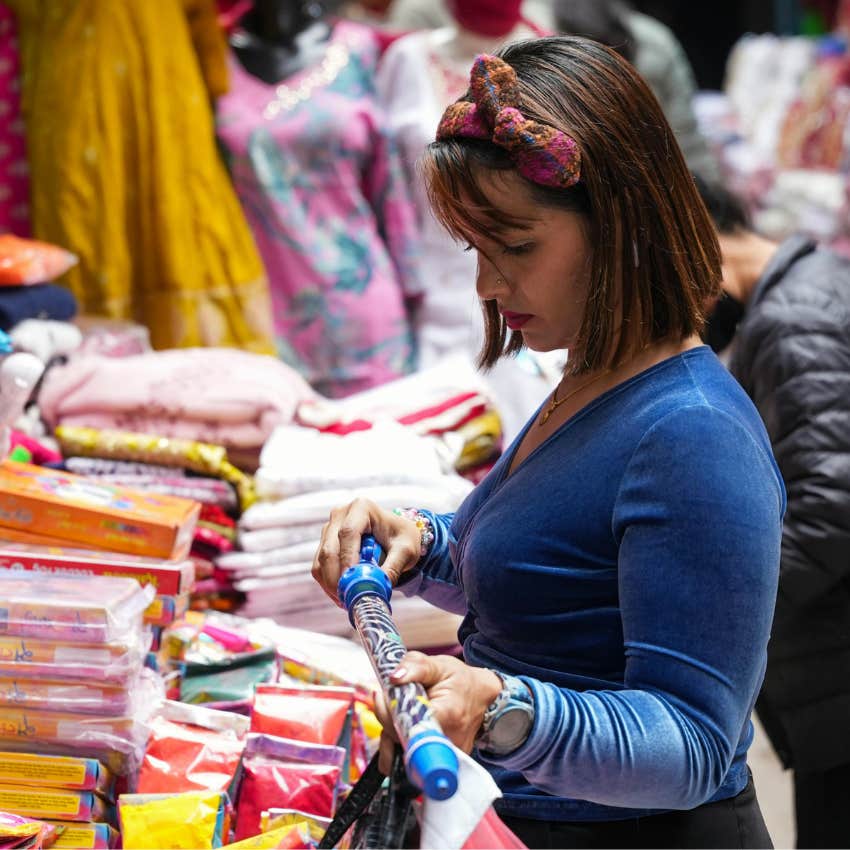
Obsessively searching for the cheapest item is something a person may not be able to shake if they grew up without money. Even someone without a financially insecure background can get caught up in looking for the next big deal. Whether they shop exclusively at thrift stores or wait until what they need goes on sale, this practice makes them feel like they are spending less money.
Sometimes they are getting the best deal, but not always. Psychologists discovered that stores often make people assume they are getting the best bargain when, in reality, they are encouraging them to spend more by making items appear cheap. A study found that people will buy things they don’t need just because they're on sale, benefiting the company's bottom line.
2. Feeling guilty when they spend money on themselves
Financial guilt is a real thing. By thinking they don’t deserve things for themselves, they are not enjoying the money they have earned. Even if they are in a position to spend freely, they might be held back by fear of potential consequences. They may look back at times when they did something for themselves and feel shame.
This can come from financial hardships they experienced as children. Often, families like this were unable to do things like eat out or go on family vacations. If this was foreign to them, it can be hard to move past their former trauma to embrace treating themselves to nice things.
3. Cooking at home instead of eating out
 YAKOBCHUK Olena from Getty Images via Canva
Those who grew up financially insecure can struggle with food choices long after they are out of that situation. A study from Texas Christian University found that people who grew up low-income may still view food as a source of anxiety.
Seeing food as scarce changes our perspective. Instead of spending money at restaurants or on expensive grocery staples. Instead, they’ll stick to their tried-and-true cheap items for fear of slipping into financial trouble if they spend more than they’re used to on food. They may choose to skip out on things like fresh produce because it was uncommon in their childhood homes and therefore seemed like a luxury.
4. Avoiding unnecessary purchases
For some people, money is more than just something to spend. It’s a sense of security they didn’t always know. This can make them fearful when money is withdrawn from their accounts. Life is filled with things we can’t 100% prepare for. They’d rather have money stashed away than spend randomly on things they don’t need.
Even if they have financial security, the fear that it could be taken away by a single medical bill or job loss keeps them from buying things they could go without. Spending has purpose in their lives; it isn’t something frivolous.
5. Using everything up to avoid waste
Zero waste has become a lifestyle trend. It’s been shown that people who prioritize using everything up can produce only a jar full of trash. This type of person could be more dedicated to helping the environment, not out of fear of financial insecurity, but rather because of the state of the planet.
While people who grew up poor may not live a low-waste lifestyle for the same reason, they may apply some of these beliefs to their routines. This could mean making sure they don’t leave any food to go bad in the refrigerator, or getting every last drop out of the shampoo bottle before they buy a new one. Watching their money go to waste can fill them with more financial anxiety.
6. Keeping their thermostat off
 tommaso79 from Getty Images Pro via Canva
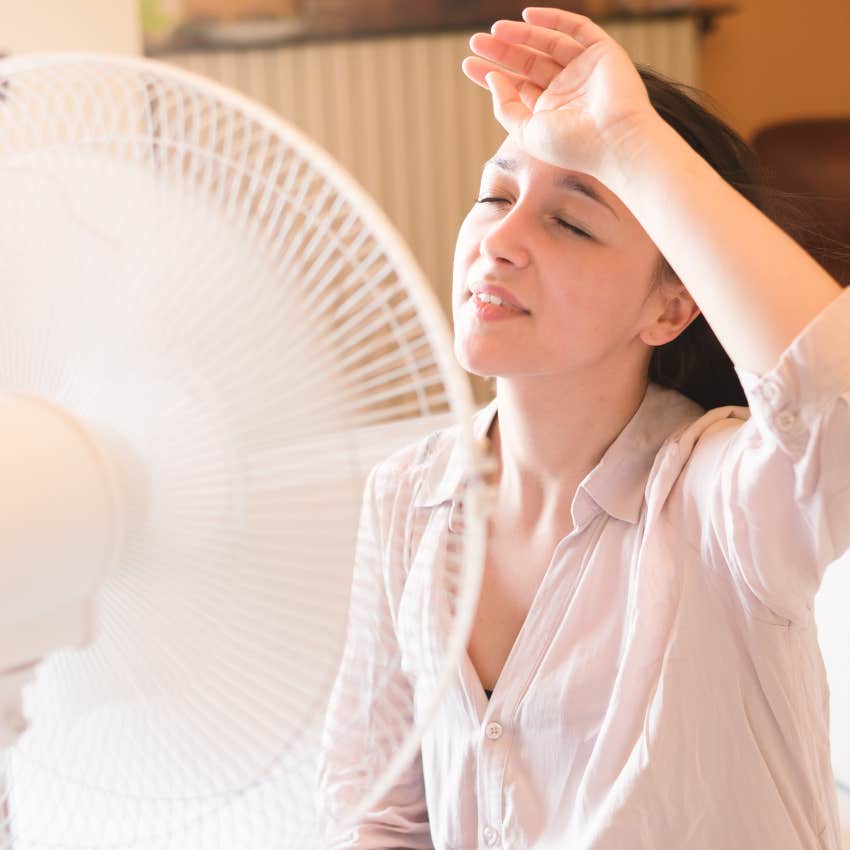
One thing that is important to me is being comfortable in my home. I’ll run the AC as much as I need to because sweating just isn’t an option. When I realized there are people out there who have the self-control to turn off their thermostats to save money, I was too stunned to speak. People just… let themselves be hot?
I grew up with parents who believed that keeping the AC off was one of the best things we could do to save money. We’d open windows, even on those nights that never cooled off. After enduring that, I have put comfort over finances. However, people who keep their thermostats off might be on to something. It depends on the space you live in.
It could be saving financially stressed-out people money, or it may not be the savings tip they think it is. How well the home is insulated, what type of AC they have, and the outdoor temperature and humidity determine how much it will cost to run in the long run.
7. Doing everything they can to avoid acquiring debt
Debt impacts our mental health more than we may realize. It can cause us to lose sleep, avoid spending money or paying bills, and even physical symptoms like aches and pains from the stress. If someone grew up in a financially unstable home, they may have watched their parents go into debt to keep the household running. This can cause them to fear debt and stay as far away from it as possible.
They have good reason. A survey found that 58% of people feel they will never get out of debt and 48% said the weight of their debt feels overwhelming and unmanageable. If someone grew up with this weight on their shoulders, it’s not surprising they’d want to avoid falling into debt.
8. Uneasiness when others extend generosity
By now we know there is a strong association between financial distress and mental health. When someone is struggling, you may assume they’d turn to anyone who could help them. The truth is, it’s difficult to ask for help. They often feel like a burden or are reminded of the days when their family was constantly seeking financial generosity from others. They want to support themselves rather than take money from others.
However, some see helping others as something sacred. While it might be hard to accept help, especially if it’s a reminder of childhood struggles, they wouldn’t offer it if they weren’t willing to help.
Haley Van Horn is a freelance writer with a master’s degree in Humanities, living in Los Angeles. Her focus includes entertainment and lifestyle stories.
