
People Who Grew Up Doing Any Of These 3 Hobbies Can Usually Handle Anything Life Throws At Them
 Krakenimages.com / Shutterstock
 Some childhood hobbies aren't just a remedy for boredom. According to experts, they can actually shape the kind of adult you become, and a few hobbies set people up to handle anything life throws at them.
Dr Ryan Stevenson, Co-founder & Director at Bright Heart Education, a special educational needs tutoring company, explained, “The systems in the brain that handle attention and self-control respond really well to the right types of movement, play, and even certain kinds of games." Long before life started throwing challenges and curveballs your way, these activities were teaching you focus, patience, and resilience that would eventually help you navigate the real world.
Here are 3 childhood hobbies of people who can usually handle anything life throws at them:
1. Martial arts or ball sports
 PeopleImages | Shutterstock
Active play is an undeniably important part of a child's development. Traditional martial arts such as karate, taekwondo, and judo combine complex movements and strict rules. These functions are associated with better attention, working memory, and inhibitory control in young people.
Open-skill ball sports like football, basketball, and tennis also emphasize performing in a dynamic, unpredictable environment. Children who play these sports often have better cognitive flexibility and adapt better to situations.
According to Dr. Stevenson, "You’re essentially giving the brain dozens of reps in ‘pause before you act’ every session, it’s repeated practice in stopping, choosing, and adapting under mild pressure."
2. Strategy games and puzzles
Those who did logic puzzles or played board games in their free time likely ended up head and shoulders above those who preferred mindless entertainment like watching TV. Games and puzzles that hold the most value for kids are those that require them remember rules or patterns, wait patiently for their turn, and make them think a couple moves ahead.
"From a brain perspective, a 30-minute family game of chess, Dobble, or a strategy board game may be far better focus practice than an extra half-hour of drilling times tables," said Dr. Stevenson. One recent study found that, among 5- and 6-year-olds, those who took chess classes had higher visuospatial working memory scores than their peers who didn't play chess, despite both groups engaging in similar amounts of extracurricular activities.
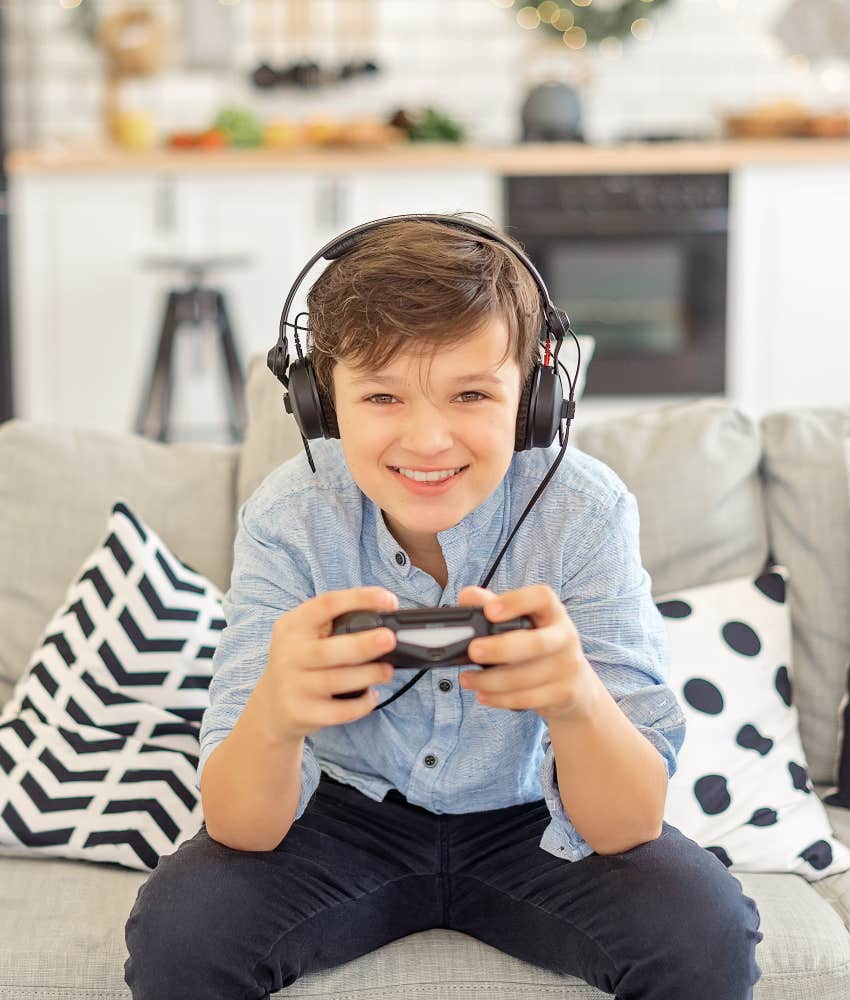
3. 'Serious' video games
 gostua | Shutterstock
Video games often get a negative reputation, but in reality, not all of them are bad. Some structured "serious games" or digital therapeutics can actually be extremely beneficial when used in clinical or educational settings.
A growing body of research supports the idea that digital games that have clear goals and are used in structured sessions over multiple weeks can help improve focus, hyper-activity impulsivity, social skills, and overall cognitive function. Additionally, using methods of impassioned learning, such as video games, encourages positive engagement from children.
"As an educator, I’m less interested in whether a child can sit still for an hour,” Dr Stevenson claimed. “I care more about whether their week gives their brain enough chances to move, plan, listen, wait, and try again. When those ingredients are there, better focus usually follows."
You might think hobbies are just meant for fun, but there's so much more to these enjoyable activities. That's why it's so important to prioritize your own hobbies, no matter what age you are. You should also definitely encourage kids to explore their interests and try different things; who knows how those moments of leisure will translate into resilience in adulthood.
Kayla Asbach is a writer currently working on her bachelor's degree at the University of Central Florida. She covers relationships, psychology, self-help, pop culture, and human interest topics.
