
Kids Who Are Taught These 3 Skills By Their Parents Usually Become Responsible Adults Who Can Handle Real Life
 Shkrabaanthony | Pexels
 Taking responsibility should be a skill everyone learns growing up. A few decades ago, the expression "helicopter parents" became part of our everyday language. When I was a primary school teacher, my colleagues and I used this expression to describe the parents who did everything — and I mean everything — for their children.
These children didn't learn how to become responsible adults who can handle real life, because their parents were always hovering and smoothing their way for them. The helicopter parents made sure the children had their schoolwork, their lunch, and anything they needed to support after-school activities. By chance, if something was left at home, one of their parents would rush back to school with the forgotten item. Consequently, children with helicopter parents didn't exercise their memory, nor did they learn how to be responsible for their belongings.
Young adults who grew up with helicopter parents who are now living on their own have to learn how to be responsible for themselves. If you're a young adult who grew up with overly helpful parents, you may be feeling overwhelmed by the many ways in which you are learning how to be responsible. It can be a steep learning curve as you must now create new skills to live successfully on your own.
Kids who are taught these 3 skills by their parents usually become responsible adults who can handle real life:
1. How to manage their time
It's up to you to figure out how to organize your morning routine. You decide what time you need to get up in the morning. No one is reminding you of your schedule and hovering about, prompting you to hurry up and get ready. You're responsible for managing your available time so that you do your household chores, your work, arrive at appointments early or on time, and have time to relax and unwind.
Research shows that when kids are taught time management strategies from an early age, they internalize them, and those skills stick with them for life. Students who developed effective time management skills tend to experience lower levels of stress and anxiety, plus they develop stronger self-control and better study habits.
2. How to organize their space
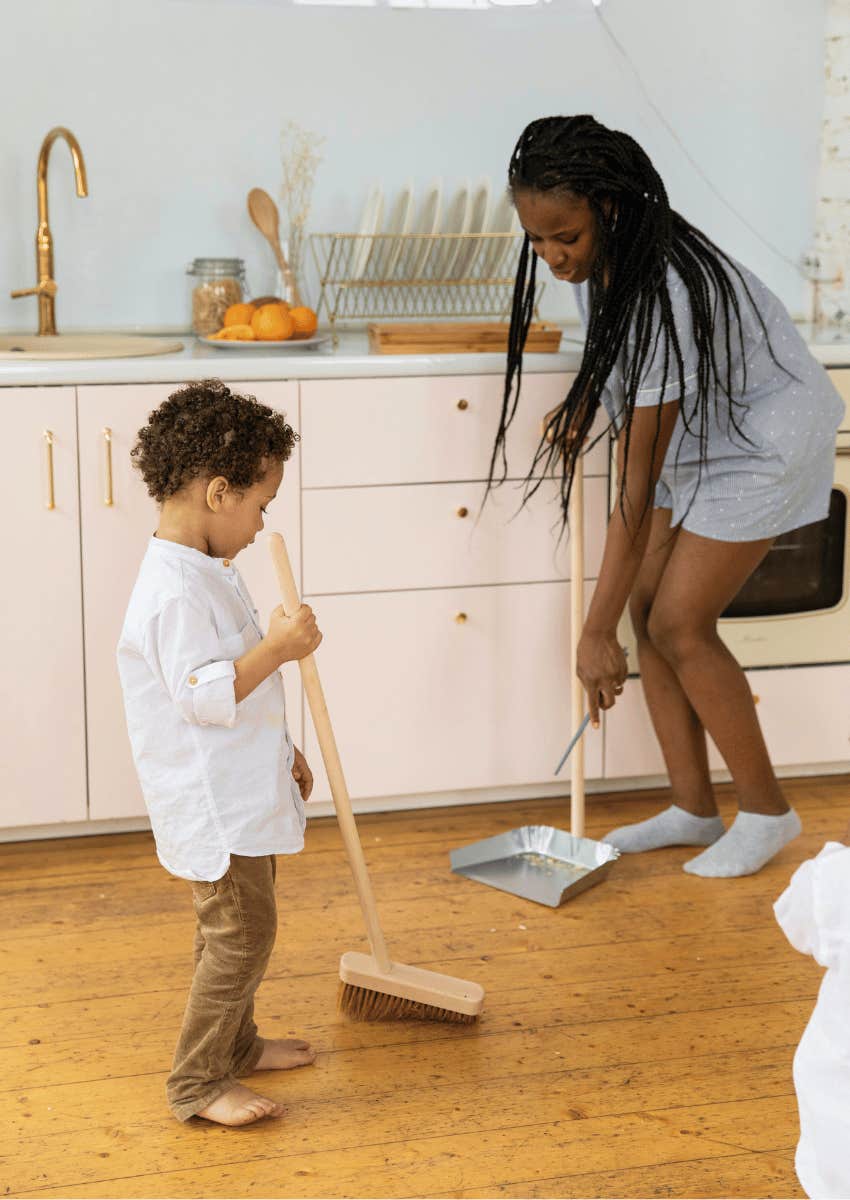 KATRIN BOLOVTSOVA / Pexels
You get to decide how you want your home to look and feel. Is it going to be clutter-free? Will you display artwork, your hobbies, or other collectibles? Where do you want to put your belongings so that the organization in your home is easy to maintain and works for you? Your home is just that — yours. Make sure it reflects you and that it is the place you want to be.
Studies found that students who lack organizational skills face more academic challenges and get lower grades compared to their more organized peers. The good news is that even modest improvements in organization can decrease symptoms of inattention and boost academic performance, so it's worth teaching kids early.
3. How to manage their money
Learning how to be responsible for managing money is another important skill. You start by creating a budget, factoring in your expenses, and recognizing the importance of saving for the future. Learning how to be responsible with your money, your space, and your time reduces stress and puts you squarely in control.
How do you teach your children about personal responsibility? If you're a parent and want to teach your children how to be responsible for themselves and their belongings, there is no time like the present.
Diane N. Quintana is a Certified Professional Organizer®, Certified Professional Organizer in Chronic Disorganization®, Master Trainer, and owner of DNQ Solutions, LLC, based in Atlanta, Georgia.
